 EN
EN  English
 Français
 中文简体
中文简体






Canned Tomato Paste Factory
We can provide more personalized favor and size.
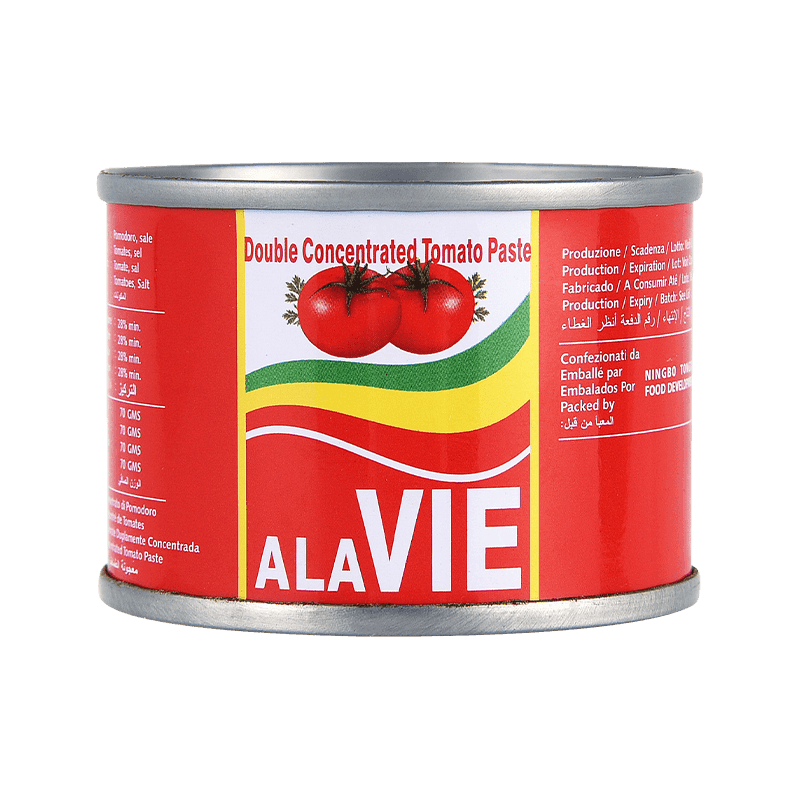
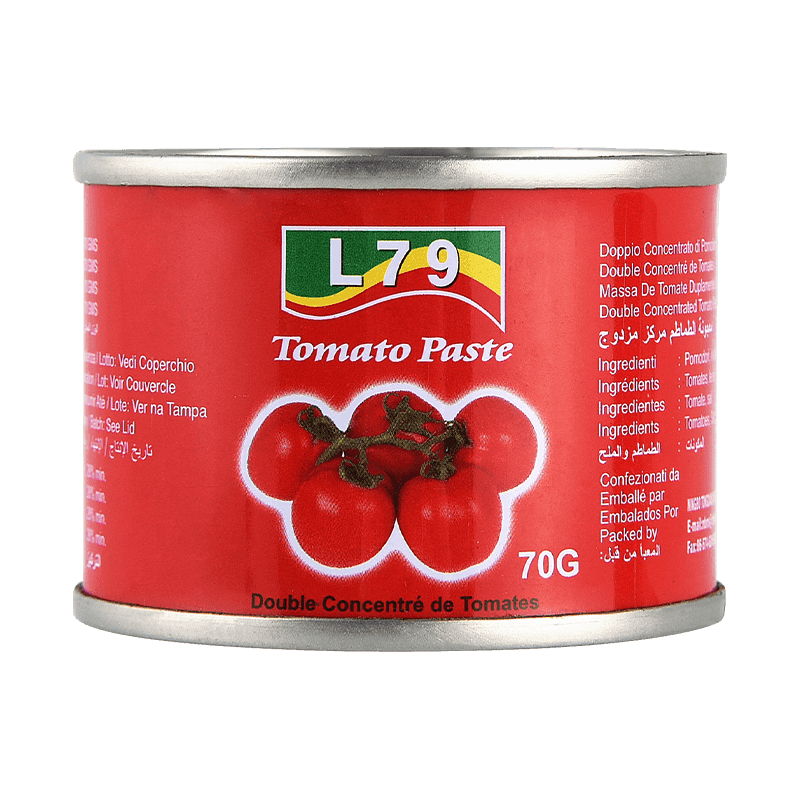
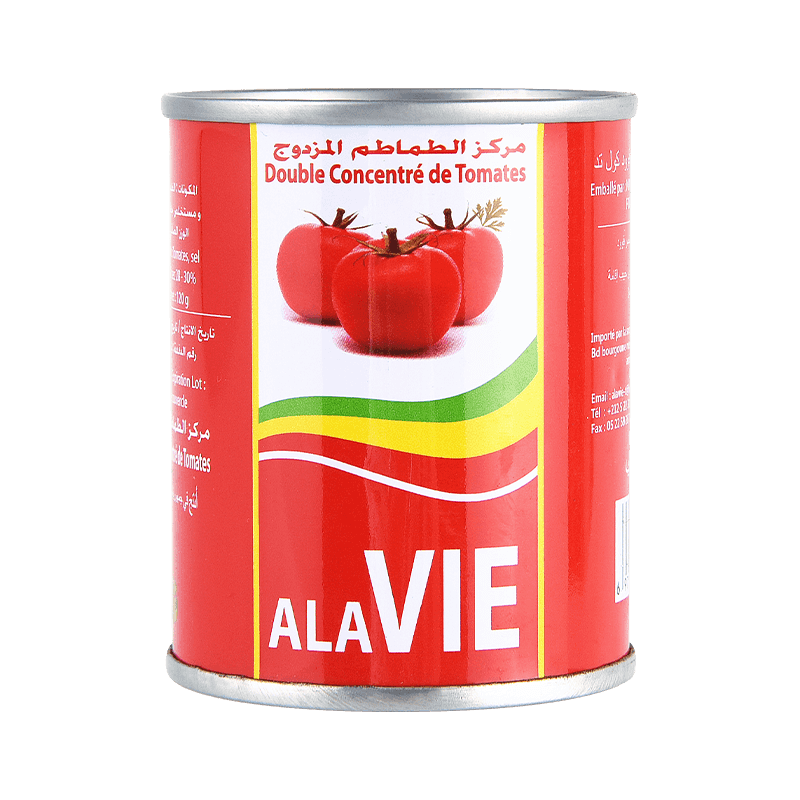
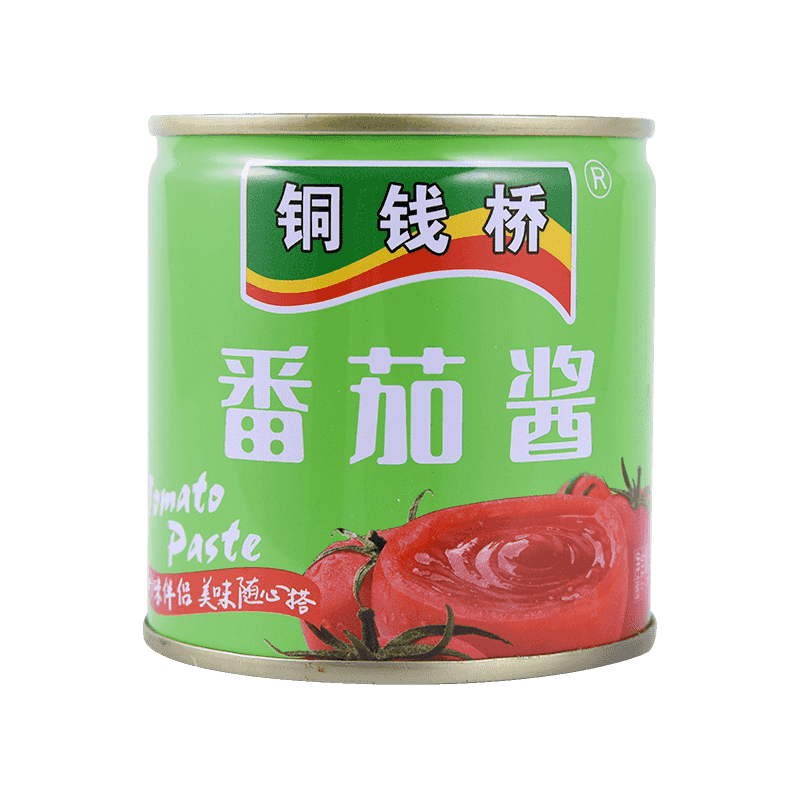
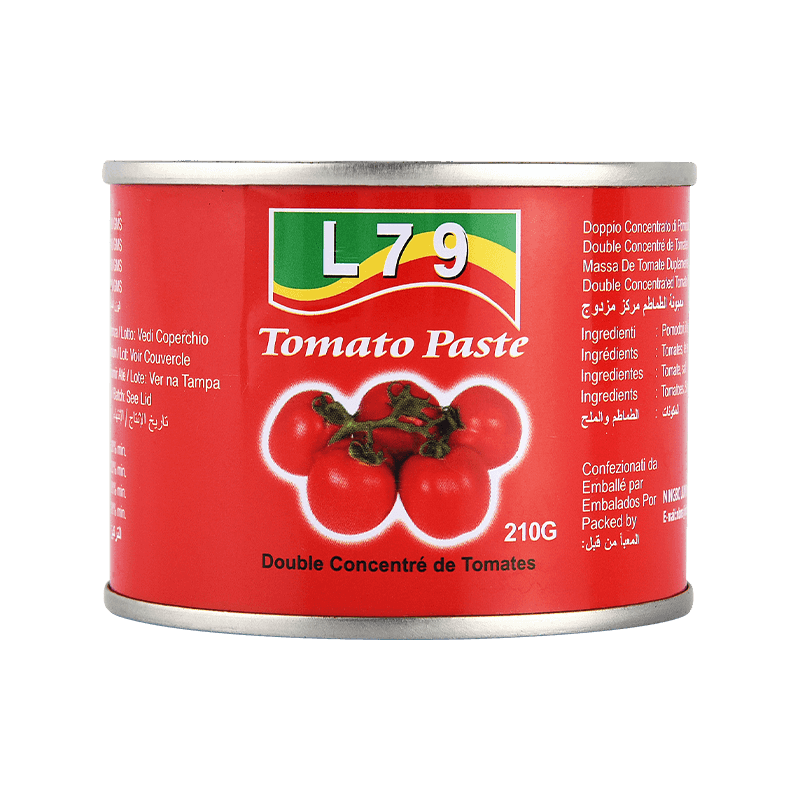
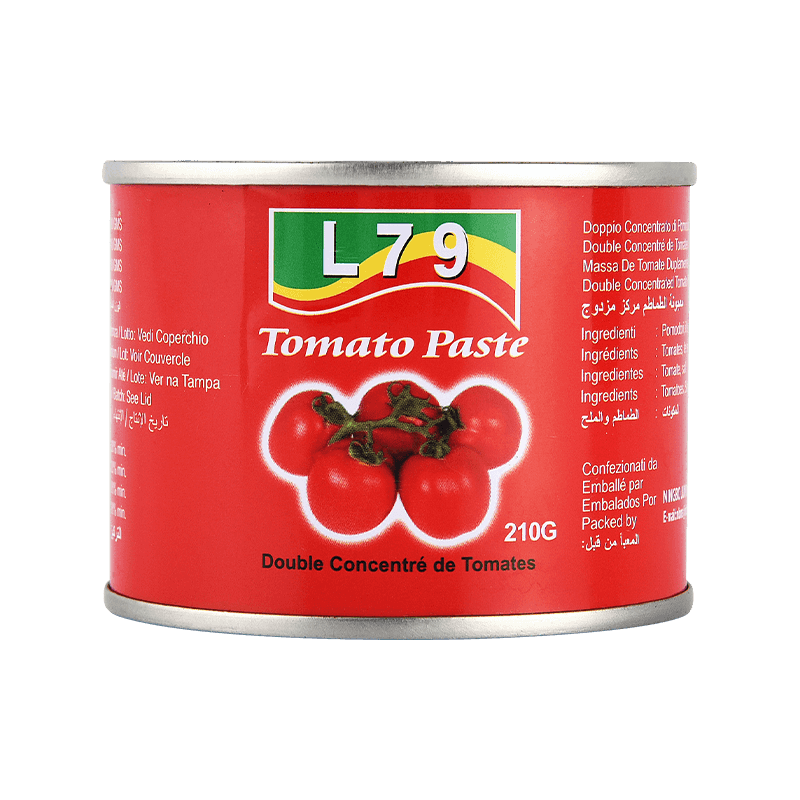
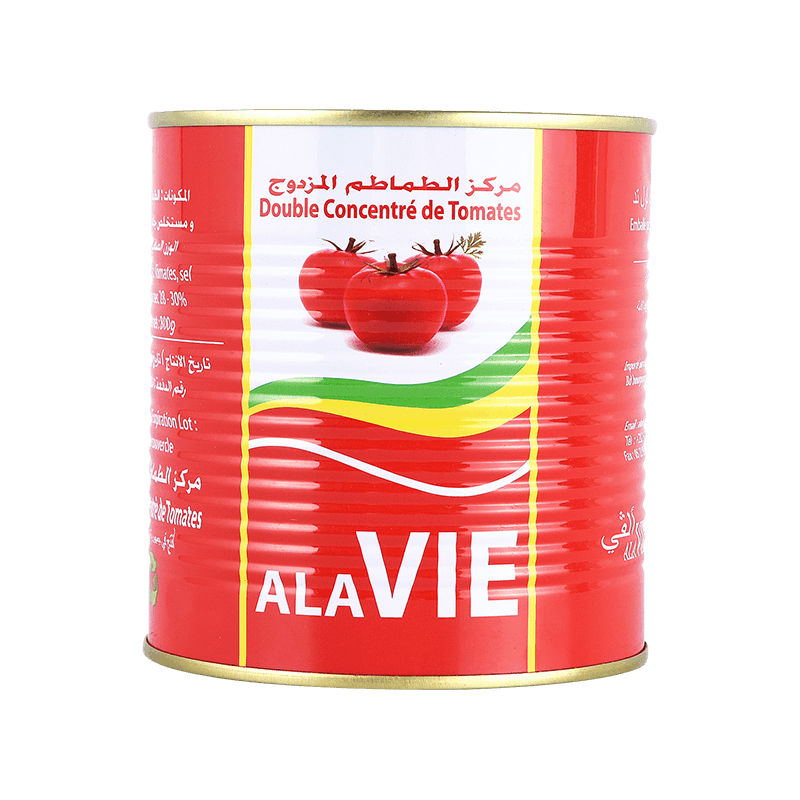
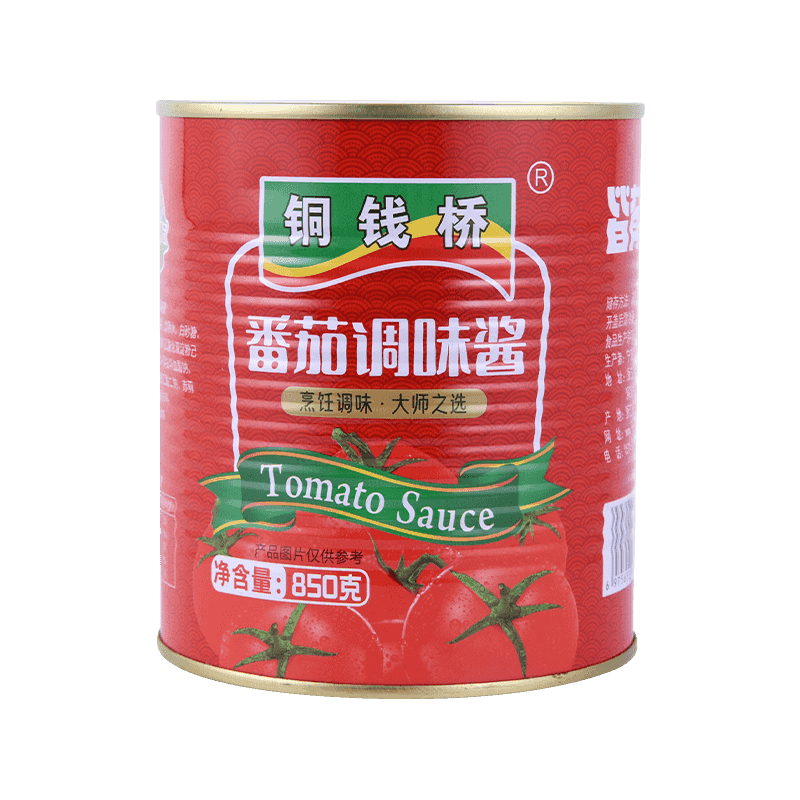
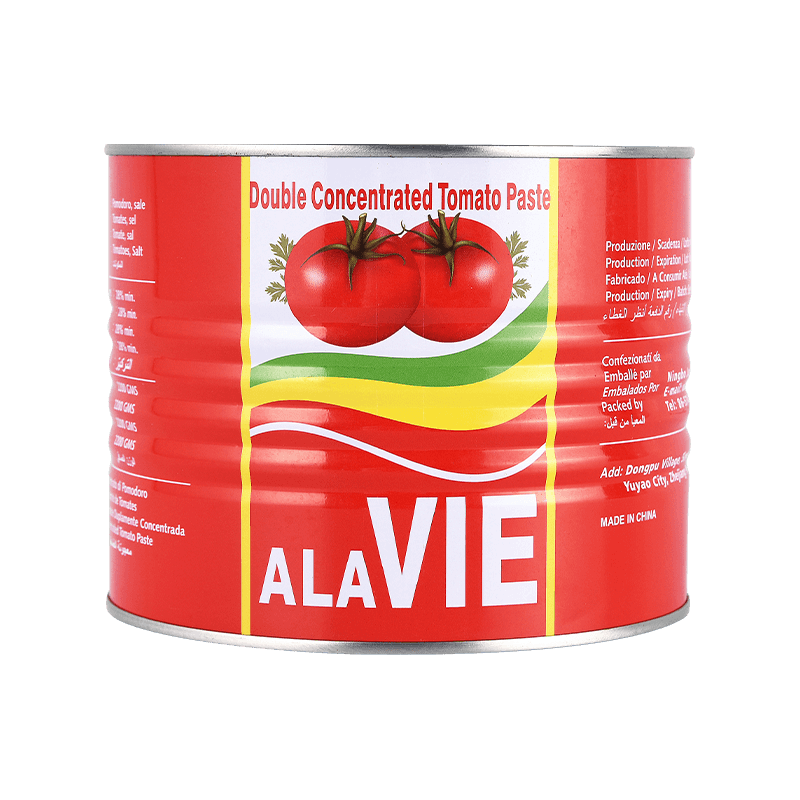
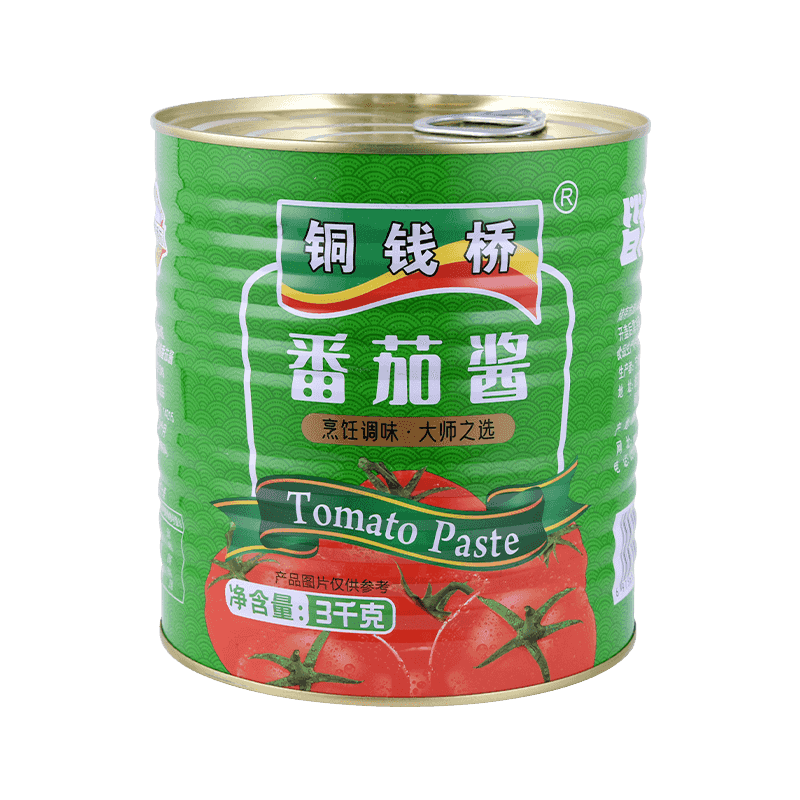
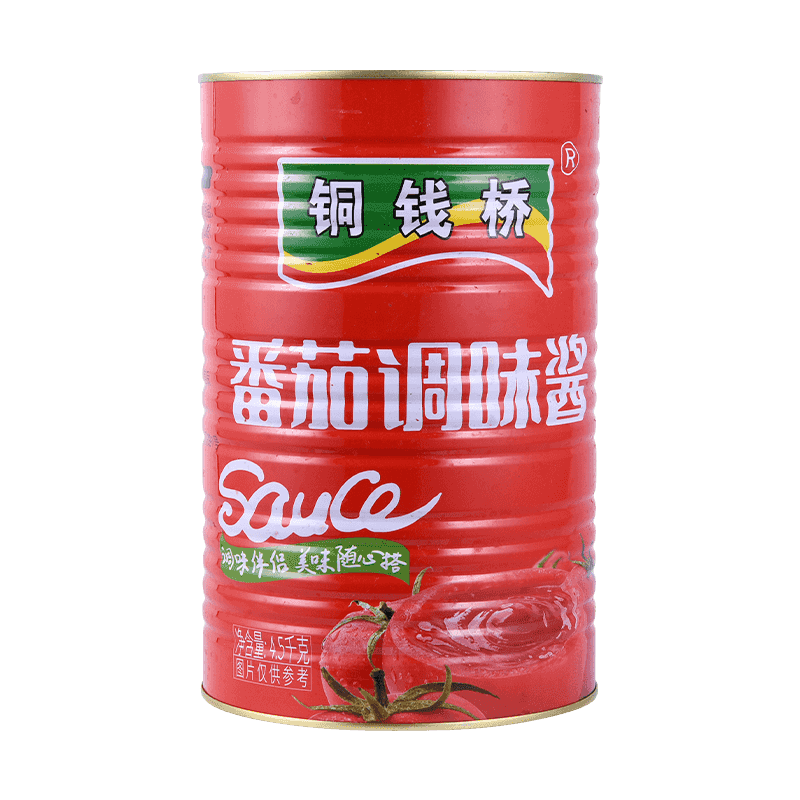
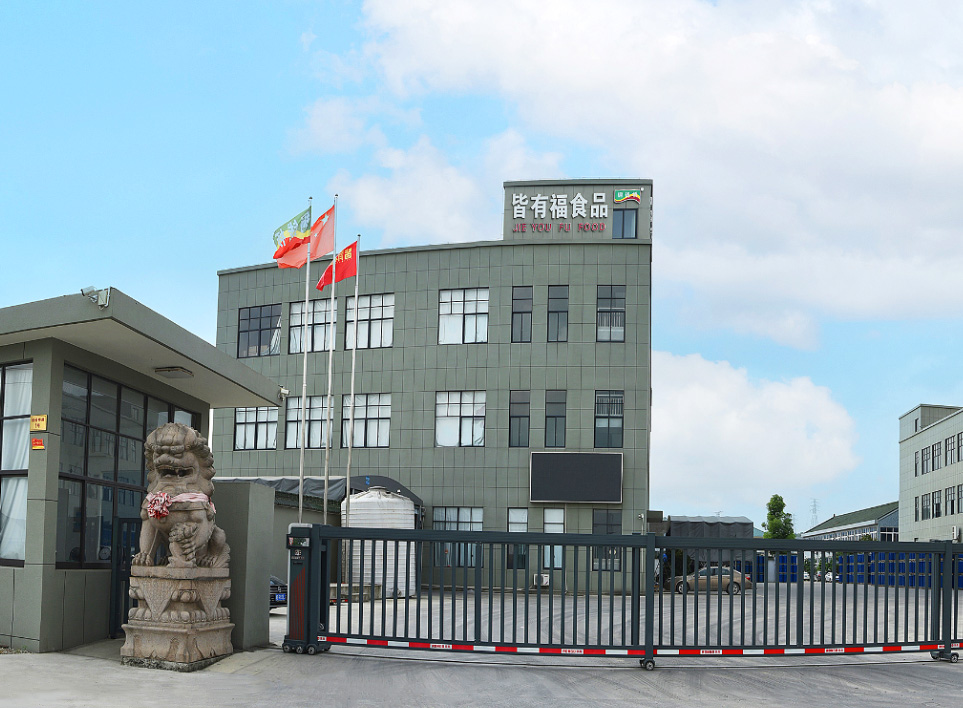
Ningbo Junyoufu Food Co., Ltd.
Ningbo Junyoufu Food Co., Ltd. (formerly known as Ningbo Tongqianqiao Food Development Co., Ltd.) was established in 2006, is a professional OEM hard open canned tomato paste manufacturer and ODM easy canned tomato sauce factory. It is a food manufacturing and processing enterprise professionally engaged in the deep processing of tomato products and the manufacturing of fruit and vegetable beverages, integrating tomato cultivation, production, processing, trade, and scientific research and development with strong technical force and advanced production equipment.
VIEW MORE
Products
Related Products
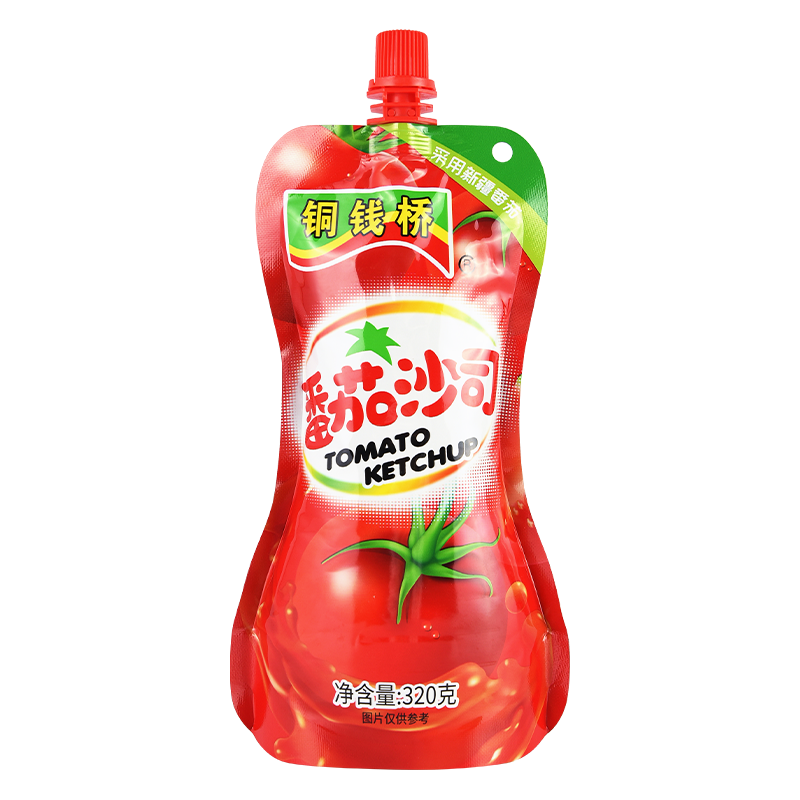
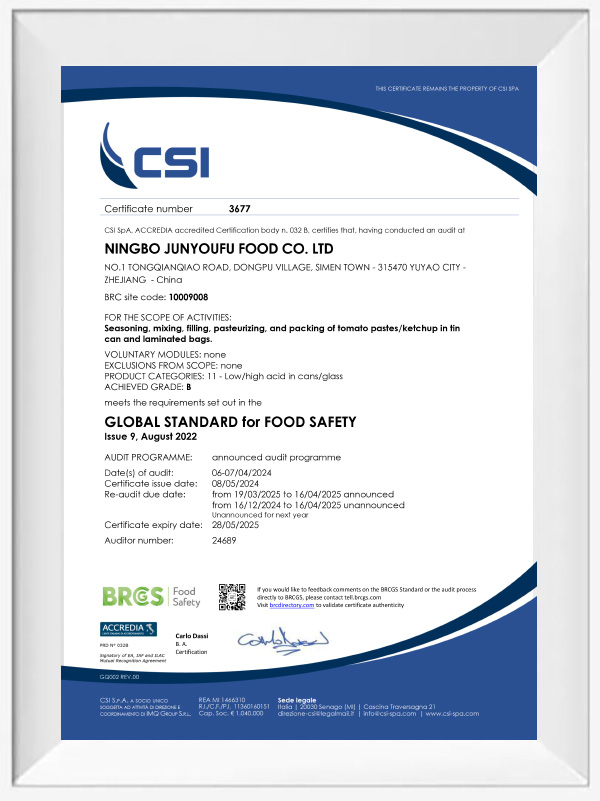
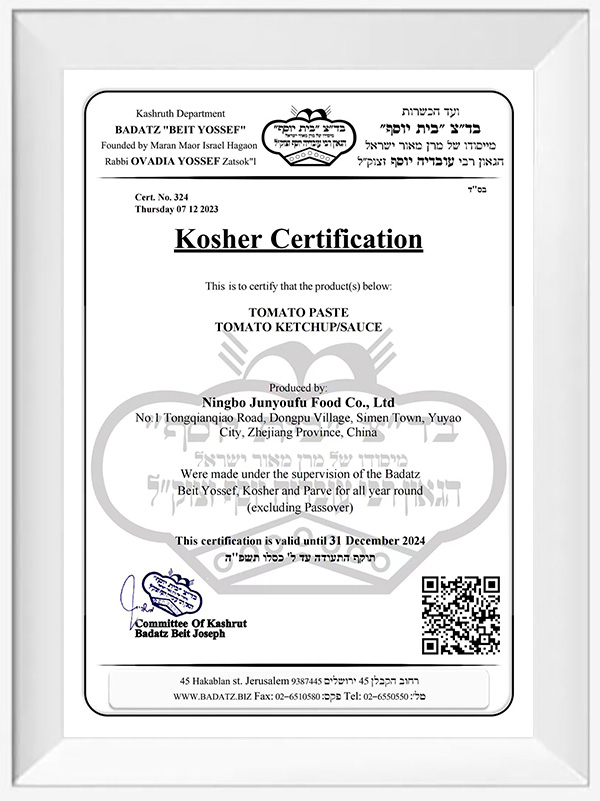
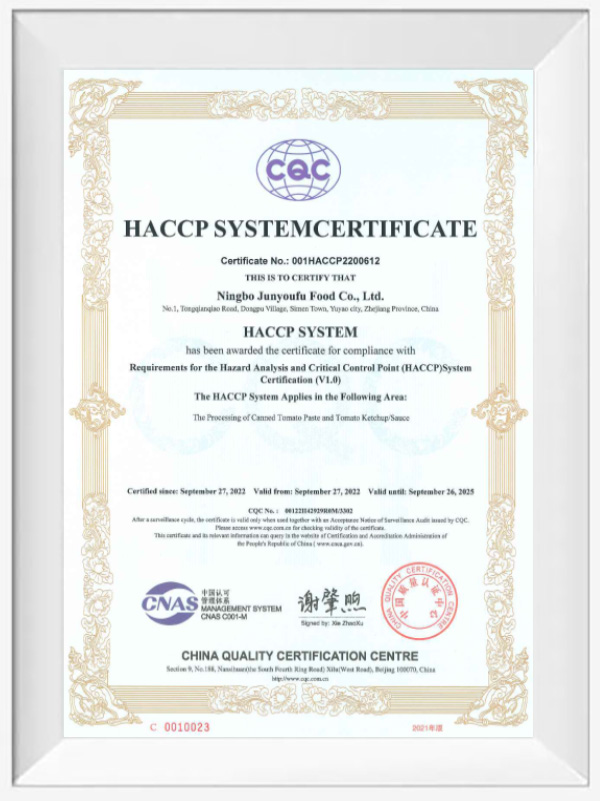
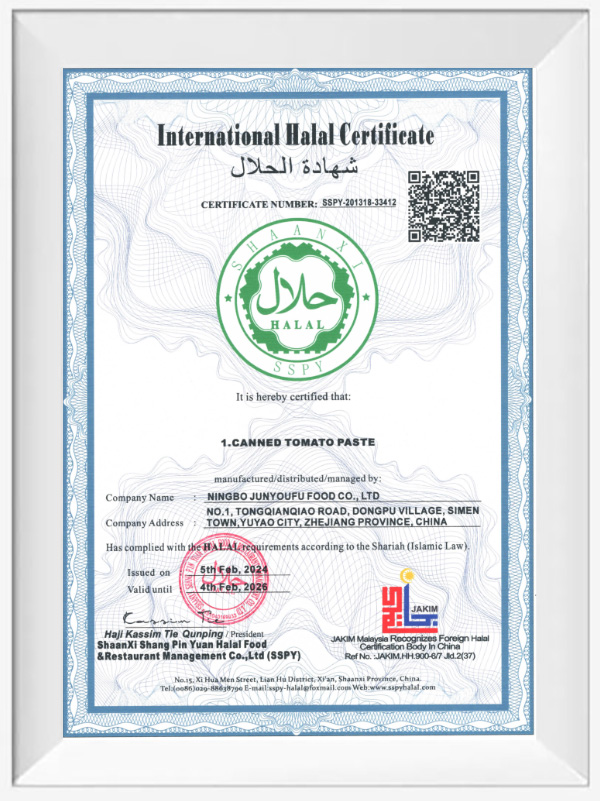
Certificate
Certificate of Honor
News
News & Update
-
Oct 19. 2026
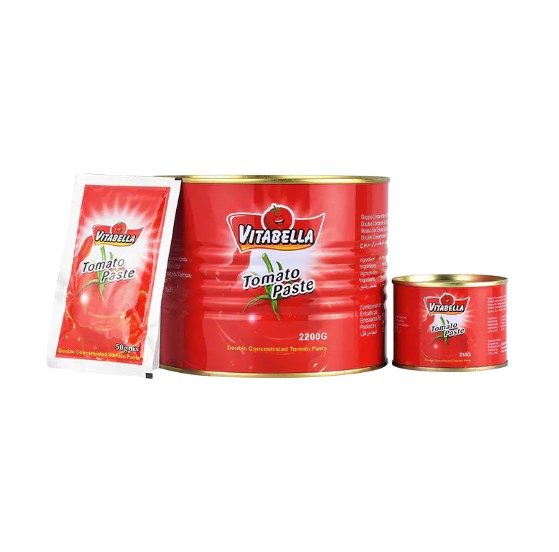
No Sugar Tomato Paste: How to Identify It, Cook With It, and Buy It RightTwo cans of tomato paste sit side by side, same size, same price. One lists "tomatoes"; the other lists "tomatoes, glucose-fructose syrup, salt". No sugar tomato paste is the first can: a paste made from tomatoes alone...
Read More -
Oct 12. 2026
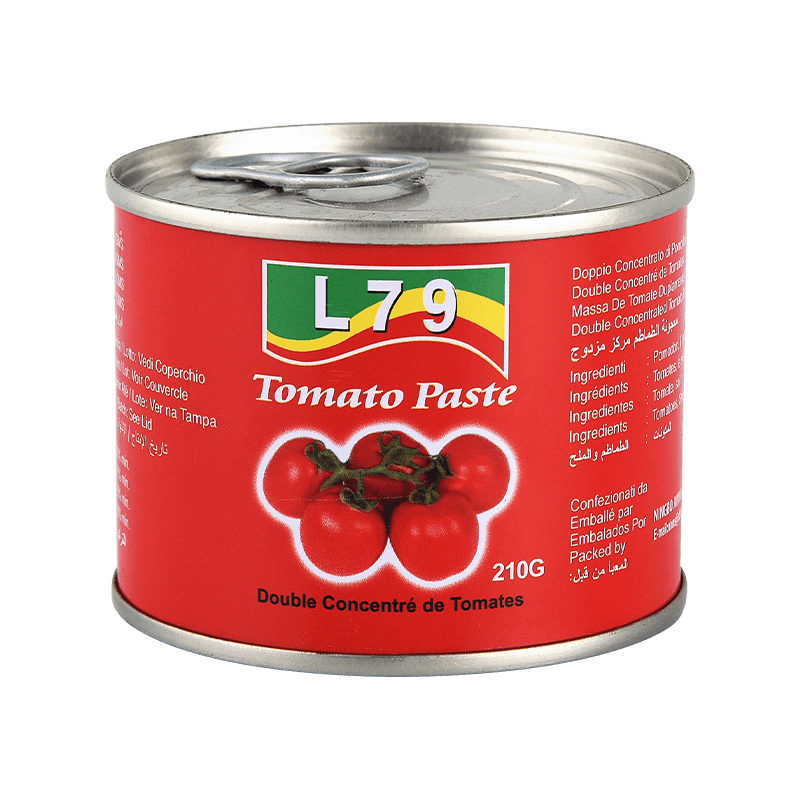
Sloppy Joe Recipe With Tomato Paste: Exact Ratios, Fixes, and Buying TipsFor a sloppy joe recipe with tomato paste, the ratio that works is 1 tablespoon of double concentrated tomato paste per 450 g (1 lb) of ground beef, loosened with 120 ml (1/2 cup) of water or stock and simmered for 8 t...
Read More -
Oct 10. 2026
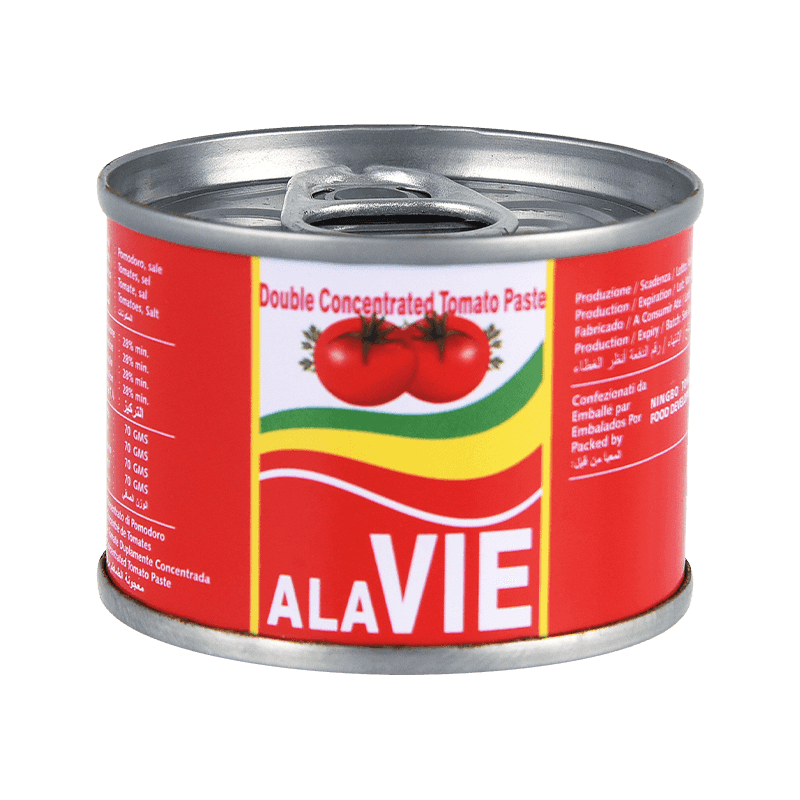
Can You Freeze Tomato Paste After Opening? Safe Storage Times and Easy MethodsYes, you can freeze tomato paste after opening, and it is the most reliable way to keep a partly used can, tube, or pouch from going to waste. It needs no cooking, no added oil, and no special equipment: spoon it into ...
Read More
knowledge
Industry knowledge
Tomatoes are an indispensable core raw material for Canned Tomato Sauce. The planting process is not only related to the yield, but also directly determines the final quality and taste of the ketchup. Starting from seed selection, it is necessary to carefully select tomato varieties that are highly adaptable, disease-resistant, plump and rich in natural flavor. This is the first step in laying the foundation for high-quality ketchup. Next, land preparation is equally critical, including deep plowing, reasonable crop rotation and application of organic fertilizers to provide a fertile and healthy soil environment for tomato growth.
Irrigation and fertilization are important links in daily management and need to be scientifically arranged according to the needs of the tomato growth cycle. Timely and appropriate irrigation can not only ensure that the plants are well hydrated, but also promote fruit development; while precise fertilization can balance soil nutrients and enhance the nutritional value and flavor of tomatoes. In terms of pest and disease control, a comprehensive prevention and control strategy should be adopted, such as a combination of biological control, physical isolation and chemical control, to minimize the use of chemical pesticides to protect the environment and consumer health.
The picking process is equally important. It should be done when the tomatoes are fully ripe and bright in color to avoid picking too early or too late to affect the quality of tomatoes. Picked tomatoes should be pre-cooled immediately to maintain their freshness and extend their shelf life. When producing Canned Tomato Sauce, in addition to fresh tomatoes, natural condiments such as sugar, salt, vinegar, and spices may be added to adjust the sweetness, acidity, and flavor of the ketchup to meet the taste preferences of different consumers. The amount of these additives used must be strictly controlled to ensure compliance with national food safety standards while maintaining the natural purity of the ketchup.
In terms of packaging, ketchup cans are made of special metal materials, such as tinplate or aluminum alloy. These materials not only have good sealing properties and can effectively prevent air and microbial intrusion, but can also withstand a certain amount of pressure, making them convenient for long-distance transportation and long-term storage. The label and instructions on each can of ketchup play the role of information transmission, clearly marking the product name, ingredient list, production date, shelf life, consumption recommendations, and manufacturer information, so that consumers can eat with confidence.
During the processing, tomatoes need to go through a series of pre-treatment steps such as washing, peeling, seeding, and crushing to remove impurities and facilitate subsequent boiling. During boiling, the heat and time are precisely controlled, and pre-mixed seasonings are added to make the tomato sauce reach the ideal taste and color. Before filling, the tomato sauce must also undergo strict quality inspection, including sensory evaluation (such as color and taste), physical and chemical testing (such as pH value, sugar content, salt content) and microbiological testing to ensure that each batch of products meets the established quality standards.
Be the First to Know
For exclusive discounts and the latest offers, please enter your address and information below.

Products
Contact Information
-
 No.1 Tongqianqiao Road, Dongpu Village, Simen Town, Yuyao, Zhejiang Province
 -
 nbms@nbtomato.com
 -
 +86 574 62496080,
62496078
+86 13736048746 Daphne Zhou
+86 574 62496080,
62496078
+86 13736048746 Daphne Zhou
Copyright © Ningbo Junyoufu Food Co., Ltd. All Rights Reserved. China hard open canned tomato paste manufacturer Custom easy canned tomato sauce factory
浙ICP备2024135081号