
 EN
EN  English
 Français
 中文简体
中文简体


Yes, you can freeze tomato paste after opening, and it is the most reliable way to keep a partly used can, tube, or pouch from going to waste. It needs no cooking, no added oil, and no special equipment: spoon it into an ice cube tray, freeze it, then tip the cubes into a sealed bag. Quality stays good for roughly three to four months, and the paste remains safe for longer than that.
One condition decides whether the result is worth eating. Freeze the paste while it is still fresh. After a container is opened, tomato paste is perishable; keep it covered in the refrigerator and finish it within five to seven days. If you already know you will not get through it, portion it on day one or two, not on day seven when a spot of mold has appeared.
Content
- Why Freezing Works for Opened Tomato Paste
- How Long Opened Tomato Paste Lasts: Fridge vs Freezer
- Four Ways to Freeze Leftover Tomato Paste
- How to Thaw and Use Frozen Tomato Paste
- What Freezing Changes, and What It Does Not
- Mistakes That Waste Frozen Tomato Paste
- Pack Sizes That Cut Leftovers Before They Start
- Frequently Asked Questions
Why Freezing Works for Opened Tomato Paste
Freezing does not sterilize tomato paste, but it stops the clock. At 0°F (−18°C) or below, the molds, yeasts, and bacteria that spoil food go dormant, so the paste cannot degrade further while it stays solidly frozen.
Tomato paste is also a hostile environment for pathogens. Its pH usually falls between 3.5 and 4.6, and its high solids content leaves very little free water for microbes to work with. An opened jar therefore spoils mainly through surface mold or slow oxidation, not through anything more dangerous. Freezing removes the mold risk and slows oxidation sharply.
What freezing cannot do is repair paste that has already spoiled. Green, white, or black fuzz on the surface, a fermented smell, or visible bubbles mean the product is finished. Freezing it only preserves the problem.
How Long Opened Tomato Paste Lasts: Fridge vs Freezer
Once a can or jar is opened, tomato paste keeps about five to seven days in the refrigerator and three to four months in the freezer with good quality. Unopened stock follows a completely different timetable, which is why the two are often confused.
| Storage method | Temperature | Practical window | What changes over time |
|---|---|---|---|
| Refrigerator, covered | 40°F / 4°C or below | 5 to 7 days | Surface mold, souring, gradual browning |
| Freezer, in small portions | 0°F / −18°C | 3 to 4 months for best quality; up to 6 months safe | Flavor fades, color deepens, water separates |
| Room temperature, opened | Ambient | Not recommended | Mold appears within a few days |
| Refrozen after thawing | Not applicable | Not recommended | Texture collapses; spoilage risk rises |
Two practical notes. First, the freezer slows quality loss but does not stop it: paste frozen for six months is safe yet noticeably flatter than paste frozen for six weeks. Second, keep the working portion sealed between uses, because air is what darkens the surface and dries the edges. A resealable format such as a capped sachet makes that squeeze-and-close routine easier than prying open a can several times a day.
If you want the same question answered specifically for concentrated paste, this guide to how long double concentrated tomato paste lasts after opening walks through the same fridge-and-freezer timeline in more detail.
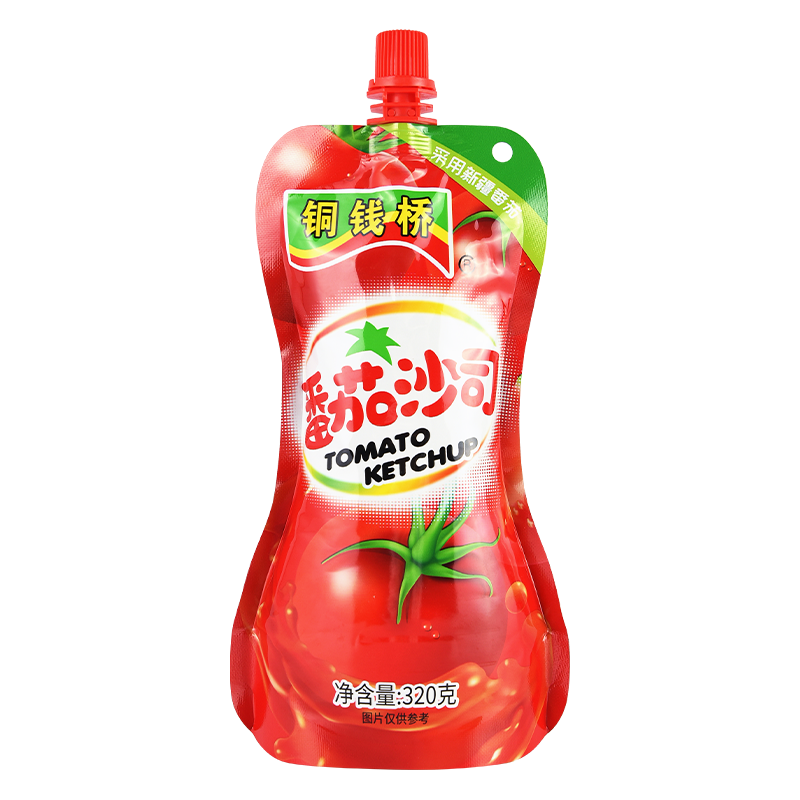
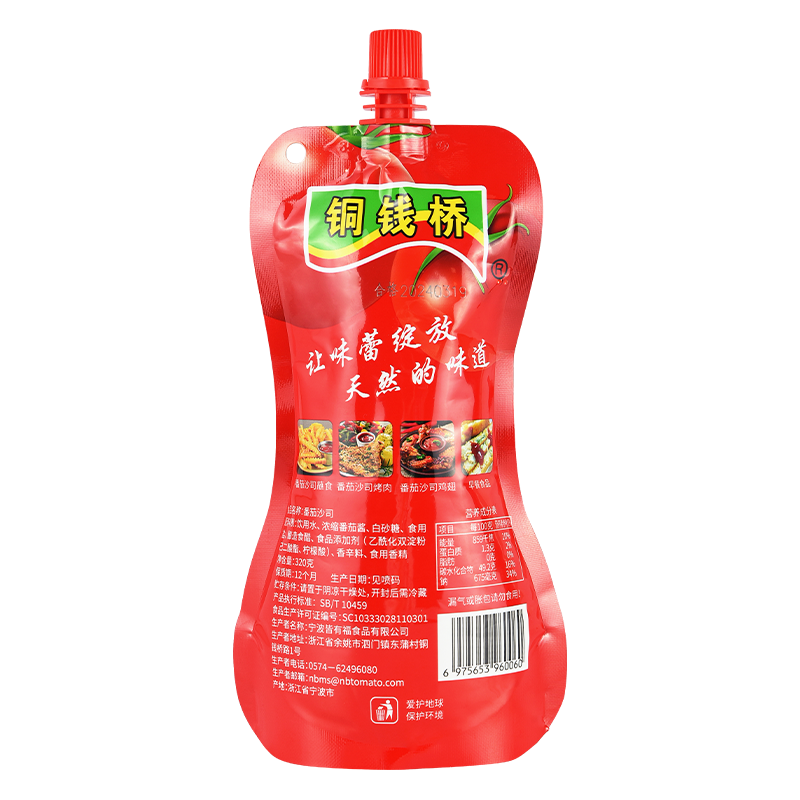 320g Sachet Tomato Paste with CapA small zero-fat, no-added-sugar tomato paste sachet with cap, suited to single-use portions and reducing waste when storing opened paste.View Product →
Four Ways to Freeze Leftover Tomato Paste
All four portioning methods work well; the choice comes down to how you will use the paste later. Cubes suit soups and stews, flat bags suit single spoonfuls, and rolled logs suit slicing off discs.
- Ice cube trays. The most flexible option. A standard cube holds about 1 tablespoon (15 ml), so a recipe calling for two tablespoons is easy to measure out.
- Baking paper dollops. Drop rounded teaspoons onto a lined tray, freeze until firm, then bag them. Ideal when you only ever need very small amounts.
- Plastic wrap log. Roll the paste into a cylinder, twist it every inch, freeze it, and slice off what you need. This mirrors how tube-style paste is used.
- Flat freezer bags. Spread the paste thinly, press out the air, and score the bag into squares with a chopstick. It thaws in minutes.
A standard 400 g can holds roughly 1½ cups of paste, far more than most single recipes call for, so portioning it the same day you open it is usually the difference between using it and losing it.
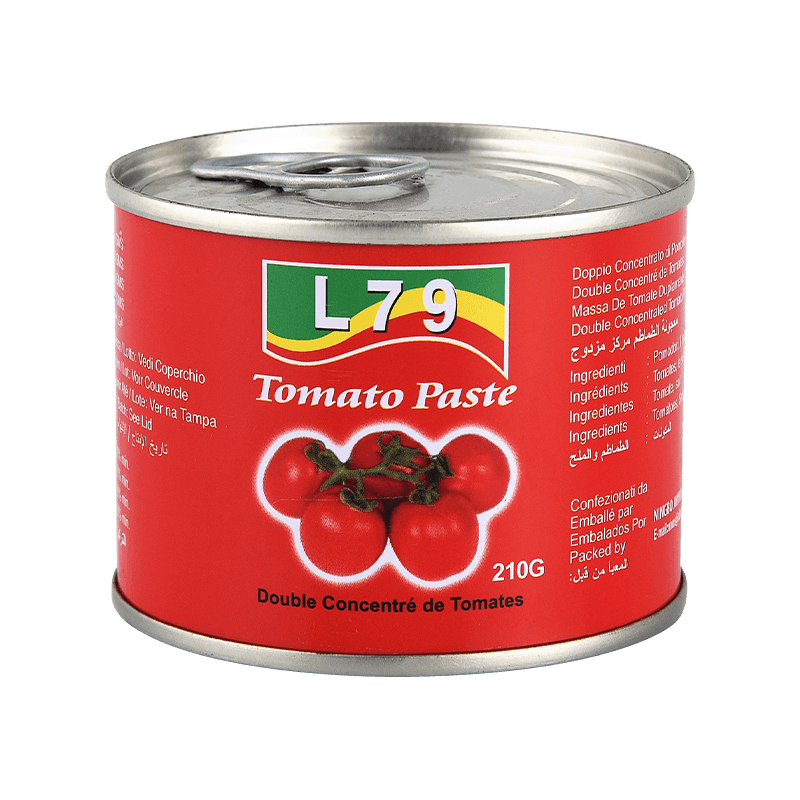 400g Double Concentrated Canned Tomato PasteA 400g double concentrated canned tomato paste with easy-open or hard-open lids, useful for portioning and freezing leftovers from a standard can.View Product →
How to Thaw and Use Frozen Tomato Paste
Frozen tomato paste does not need to be fully thawed before it goes into the pan. For soups, stews, curries, and pan sauces, drop the cubes straight into the hot liquid and stir; they melt in a minute or two.
- For hot dishes, add frozen portions directly and stir until dissolved.
- For cold uses such as sandwich spreads or dressings, thaw overnight in the refrigerator.
- Stir separated water back in, or pour it off if you want a thicker result.
- Use thawed paste within three to four days and do not refreeze it.
Never leave paste on the counter for hours to soften. That is exactly the temperature range where spoilage organisms multiply, and a shortcut here undoes the reason you froze the paste in the first place.
What Freezing Changes, and What It Does Not
Freezing preserves the flavor, acidity, and nutrition of tomato paste well; what it changes is texture and appearance. Safety is not affected as long as the paste was fresh and refrigerated before freezing.
- Flavor: close to fresh, though a little flatter after four months.
- Color: slightly darker and less bright red, mostly from oxidation rather than cold.
- Texture: some water may separate as it thaws; stir it back in or drain it off.
- Nutrition: lycopene and most vitamins survive freezing well, because nutrient loss is driven mainly by heat and long storage rather than by cold.
If you want the detail on which compounds hold up and which fade, this explanation of whether freezing affects the nutritional value of tomato paste covers it step by step.
Thicker paste generally thaws better than thin sauce, because there is less free water available to form large ice crystals. Double concentrated paste at roughly 28 to 30 °Brix tends to come back smoother than a single-concentration product.
Mistakes That Waste Frozen Tomato Paste
Almost every freezer failure comes down to portion size and trapped air, not to the paste itself. Fix those two things and leftovers stop being a problem.
- Freezing one large block that takes an hour to thaw and forces you to use more than the recipe needs.
- Leaving air in the bag, which causes freezer burn and a dry, chalky surface.
- Skipping the label, so three months later you cannot tell tomato paste from tomato purée.
- Freezing paste that already sat too long in the fridge, which simply locks in the spoilage.
- Thawing on the counter instead of in the refrigerator or directly in the pan.
- Refreezing a portion that has already thawed, which damages texture for no safety benefit.
Pack Sizes That Cut Leftovers Before They Start
The simplest way to avoid leftover tomato paste is to buy a size that does not create leftovers. Matching the can or pouch to how often you actually cook solves the problem at the shelf instead of in the freezer.
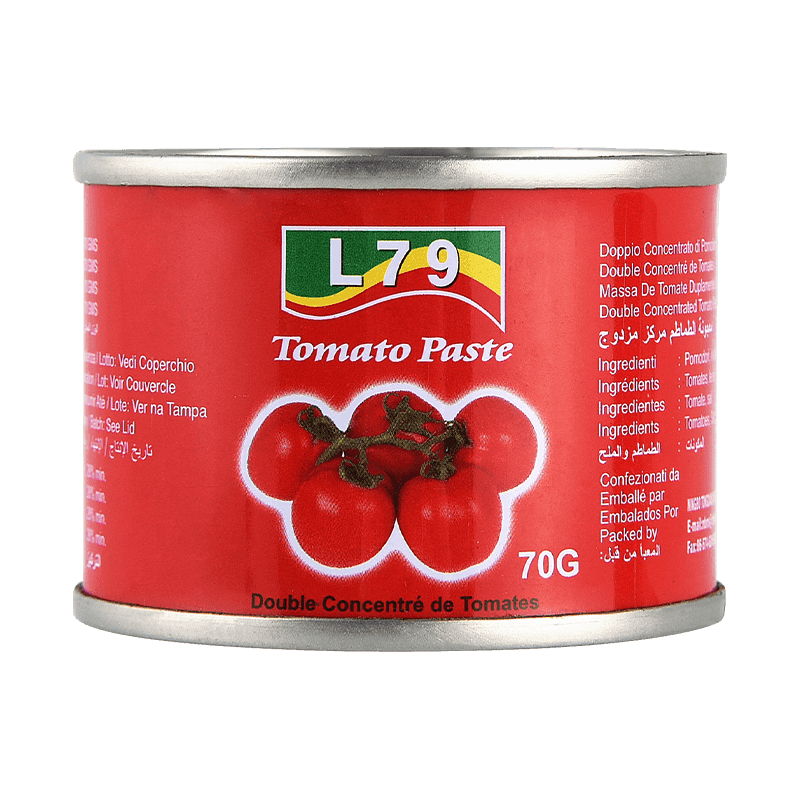
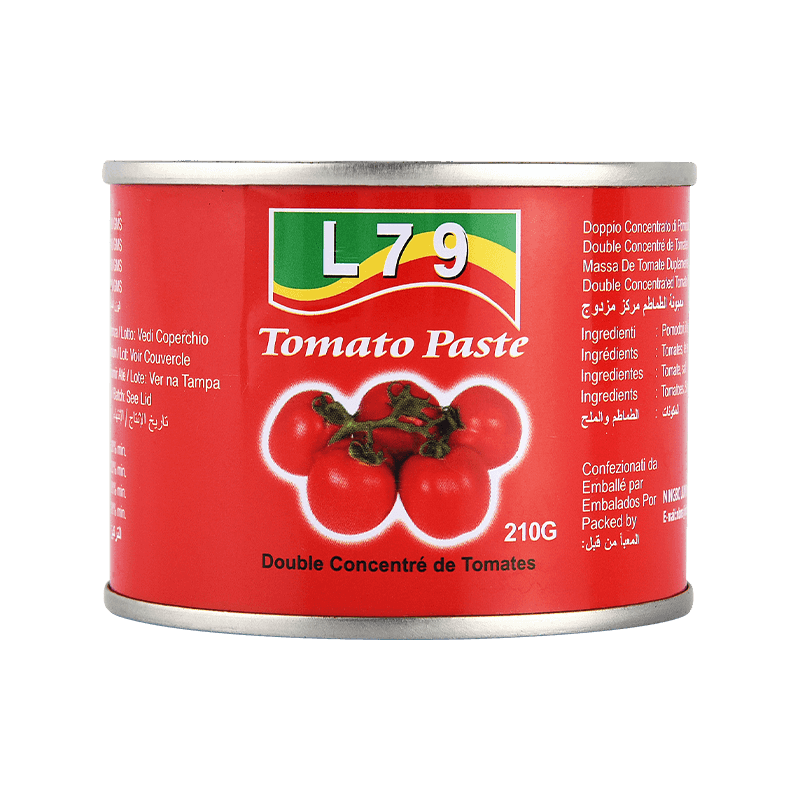
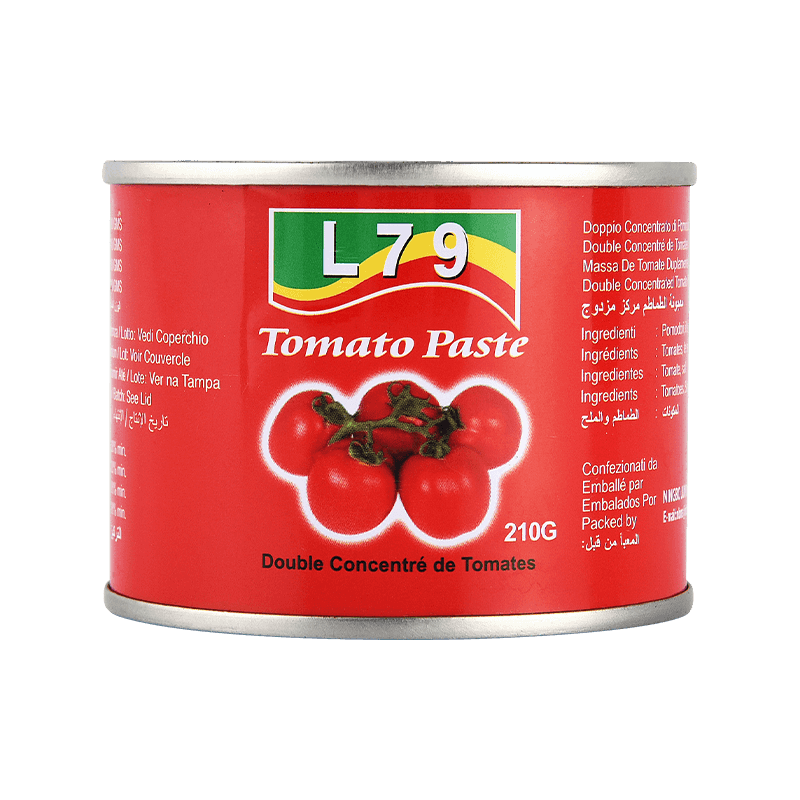
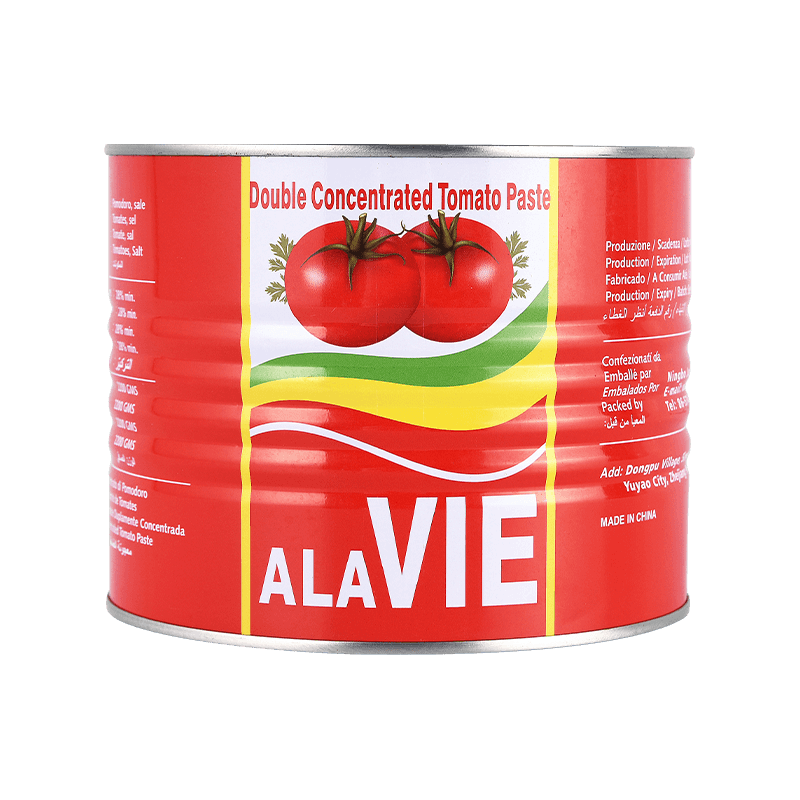
For households, small cans in the 60 g to 70 g range hold roughly one generous tablespoon to a quarter cup, which is exactly what a single recipe needs. Mid-size cans from about 198 g to 400 g suit weekly cooking, while large food-service formats from 2.2 kg to 4.5 kg are built for kitchens that use paste by the litre and rarely have anything left to freeze.
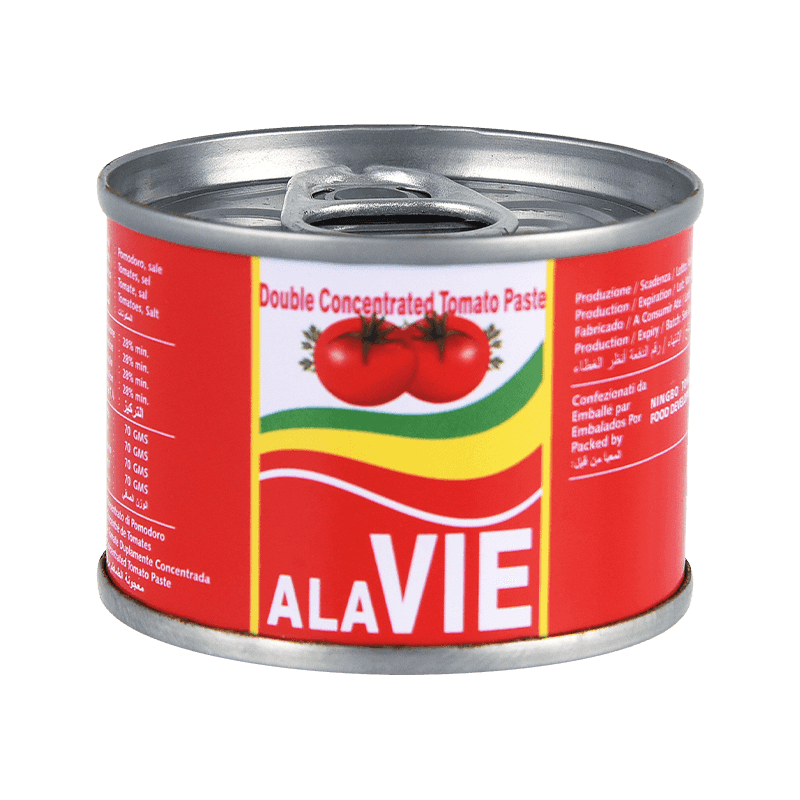 60g Double Concentrated Canned Tomato PasteA small 60g double concentrated tomato paste can with easy-open or hard-open options, useful when a single recipe needs only a small amount.View Product →
There is a trade-off worth weighing. Small cans and single-serve sachets cost more per gram and generate more packaging, but they eliminate waste almost entirely. A large can plus a freezer tray is usually cheaper per serving if you cook tomato-based dishes three or four times a week. If you open a can only twice a month, the small format wins on both cost and convenience.
Frequently Asked Questions
Can you freeze tomato paste in the original can?
No. Once opened, transfer the paste to a freezer-safe container. A metal can is not designed to expand with freezing contents, and the opened rim is hard to clean and reseal. Glass jars also need headspace, at least half an inch, because paste expands as it freezes.
Does freezing kill bacteria in tomato paste?
No. Freezing pauses microbial growth rather than destroying it. That is why the paste should be fresh and refrigerated before it goes into the freezer, and why you should not refreeze paste that has already thawed.
How long can frozen tomato paste stay in the freezer?
Three to four months gives the best flavor and color; up to six months is generally considered safe in a freezer that stays at 0°F (−18°C). Beyond that it is still likely safe, but it tastes dull and releases more water.
Can you freeze tomato paste in a tube?
The paste freezes fine, but the tube usually does not. Squeeze the remainder into a small bag or an ice cube tray instead, because a partly used tube often splits along the seam when frozen.
How do you know frozen tomato paste has gone bad?
Look for mold, a fermented or off smell, or a slimy surface after thawing. A little separated water is normal and can be stirred back in. When in doubt, throw it out; a tablespoon of paste is not worth the risk.
 No.1 Tongqianqiao Road, Dongpu Village, Simen Town, Yuyao, Zhejiang Province
  nbms@nbtomato.com
