
 EN
EN  English
 Français
 中文简体
中文简体


Ketchup made from tomato paste is a cooked sauce that combines concentrated tomato paste with water, a sweetener, vinegar, and seasonings to create a pourable, tangy-sweet condiment. It is the fastest reliable method for homemade ketchup because the paste has already removed most of the water from fresh tomatoes, so the deep tomato flavor is there from the first stir. In roughly 10 to 15 minutes, you can produce a ketchup that is thicker, less sweet, and more tomato-forward than most commercial bottles.
The ratio is one part tomato paste, one part water, half a part sweetener, and a quarter part vinegar, adjusted by taste. From it you can build classic, spicy, smoky, or low-sugar versions, and the result keeps for weeks in the refrigerator.
Content
Why Make Ketchup from Tomato Paste?
Because tomato paste already delivers concentrated tomato flavor, it eliminates the longest step in traditional ketchup making — the slow reduction of fresh tomatoes — while still leaving you in full control of sweetness, salt, and texture.
The main reasons home cooks and small food businesses choose this method include:
- Speed: from pantry ingredients to finished ketchup in about 15 minutes, compared with an hour or more for fresh-tomato recipes.
- Consistent results: the natural tomato solids of commercial paste are controlled, so flavor and thickness are reproducible every batch.
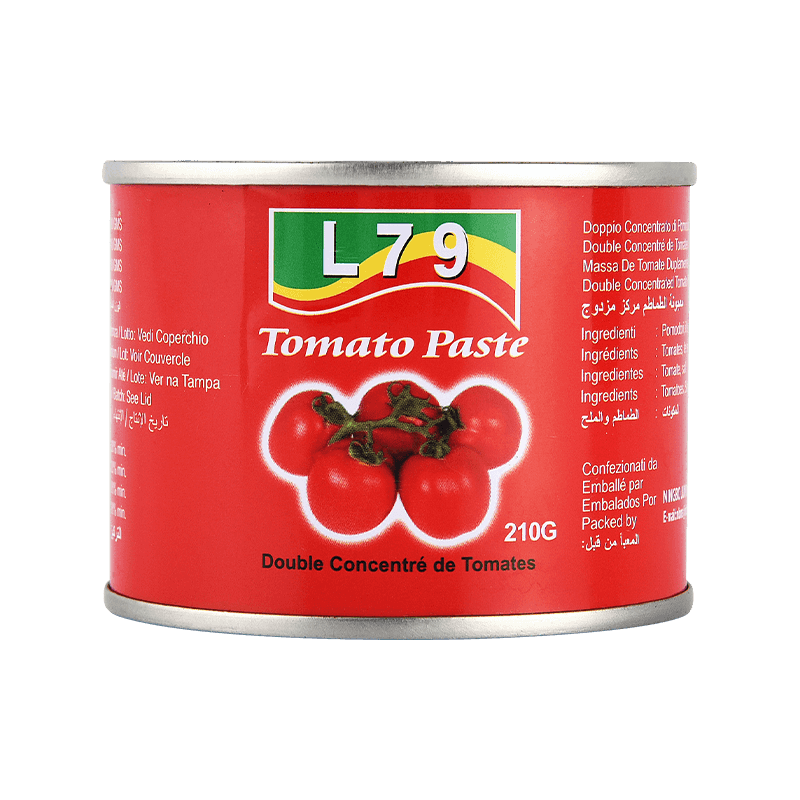
- Cost: a 200 g portion of double concentrated paste produces roughly one cup of ketchup at a fraction of the price of a premium bottle.
- Clean labels: you choose the sweetener, and you can omit preservatives and artificial thickeners.
- Less waste: make only the quantity you need from a paste that stores well before opening.
The Basic Recipe: Ingredients and Ratio
The standard ratio for ketchup from tomato paste is equal volumes of paste and water, balanced with about half as much sweetener and a quarter as much vinegar; this yields a thick, easily pourable ketchup that does not taste raw.
For about one cup (240 ml) of ketchup, measure the following:
| Ingredient | Amount | Role |
|---|---|---|
| Double concentrated tomato paste | 200 g (about 3/4 cup) | Tomato base and body |
| Water | 200 ml (about 3/4 cup) | Adjusts consistency |
| Brown sugar or honey | 60 g (about 1/4 cup) | Sweetness and caramel notes |
| Apple cider vinegar | 45 ml (3 tbsp) | Tang and preservation |
| Fine salt | 1 tsp | Flavor balance |
| Onion powder | 1/2 tsp | Savory depth |
| Garlic powder | 1/4 tsp | Aroma |
If you use regular (single) concentrated tomato paste instead of double concentrated, reduce the water to 120–150 ml and simmer a few minutes longer, because regular paste contains roughly 20% tomato solids rather than 28–30%.
How to Make Ketchup from Tomato Paste, Step by Step
The process takes 10 to 15 minutes and follows six steps: combine the paste and liquid, add the sweetener, simmer, season, taste-adjust, then cool and bottle.
- Combine the tomato paste and water in a small saucepan; whisk until the paste is fully dissolved and no streaks remain.
- Stir in the brown sugar (or honey) and a pinch of salt, and bring the mixture to a gentle simmer over medium heat.
- Lower the heat and simmer for 6 to 8 minutes, stirring occasionally; the ketchup darkens slightly and thickens as water evaporates.
- Add the vinegar, onion powder, and garlic powder, and simmer for another 2 to 3 minutes to round out the flavor.
- Taste and adjust: add more sweetener for a milder ketchup, or more vinegar if you prefer a sharper tang.
- Remove from the heat, cool the ketchup to room temperature, and transfer it to a clean glass jar; it will thicken further as it cools.
For a larger batch, scale everything and simmer for 12 to 15 minutes so the extra water evaporates; a 400 g can of double concentrated paste is a convenient base.
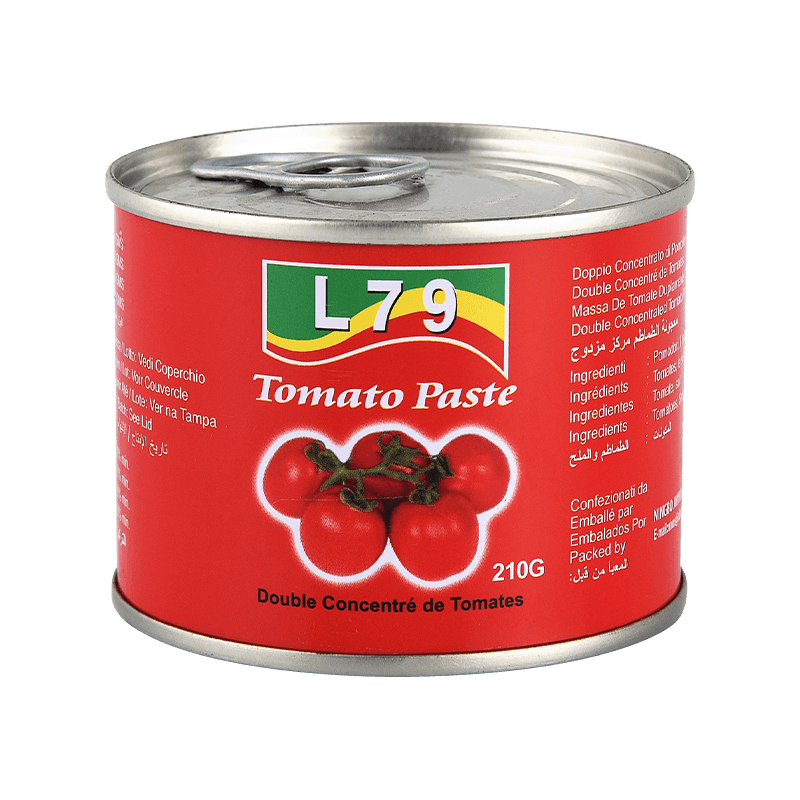 400g Double Concentrated Canned Tomato Paste in Easy or Hard Open CanThis 400g canned double concentrated tomato paste offers a balanced sweet-tart flavor and rich taste, with packaging that blocks oxygen, light, and impurities to preserve freshness and extend shelf life, making it ideal for large ketchup batches.View Product →
Flavor Variations and Customization
The base ketchup recipe is neutral enough to support many custom versions; you can change the sweetener, heat, smoke, or spice profile without altering the cooking method.
Try these adjustments on a single-cup batch:
| Variation | Add these ingredients | Serving ideas |
|---|---|---|
| Classic | Keep the base recipe as written | Burgers, fries, omelets |
| Spicy | 1 tsp chili flakes, 1/4 tsp cayenne | Tacos, grilled chicken, fried rice |
| Smoky BBQ | 1 tsp smoked paprika, 1 tbsp molasses | Ribs, baked beans, pulled pork |
| Low-sugar | Reduce sugar to 20 g; add 1/4 tsp stevia or monk fruit sweetener | Daily sandwiches, meal prep |
| Extra tangy | Increase vinegar to 60 ml; reduce sugar by 15 g | Fish and chips, sausages |
For restaurant use, scale the variations to 400 g batches and label each squeeze bottle; the flavor develops further overnight in the refrigerator.
Which Tomato Paste Should You Use?
Double concentrated tomato paste is the best choice for homemade ketchup because its 28–30% natural tomato solids produce a thick, bright-red sauce with a deeper flavor than regular paste, and it needs less simmering to reach ketchup consistency.
Regular concentrated paste (18–20% solids) also works, but you should cut the water to about 60–75% of the amount used for double concentrated paste. Tomato purée falls in between and is acceptable when it is the only option, though the color will be lighter.
| Product type | Tomato solids | Water to add per 200 g paste | Best use |
|---|---|---|---|
| Double concentrated paste | 28–30% | 200 ml | Thick ketchup in 10 minutes |
| Regular concentrated paste | 18–20% | 120–150 ml | Standard homemade ketchup |
| Tomato purée | About 24% | 160–180 ml | Smooth, lighter sauces |
When buying paste for ketchup, check the color and texture: a bright red or deep red color with a smooth, glossy paste indicates proper concentration, while a brownish or dull paste will make a tired-looking ketchup.
If you need the exact mixing logic for other recipes, our guide on how to properly dilute double concentrated tomato paste for cooking covers common kitchen uses.
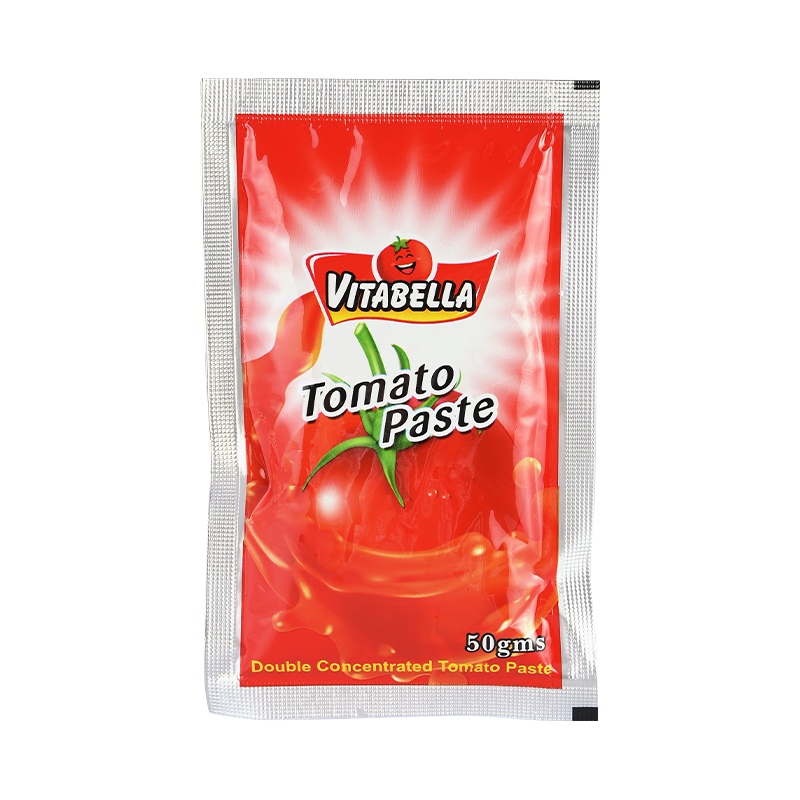 Double Concentrated Tomato Paste with No Additives and Rich FlavorThis double concentrated tomato paste is made from selected fresh tomatoes through two concentration processes, containing no artificial colors or preservatives, and works well in pizza, pasta, stews, and more for enhanced flavor.View Product →
For occasional kitchen use, a 200 g container is enough; for weekly cooking, larger cans give a better cost per kilo.
Storage and Shelf Life
Homemade ketchup from tomato paste keeps for 2 to 3 weeks in the refrigerator and up to 3 months in the freezer when stored in a clean, sealed container and kept below pH 4.6.
Three practical rules will help you get the full shelf life:
- Fill a clean glass jar nearly to the top to minimize oxygen; a thin layer of olive oil on the surface also blocks air contact.
- In the freezer, pour the cooled ketchup into ice cube trays, then transfer the frozen cubes to a sealed bag for portion use in marinades and stir-fries.
- Discard the ketchup if you see mold on the surface, smell fermentation, or notice watery separation with bubbles.
Common Mistakes and How to Fix Them
Most failed batches of tomato paste ketchup come down to four problems — watery texture, dull color, aggressive vinegar, or separation after chilling — and all four have straightforward fixes.
| Problem | Cause | Fix |
|---|---|---|
| Watery texture | Too much water or short simmering | Simmer 5 more minutes uncovered, or stir in 1–2 tbsp extra paste |
| Dull, brownish color | Boiling instead of simmering; low-quality paste | Keep the heat low and use bright-red double concentrated paste |
| Harsh vinegar taste | Vinegar added too early or in excess | Add vinegar in the final 2 minutes; reduce to 30 ml next time |
| Separation in the fridge | Natural settling of tomato solids | Whisk before serving; store at a stable cool temperature |
Frequently Asked Questions
The four questions that matter most when making ketchup from tomato paste are nutrition, sugar-free options, shelf life, and convenience.
Is homemade ketchup from tomato paste healthier than store-bought?
Yes, because you control the sugar and salt. A typical commercial ketchup contains 20–25% sugar by weight; the recipe above uses about 25% less and can be reduced further without losing the structure of the sauce. The tomato paste base also provides lycopene and dietary fiber.
Can I make ketchup from tomato paste without sugar?
Yes. Omit the brown sugar and add 1 tablespoon of apple juice concentrate or a few drops of liquid monk fruit sweetener, plus an extra pinch of allspice and onion powder to build perceived sweetness. The result is tangier and thinner-bodied, so simmer it slightly longer to compensate.
How long does homemade ketchup last?
Two to three weeks in the refrigerator in a sealed glass jar, or up to three months in the freezer. The vinegar and salt act as natural preservatives; keep the pH below 4.6 by not reducing the vinegar, and always use a clean, dry spoon to serve it.
What if I do not have time to cook a batch?
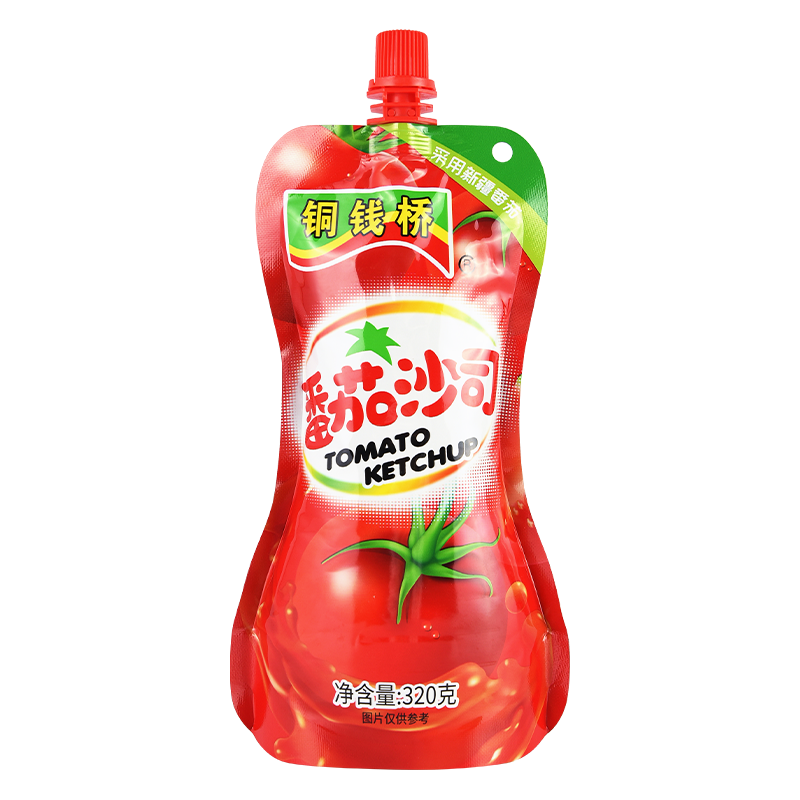
When 15 minutes are not available, a shelf-stable squeeze-bottle ketchup made from concentrated tomato is the practical alternative. It delivers the same tomato-forward flavor with zero prep time and stores at room temperature until opened.
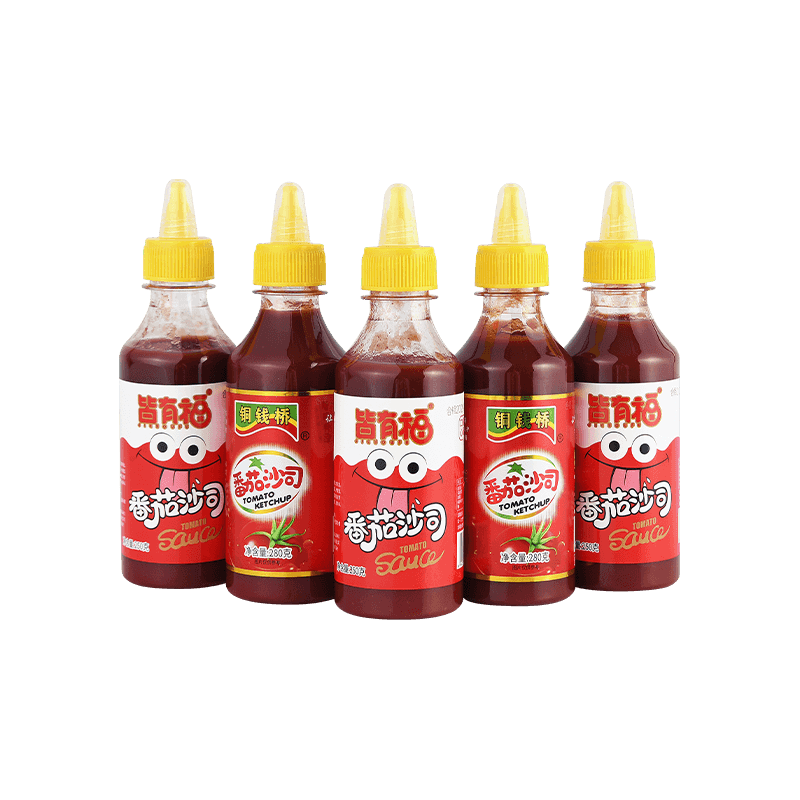 280g Plastic Squeeze Bottle Tomato Ketchup with Fresh QualityThis 280g ketchup in a food-grade squeeze bottle offers convenience for busy households, with an appealing color and intense tomato aroma, suitable as a dip or cooking ingredient when fresh preparation time is limited.View Product →
For a busy household, keeping a bottle as backup and making fresh ketchup when time allows gives you both convenience and control.
The Practical Takeaway
Making ketchup from tomato paste is a 15-minute, six-step process that gives you better flavor, cleaner ingredients, and lower cost per serving than most commercial ketchup.
Keep the ratio near 1:1 paste to water with double concentrated paste, adjust sweetness and acidity to your own taste, and scale the batch freely. For home use, the base recipe is enough; for a commercial kitchen, 400 g or 800 g cans make consistent large batches, and our food team can help with product selection and specifications through the contact page.
 No.1 Tongqianqiao Road, Dongpu Village, Simen Town, Yuyao, Zhejiang Province
  nbms@nbtomato.com
