
 EN
EN  English
 Français
 中文简体
中文简体


Yes, you can make an excellent pizza sauce directly from tomato paste — and in most home kitchens it is actually the smarter choice than starting with crushed tomatoes. The basic formula is simple: one part tomato paste to one and a half parts water, seasoned with salt, oregano, garlic, and olive oil. You can finish the sauce in under ten minutes, no simmering required, and you keep complete control over thickness, sweetness, and heat. This guide explains the ratios, the seasonings, the cooking options, and the storage rules so you get a dependable sauce every time.
Content
- Why Tomato Paste Is a Reliable Base for Pizza Sauce
- The Basic Formula: How Much Paste and Water to Use
- Step-by-Step: Five-Minute Pizza Sauce from Tomato Paste
- Seasonings That Make the Difference
- No-Cook or Simmered: Which Should You Use?
- Adjusting Consistency, Flavor, and Color
- Storage: Fridge and Freezer
- Common Mistakes to Avoid
- Frequently Asked Questions
Why Tomato Paste Is a Reliable Base for Pizza Sauce
Tomato paste works because it delivers concentrated tomato flavor without excess water, which is exactly what a pizza sauce needs. Fresh or canned tomatoes contain roughly 90 percent water; if you build a sauce from them, you have to simmer for a long time to avoid a soggy crust. Paste has already been reduced, so you simply add back the liquid you want and the sauce is ready. It spreads evenly, clings to the dough, and stays put under the cheese.
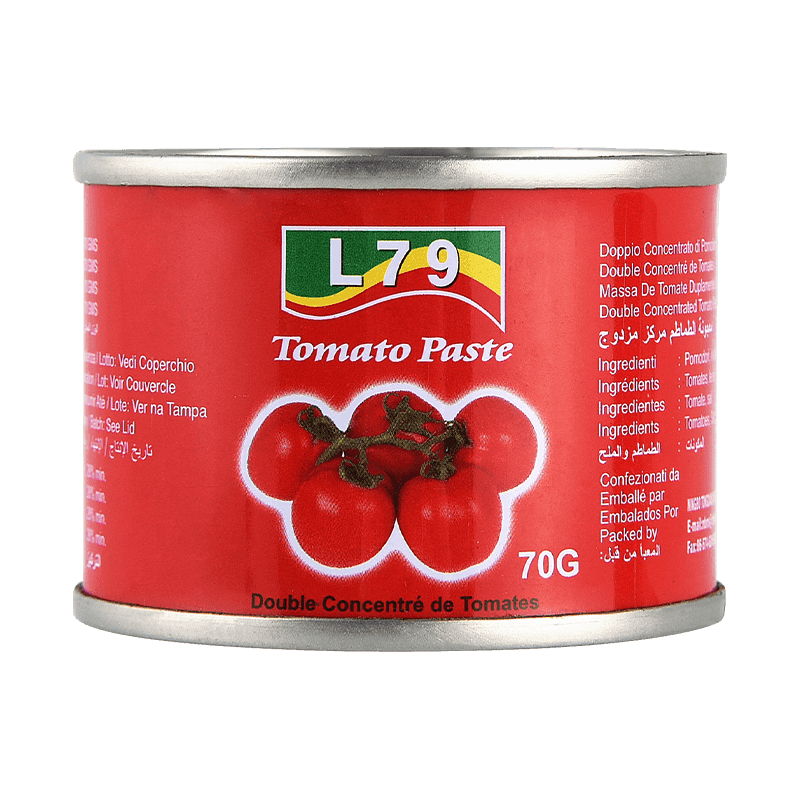
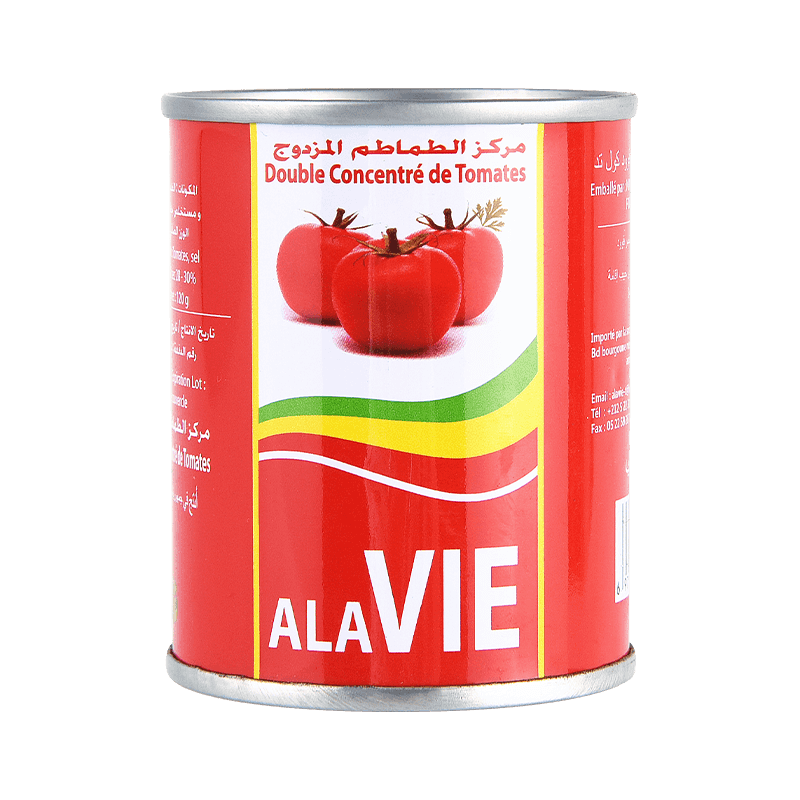
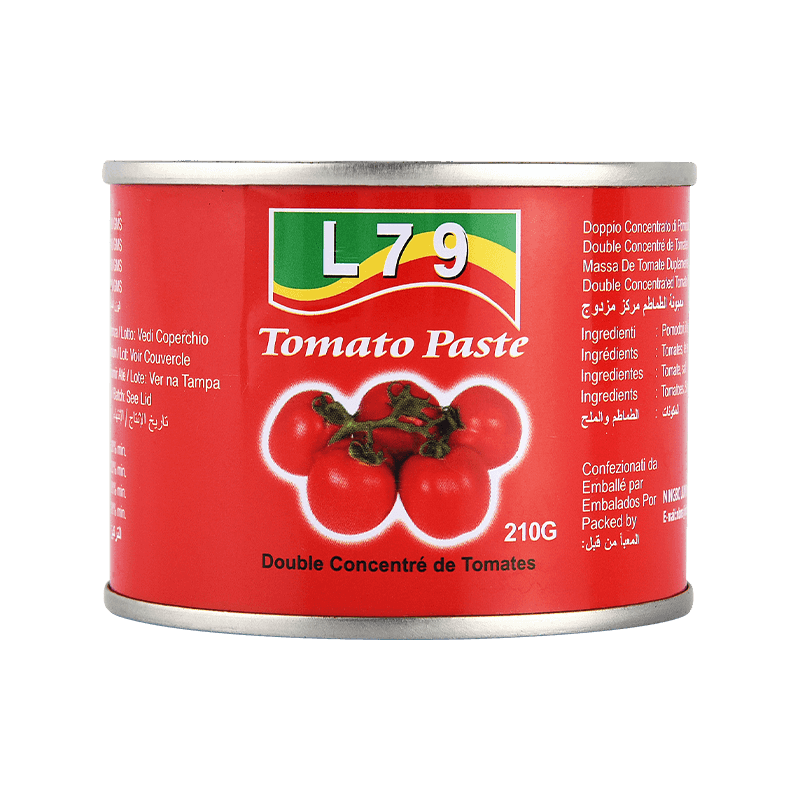
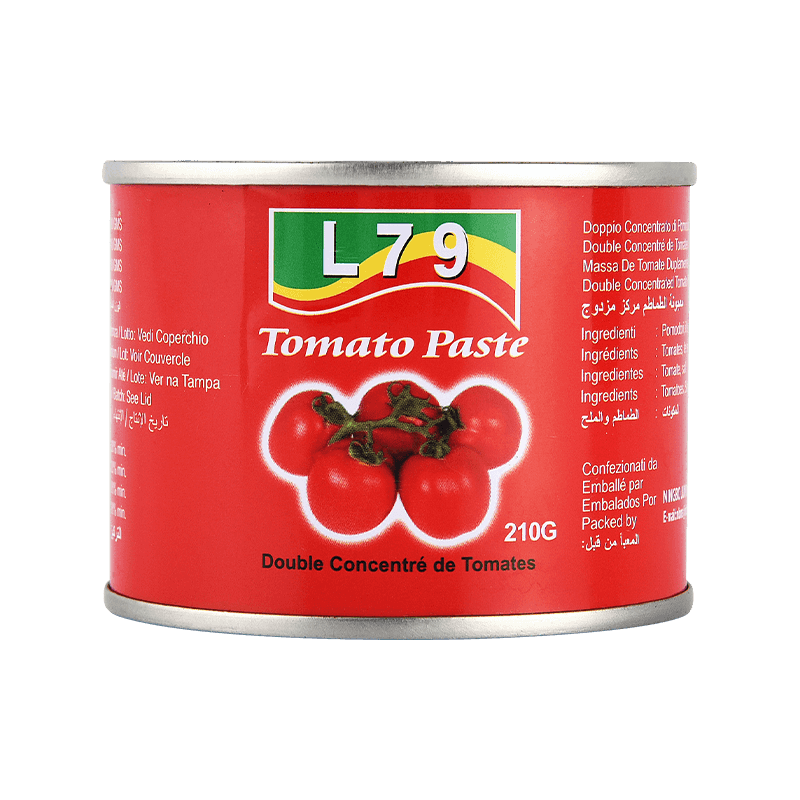
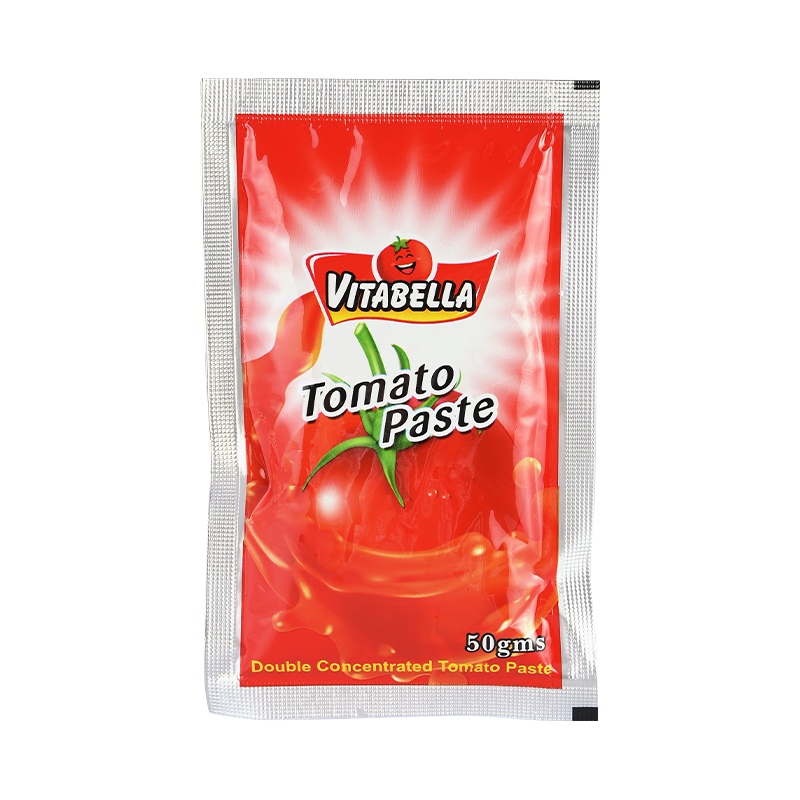 Double Concentrated Tomato Paste in Small CansThis reduced paste delivers intense tomato flavor without excess water, making it ideal for quick pizza sauce. Its concentrated form is economical and keeps well, though careful dilution is needed.View Product →
A concentrated product is also economical: a little goes a long way, and it keeps for months in the pantry. Many pizzeria recipes rely on concentrated products — our guide to why double concentrated tomato paste is more suitable for making pizza sauce explains how a reduced paste improves both texture and flavor. The only real danger is over-diluting it, so start with the ratios below and adjust from there.
The Basic Formula: How Much Paste and Water to Use
Start with one part tomato paste to one and a half parts water for a standard sauce, and add more water only when you use double concentrated paste. The working range for common consistencies looks like this:
| Consistency | Paste : Water | Best use |
|---|---|---|
| Thick | 1 : 1 | Neapolitan-style pizzas and high-moisture toppings |
| Standard | 1 : 1.5 | Most home ovens, all-purpose |
| Thin | 1 : 2 | Crispy thin crust and sheet-pan pizzas |
| Double concentrated paste | 1 : 2 to 2.5 | Any of the above; adjust from your base |
Whisk the paste into warm water rather than cold. Warm liquid dissolves the solids quickly and produces a silky texture with no lumps. If the sauce feels sticky on the spoon, add water a teaspoon at a time. If it runs like juice, whisk in more paste. For a more detailed adjustment guide, see how to properly dilute double concentrated tomato paste for cooking.
Step-by-Step: Five-Minute Pizza Sauce from Tomato Paste
You need five ingredients and a whisk; cooking is optional. This base recipe makes roughly 250 g of sauce, enough for two large pizzas.
- Measure 100 g of tomato paste into a bowl.
- Pour in 150 ml of warm water and whisk until completely smooth.
- Add 1/2 teaspoon of salt, 1 teaspoon of dried oregano, 1 minced garlic clove (or 1/2 teaspoon of garlic powder), and 1 tablespoon of olive oil.
- Taste the sauce. If it tastes sharp or flat, stir in 1/4 teaspoon of sugar or a small pinch more salt.
- Let the sauce rest for 10 minutes so the dried herbs rehydrate and the flavors blend.
Spread a thin layer on the dough — about 2 to 3 tablespoons per large pizza is right. A modest layer keeps the crust crisp. For a convenient kitchen size, a 400 g easy-open can of double concentrated paste fits this recipe perfectly because it leaves plenty for future batches and reseals tightly.
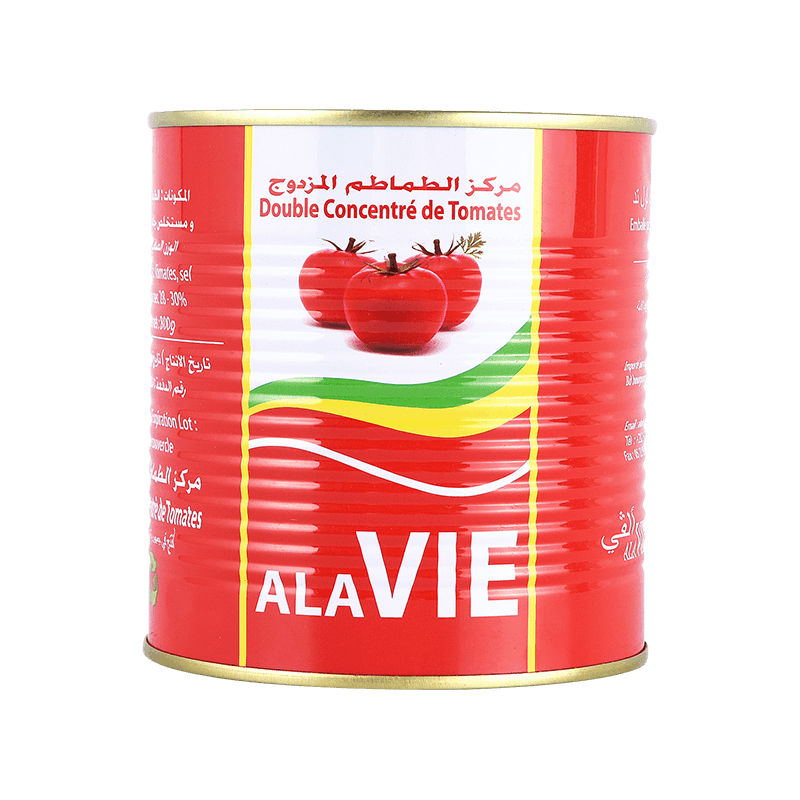
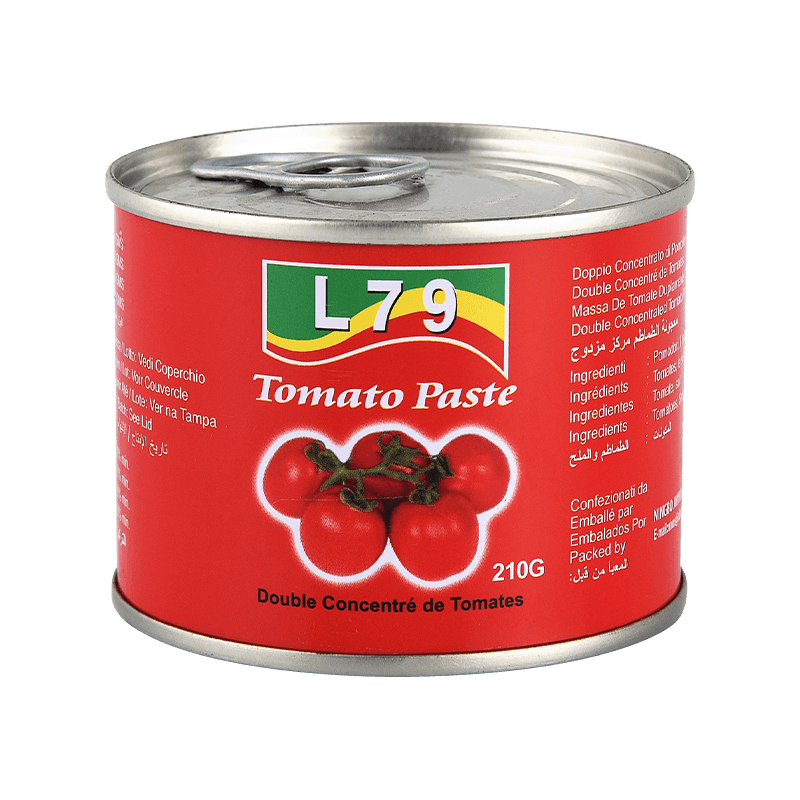 400g Easy-Open Double Concentrated Tomato Paste CanA convenient 400g easy-open can suits the recipe's batch size while resealing tightly for later use. The sturdy packaging protects against oxidation and light, preserving flavor and freshness.View Product →
Seasonings That Make the Difference
Seasoning decides whether the sauce tastes like canned paste or like a finished pizza sauce. The amounts below work for the 250 g batch from the recipe above.
| Ingredient | Amount | Why it works |
|---|---|---|
| Salt | 1/2 teaspoon | Wakes up the tomato flavor |
| Dried oregano | 1 teaspoon | Classic pizzeria note |
| Garlic | 1 clove or 1/2 teaspoon powder | Adds savory depth |
| Olive oil | 1 tablespoon | Rounds out the acidity |
| Sugar | 1/4 teaspoon (optional) | Softens harsh top notes |
| Red pepper flakes | 1 pinch (optional) | Adds gentle heat |
Oregano is the non-negotiable, but basil, marjoram, or fennel seed work well as 1/2-teaspoon additions. If you use fresh herbs, add them after the sauce is spread on the dough so they do not burn. Avoid using more than three dried herbs at once — the tomato taste disappears quickly.
No-Cook or Simmered: Which Should You Use?
No-cook sauce is best for weeknight pizza because the oven finishes the job. Simmering is worth the extra time when you want a deeper, sweeter, more caramelized flavor, or when you are making a large batch for the week. Here is the comparison:
| Aspect | No-cook | Simmered |
|---|---|---|
| Flavor | Bright, fresh, tart | Deep, sweet, roasted |
| Time | 5 minutes | 20 minutes |
| Texture before baking | Thin, spreads easily | Thicker, richer |
| Best for | Quick weeknight pizza | Batch preparation and bold toppings |
To simmer: heat 1 tablespoon of olive oil in a small saucepan, add the paste and cook for one minute, then add the water and seasonings and let it bubble gently for 15 minutes. Stir occasionally. You will notice the color darken and the sharpness fade.
Adjusting Consistency, Flavor, and Color
The finished sauce should coat a spoon and spread without pooling; that is your visual target. If it pools on the dough, whisk in an extra tablespoon of paste. If it is too thick to spread, add warm water a teaspoon at a time. For a deeper color with a roasted note, sauté the paste in olive oil for two minutes before adding the water — this also removes the raw, metallic edge that some pastes have. When the sauce tastes too acidic, the fix is a small pinch of sugar or an extra teaspoon of olive oil, not more salt. For sweetness, remember that paste is naturally concentrated and sometimes tastes sharper than a finished sauce; the sugar is there to balance, not to sweeten.
Storage: Fridge and Freezer
Tomato-paste pizza sauce stores better than most homemade sauces because the paste slows oxidation. Refrigerated in a sealed glass jar, it stays good for five to seven days. Frozen, it keeps for up to three months. The easiest approach is to freeze it in 100 g portions and thaw overnight in the fridge, then whisk once before spreading. Leave two centimetres of headroom in the container so the sauce has room to expand. Always use a clean, dry spoon when you take sauce out; it prevents introducing bacteria. If you buy large cans for batch cooking, transfer the leftover paste into a clean container and refrigerate; the 800 g easy-open format is practical for households that make pizza regularly.
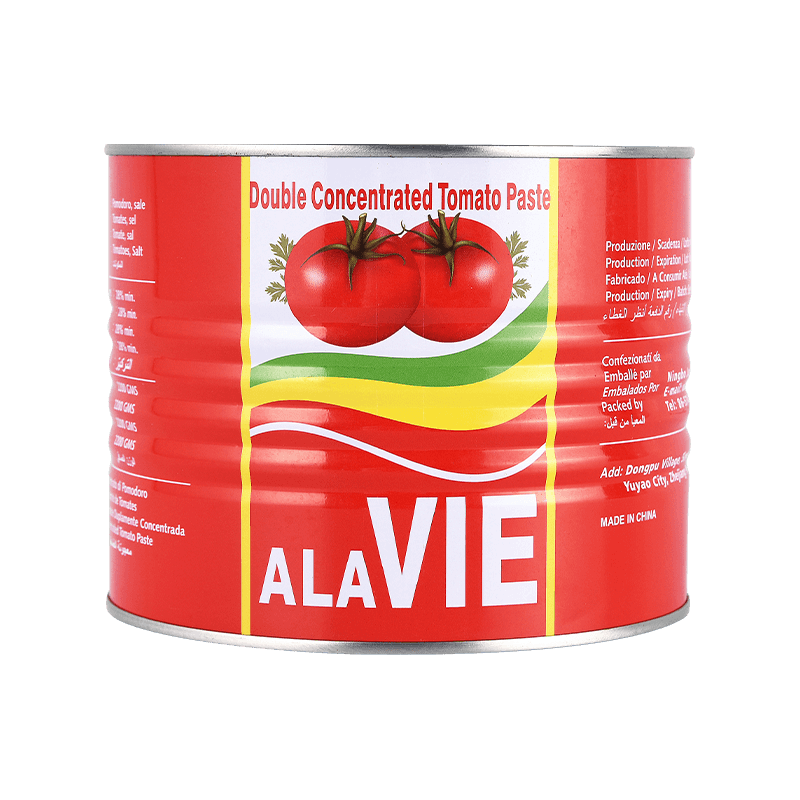
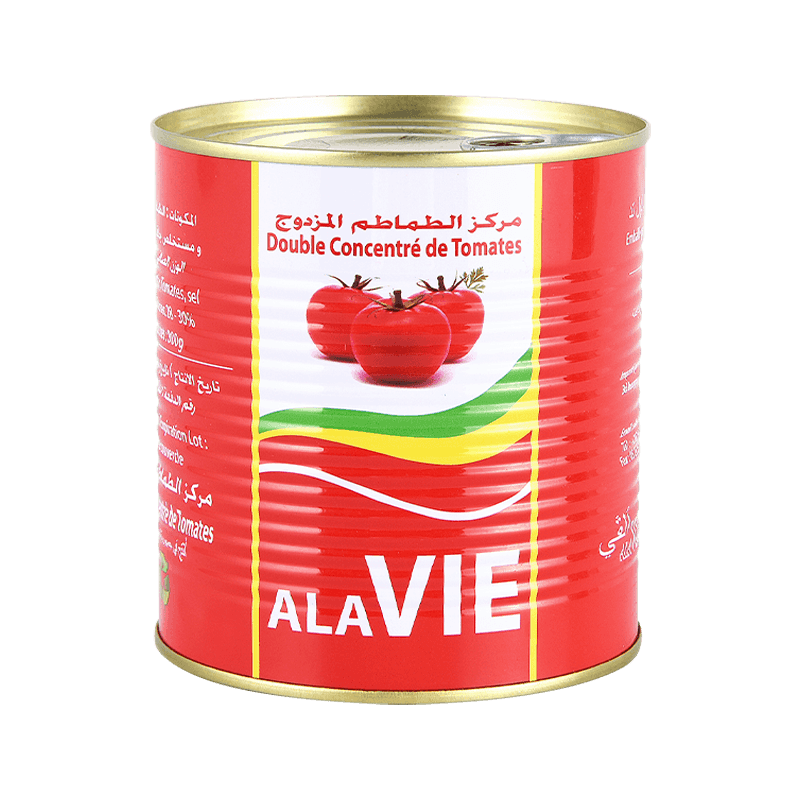 800g Easy-Open High Fresh Quality Tomato Paste CanThis large, easy-open format is practical for frequent pizza makers. Its sturdy can prevents spills during transport and keeps contents fresh after resealing, supporting batch cooking and storage.View Product →
Common Mistakes to Avoid
Five mistakes cause most failed batches: too much water, not enough salt, over-simmering, cold water, and skipping the final taste test. Avoid them and your sauce will be consistent every time.
- Adding too much water — the sauce runs off the dough and soaks the crust. Start with less and adjust upward.
- Skipping salt — tomato paste is flat without it; half a teaspoon per 250 g of sauce is a safe baseline.
- Simmering uncovered for too long — the sauce reduces, turns pasty, and can taste bitter. Keep the lid on if you simmer longer than 15 minutes.
- Using cold water — it creates stubborn lumps, while warm water whips in smoothly.
- Not tasting before spreading — the final adjustment fixes every other issue.
Frequently Asked Questions
Can I use double concentrated tomato paste for pizza sauce?
Yes. Use one part double concentrated paste to two or two and a half parts water, and taste before adding extra salt because the concentrated flavor is more intense.
Does the sauce need to be cooked before it goes on the pizza?
No. The pizza bakes at high heat, which thickens and melds the sauce. Simmering is only for deeper flavor or longer storage.
Why does my sauce taste bitter?
Bitterness usually comes from over-reducing, burned garlic, or a low-quality paste. Use a clean pan, keep the heat gentle, and choose a paste with a fresh, sweet aroma.
How do I fix a watery pizza sauce?
Whisk in an extra tablespoon of tomato paste, or simmer the sauce for two to three minutes until it reaches the thickness you want.
Can I freeze pizza sauce made from tomato paste?
Yes, for up to three months. Thaw in the refrigerator overnight and whisk before spreading.
 No.1 Tongqianqiao Road, Dongpu Village, Simen Town, Yuyao, Zhejiang Province
  nbms@nbtomato.com
