
 EN
EN  English
 Français
 中文简体
中文简体


For a sloppy joe recipe with tomato paste, the ratio that works is 1 tablespoon of double concentrated tomato paste per 450 g (1 lb) of ground beef, loosened with 120 ml (1/2 cup) of water or stock and simmered for 8 to 10 minutes. That single spoonful is the difference between a filling that clings to the bun and one that turns the bread into a wet sponge. Tomato paste is strained, cooked tomato with most of its water driven off, so it brings thickness, deep red color and savory depth without the sugar load that ketchup carries. The recipe below treats paste as the backbone and keeps ketchup in a supporting role; the tables further down cover ratios for larger batches, can-size math, and the fixes for a filling that comes out too sweet, too thin or too sharp.
Content
What Tomato Paste Does That Ketchup Cannot
Tomato paste supplies body, color and savory depth, while ketchup supplies sweetness and tang - the two are not interchangeable.
Double concentrated tomato paste is normally specified at 28-30 Brix, meaning roughly 28-30 g of soluble solids per 100 g of product, most of it tomato solids and natural sugars. Bottled ketchup carries 20-25 g of added sugar per 100 g, and tomato sauce is mostly water at around 5-8 Brix. The practical consequence is blunt: if you leave the paste out and pour in extra ketchup, you are adding sugar and water rather than structure. The pan looks darker, tastes sweeter, and needs another 10-15 minutes of reduction before the filling stops running off a spoon.
Paste also brings natural glutamates from cooked tomato and pectin that thickens as it heats, which is why one tablespoon bloomed in fat at the start tastes fuller than two tablespoons stirred in at the end. Paste needs heat to lose its raw, tinny edge, and it is also the base for pasta sauce, pizza sauce and stews - see our notes on culinary uses for double concentrated tomato paste for those applications.
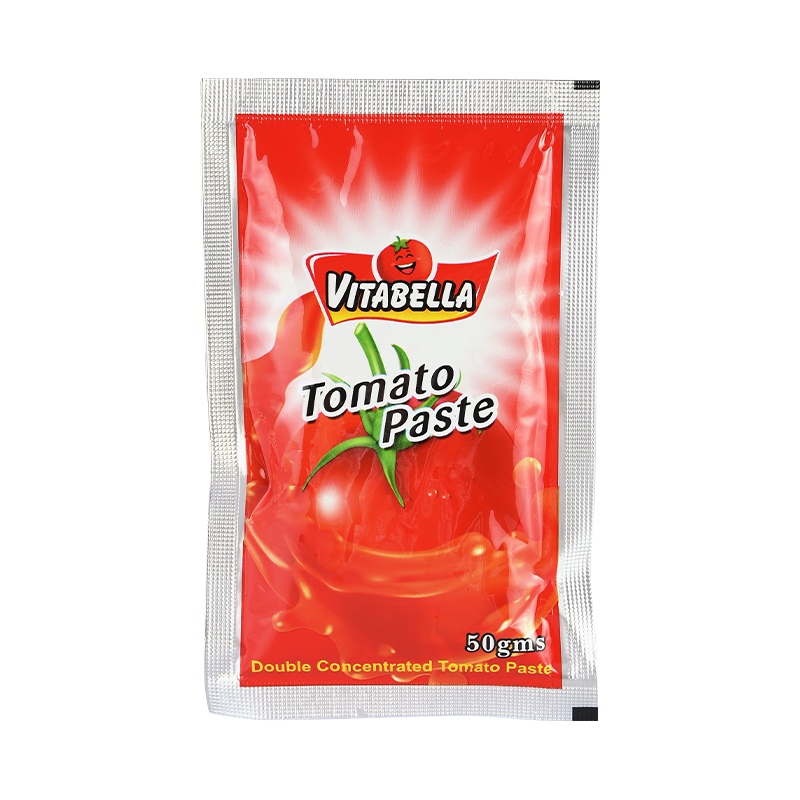 Double Concentrated Tomato Paste for Sauces and StewsA double-concentrated paste that, when bloomed in fat before liquid, is described as key to cooked-tomato depth in sauces, stews, and fillings.View Product →
The Recipe: One Skillet, About 20 Minutes
Ingredients (Serves 4)
- 450 g (1 lb) ground beef, 80/20 lean-to-fat
- 1 small onion, finely diced
- Half a green bell pepper, diced
- 1 tbsp double concentrated tomato paste
- 1/3 cup ketchup
- 1 tbsp Worcestershire sauce
- 1 tsp yellow mustard
- 1 tbsp brown sugar, or less to taste
- 1 tsp chili powder and 1/2 tsp smoked paprika
- 120 ml (1/2 cup) water or beef stock
- 1/2 tsp salt and 1/4 tsp black pepper
- 4 soft buns
Method
- Brown the beef in a dry skillet over medium-high heat, breaking it apart, for 5-6 minutes. Leave about 1 tablespoon of fat in the pan, because the paste needs fat to bloom.
- Add the onion and pepper and cook 3 minutes, until softened.
- Push the meat to one side, spoon the paste onto the bare pan and fry it 60-90 seconds, until it darkens to brick red and smells sweet rather than raw.
- Stir in the ketchup, Worcestershire sauce, mustard, brown sugar, chili powder and paprika.
- Pour in the water or stock, scrape up the browned bits, and simmer uncovered for 8-10 minutes, until a spoon dragged through the mixture leaves a clear trail.
- Season with salt and pepper, then adjust: brown sugar for sweetness, a splash of cider vinegar for sharpness, another teaspoon of paste for depth.
- Spoon onto buns and serve at once. The filling tightens as it cools, so reheat it with a tablespoon of water if it stands.
Order matters more than the ingredient list here. Blooming the paste in beef fat before any liquid goes in is what separates a filling that tastes of cooked tomato from one that tastes of diluted concentrate.
Paste, Ketchup and Tomato Sauce Side by Side
| Product | Solids / Brix | Added sugar | Role in a sloppy joe |
|---|---|---|---|
| Double concentrated tomato paste | 28-30 | Usually none | Body, color and savory depth; the backbone |
| Standard canned tomato paste | 24-28 | Usually none | Same role; use 15-25% more |
| Tomato sauce | 5-8 | Sometimes | Liquid and brightness; does not thicken |
| Ketchup | 25-30 | 20-25 g | Sweet-tangy seasoning; keep near 1/3 cup per pound |
Ratio Table for Bigger Batches
These amounts assume a double concentrated paste at 28-30 Brix; a thinner paste needs roughly one quarter more.
| Ground beef | Tomato paste | Liquid | Simmer |
|---|---|---|---|
| 450 g / 1 lb | 1 tbsp (about 16 g) | 120 ml / 1/2 cup | 8-10 min |
| 900 g / 2 lb | 2 tbsp (about 32 g) | 240 ml / 1 cup | 12-15 min |
| 1.8 kg / 4 lb | 4 tbsp (about 64 g) | 480 ml / 2 cups | 20 min |
Three Problems and Their Fixes
- Too sweet. Ketchup is usually the culprit, not the paste. Stir in 1 teaspoon of cider vinegar; if it is still cloying, cut the ketchup to 1/4 cup and add 1 more tablespoon of paste plus 2 tablespoons of water.
- Too thin. Simmer uncovered for 5 more minutes before reaching for a thickener. In a hurry, whisk 1 teaspoon of cornstarch into 1 tablespoon of cold water and stir it through; the filling tightens within a minute.
- Sharp or metallic. That is undercooked paste or too much acid. Add a teaspoon of brown sugar or a small knob of butter and simmer 3 minutes to round it off.
- Dry and crumbly. Lean beef and aggressive browning pull out moisture. Add 2-3 tablespoons of water, cover, and steam for 3 minutes.
Storing the Rest of the Can or Sachet
An opened can of tomato paste keeps 5-7 days in the refrigerator and 3-4 months in the freezer; the enemy is oxygen, not cold.
- Refrigerator: press plastic wrap directly onto the surface before lidding the container, or float a thin film of olive oil on top.
- Freezer: portion by the tablespoon into an ice cube tray, freeze, then bag the cubes. One cube equals roughly one tablespoon, which is exactly one pound of beef.
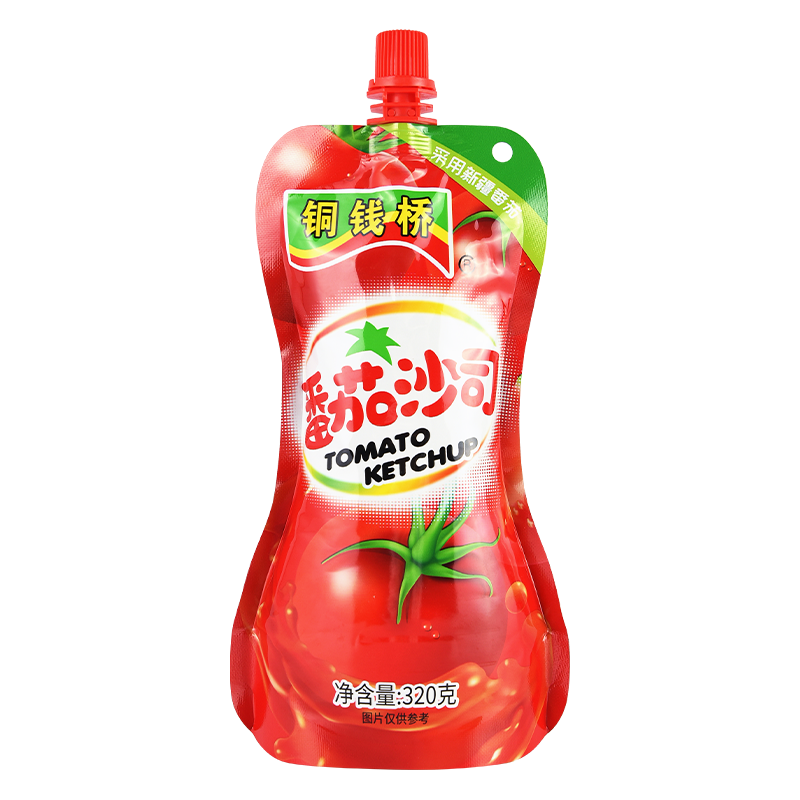
- Resealable packs: a screw-cap sachet or squeeze bottle removes the guesswork - dispense what you need, close it again, and skip the half-used can drying out on the door shelf.
For a household using one or two tablespoons a week, a 320 g cap-top sachet usually finishes before it spoils, while a full can is better value only if you cook with paste two or three times a week.
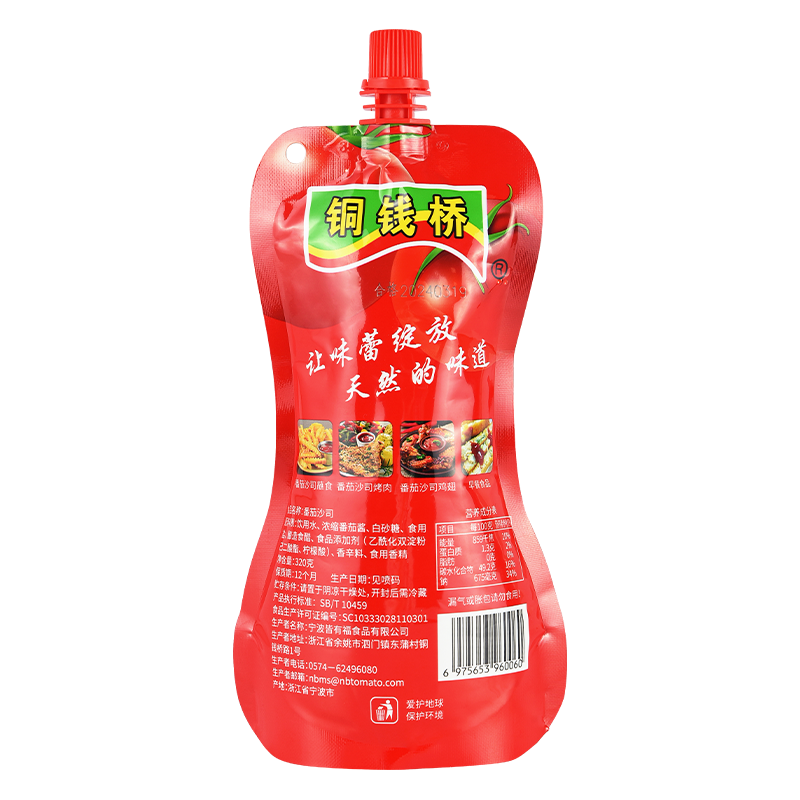 320g Sachet Tomato Paste with CapA zero-fat, no-added-sugar tomato paste in a 320g sachet with cap, sized for households that use paste once or twice a week.View Product →
Choosing a Format Before You Shop
Match the pack to how quickly you cook, not to the lowest price per gram.
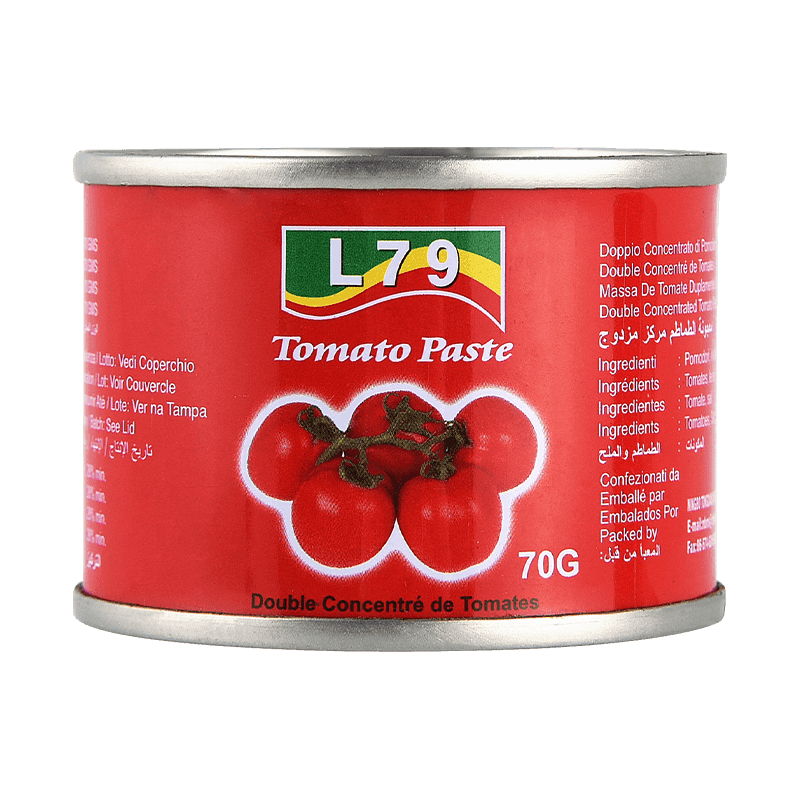
- Single-serve 50-70 g sachets and 60-70 g cans suit one or two sandwiches; zero waste, highest cost per gram.
- A 320 g screw-cap sachet or a 250 g squeeze bottle suits weekly cooking and doubles as a ketchup-style topper.
- 400 g and 850 g cans give the best value for family cooking, provided you plan the leftover.
- 2200 g, 3000 g and 4500 g cans are catering formats; portion and freeze them the day they are opened.
Two label details matter more than brand. First, the Brix figure, because a 28-30 Brix paste behaves differently in the pan from a 24 Brix product. Second, whether salt or sugar has already been added: paste with nothing added leaves the seasoning entirely in your hands, while sweetened paste means you should cut the brown sugar in the recipe. Check the production date rather than a vague "best before" month, since paste darkens gradually even in a sealed can.
If you buy by the case rather than the can, ask for current specification sheets, Brix tolerances and packaging options before committing to a container load - our team can supply the current documents.
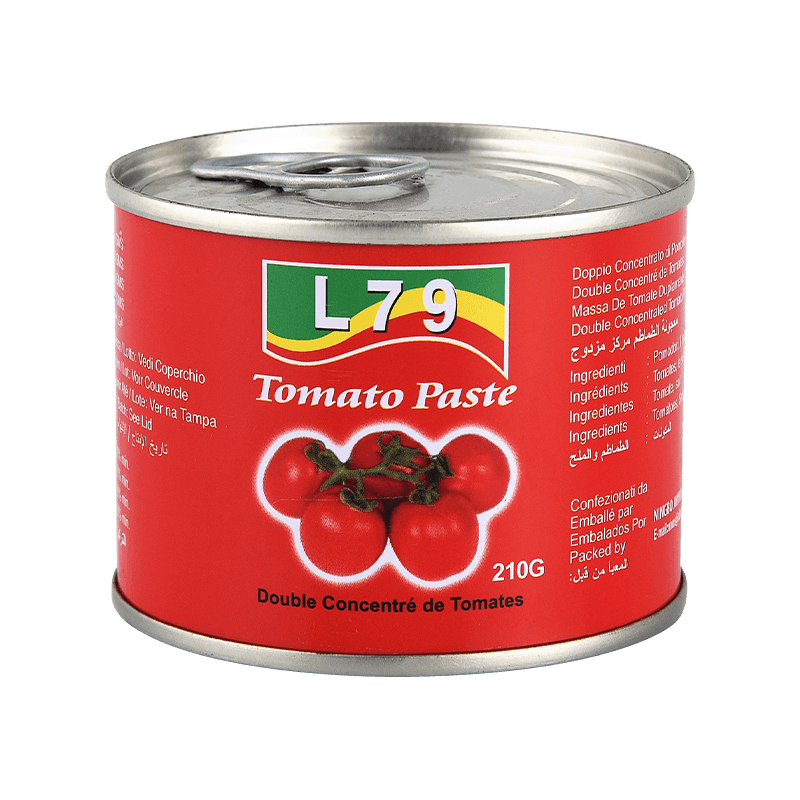 400g Easy-Open or Hard-Open Double Concentrated Canned Tomato PasteFor case buyers checking specifications, this 400g double-concentrated canned paste comes in easy-open or hard-open formats for cooking and seasoning.View Product →
Frequently Asked Questions
How much tomato paste is too much?
Beyond about 2 tablespoons per pound of beef, the filling turns very dark and the acidity starts to dominate. If you overshoot, add a little more ketchup and brown sugar plus 2 tablespoons of water.
Can I make sloppy joes without ketchup?
Yes. Replace 1/3 cup of ketchup with 1 tablespoon of tomato paste, 1 tablespoon of cider vinegar, 1 teaspoon of brown sugar and 3 tablespoons of water for a less sweet, more tomato-forward result.
Should I dilute the paste before it goes into the pan?
No. Frying the paste in the residual beef fat for 60-90 seconds develops flavor a cold slurry cannot, and the liquid added afterwards loosens it anyway.
Can I cook this in a slow cooker?
Yes, with one change: brown the beef and bloom the paste on the stovetop first, then transfer everything to the slow cooker with only 80 ml (1/3 cup) of water and cook on low for 4 hours.
To sum up: one tablespoon of double concentrated tomato paste per pound of beef, bloomed in fat, plus about half a cup of liquid and a short simmer, gives a filling that is thick, glossy and still tastes of tomato rather than sugar. Keep the ketchup in a supporting role, read the Brix figure on the label, and portion whatever is left in the can before it has a chance to dry out.
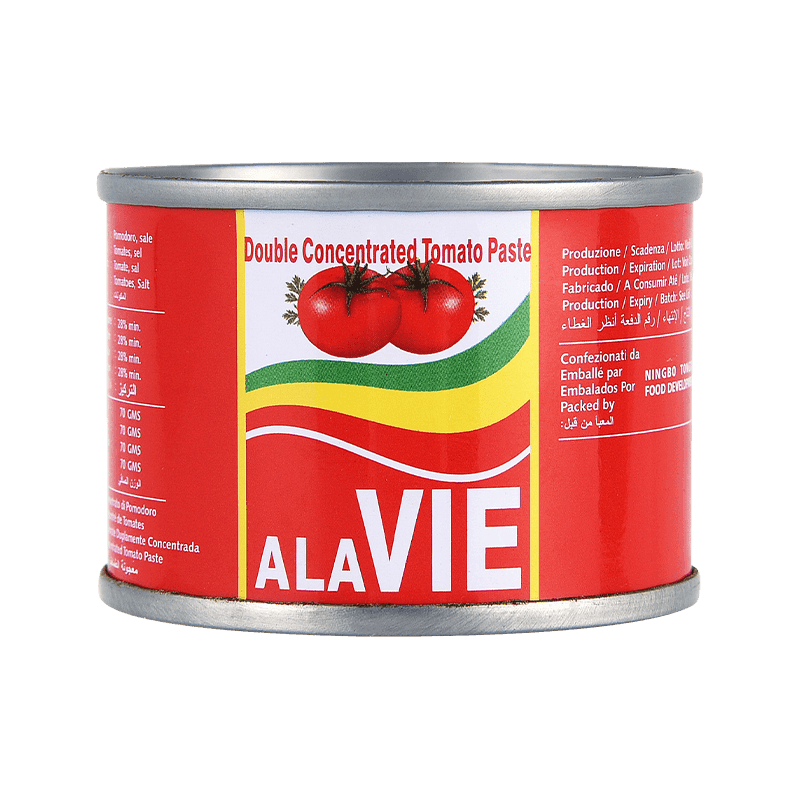
 No.1 Tongqianqiao Road, Dongpu Village, Simen Town, Yuyao, Zhejiang Province
  nbms@nbtomato.com
