
 EN
EN  English
 Français
 中文简体
中文简体


The answer is clear: tomato paste is categorized primarily by its soluble solids concentration, measured in Brix. The three distinct tiers are single concentrate, double concentrate, and triple concentrate. These types are not just marketing labels—they define water content, cooking time, and flavor intensity. When a recipe simply says “tomato paste,” it almost always refers to double concentrate, the gold standard found in squeezable tubes and small cans worldwide.
Content
- Tomato paste is defined by its soluble solids content: single, double, and triple concentrate
- Brix values directly translate to sugar concentration and mouthfeel intensity
- Tomato paste varieties differ by processing method: hot break versus cold break
- Packaging shapes usage: tubes, cans, and jars each preserve paste differently
- Regional and specialty tomato paste distinctions add complexity
- How to substitute between different tomato paste types
- Nutritional density shifts with concentration
- Tomato paste versus tomato puree and tomato sauce: a structural comparison
- Storage science: why tomato paste molds and how concentration helps
- Frequently Asked Questions About Tomato Paste Types
- Choosing the right tomato paste type: a practical summary
Tomato paste is defined by its soluble solids content: single, double, and triple concentrate
The global standard for classifying tomato paste rests on the percentage of natural tomato solids remaining after water is evaporated. According to the Codex Alimentarius standard for processed tomato concentrates (CXS 57-1981), tomato paste must contain between 24% and less than 36% natural soluble solids, while higher concentrations move into the “concentrated tomato paste” category. In practice, the industry recognizes three main tiers, each suited to specific culinary and industrial scenarios.
Single Concentrate
12% to 18% natural tomato solids. This is a light paste, sometimes labeled “pizza sauce base” or “light concentrate.” It retains more water and a fresher, brighter tomato flavor but requires reduction for deep umami. Used in fresh-pack sauces and quick-simmer dishes.
Double Concentrate
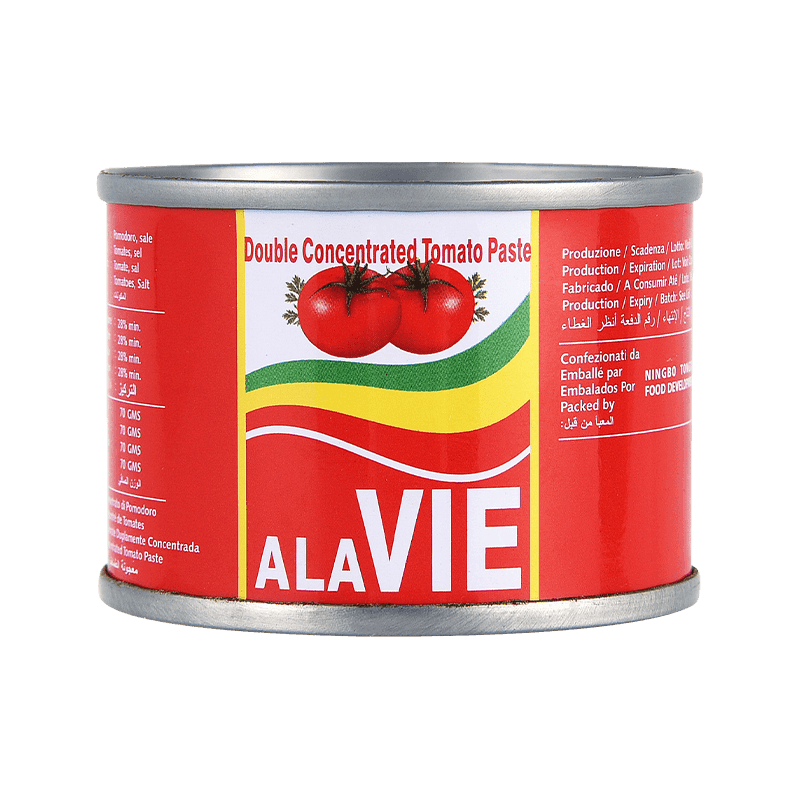
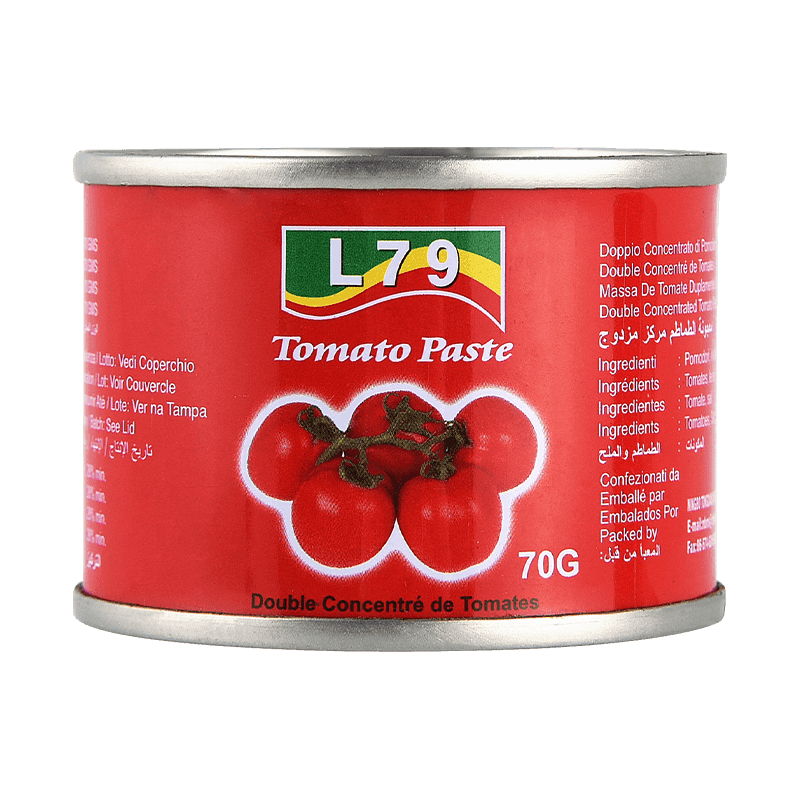
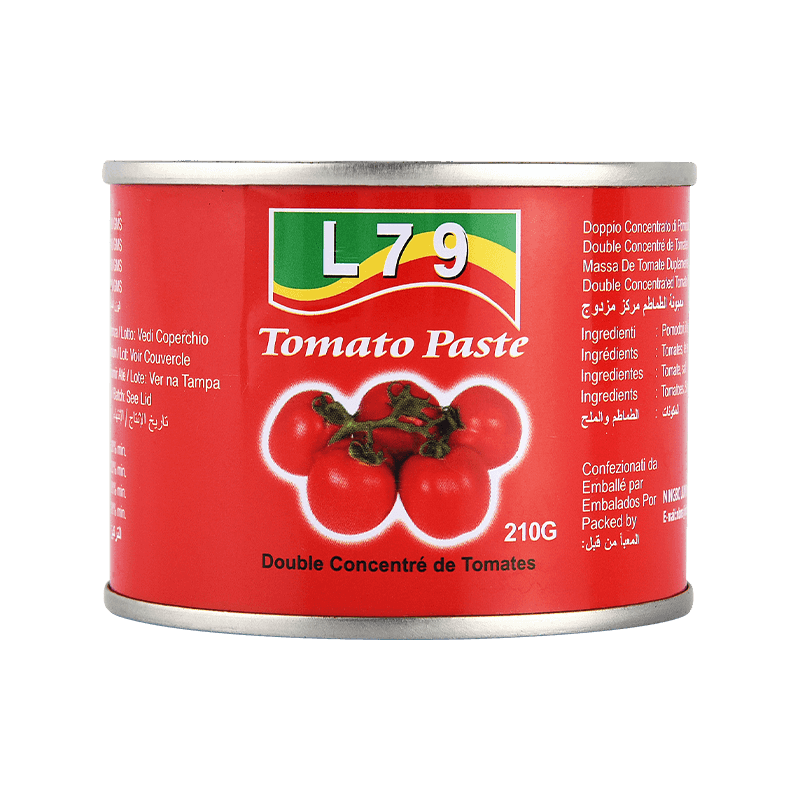
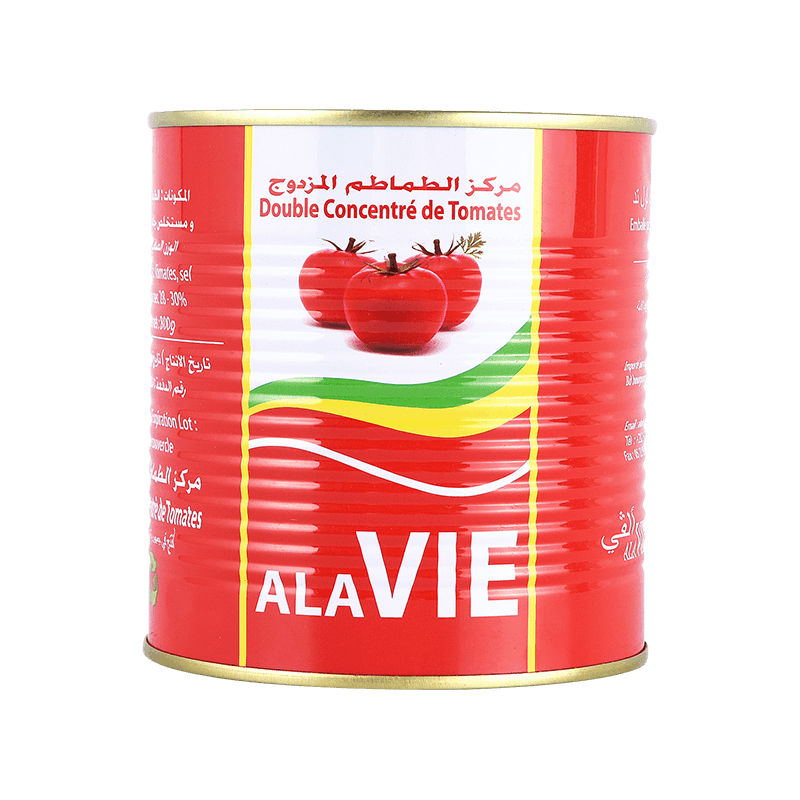
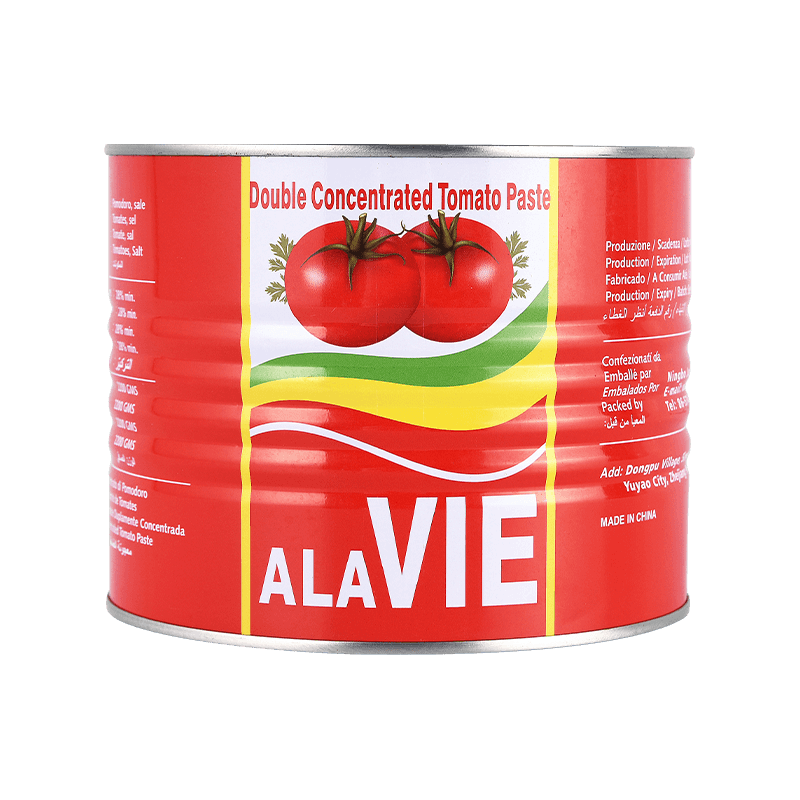
28% to 30% natural tomato solids. This is the iconic, most common tomato paste. It packs a rich, caramelized flavor. Found in 4.5-ounce cans and squeeze tubes, it is the default ingredient in stews, braises, and slow-cooked sauces. The FDA defines this as “tomato paste” with not less than 24% solids.
Triple Concentrate
36% to 40%+ natural tomato solids. Extremely thick, deep crimson, and intensely flavored. This type is widely used in food manufacturing, professional kitchens, and Mediterranean home cooking where a small amount delivers powerful umami without adding excess liquid.
Brix values directly translate to sugar concentration and mouthfeel intensity
The Brix scale measures grams of sugar per 100 grams of solution, and for tomato paste, it serves as a reliable proxy for total soluble solids. A standard double concentrate paste registers 28°Bx to 30°Bx, while triple concentrate pushes beyond 36°Bx. These numbers matter because they directly correlate with viscosity and flavor punch. A 2019 processing study published in the Journal of Food Processing and Preservation noted that increasing concentration from 18°Bx to 30°Bx amplifies the perceived umami intensity by nearly 45% due to the concentration of glutamic acid naturally present in tomatoes.
Table data based on USDA commercial item description for tomato paste and Codex CXS 57-1981 standard specifications.
Beyond the numbers, higher Brix pastes also exhibit a different thermal behavior. A triple concentrate paste can withstand higher frying temperatures without burning because less free water is present, making it ideal for sofrito bases where you want intense caramelization without steaming the aromatics. Chefs often fry triple concentrate in oil until it darkens to a brick-red shade, releasing fat-soluble lycopene and deepening the overall dish profile.
Tomato paste varieties differ by processing method: hot break versus cold break
All paste is concentrated, but the initial heat treatment during crushing creates two distinct flavor and texture profiles. This processing split matters more than many home cooks realize.
Hot break paste locks in viscosity and pectin
In a hot break process, fresh tomatoes are crushed and immediately heated to 85°C–95°C (185°F–203°F). This rapid heating deactivates the natural pectin-degrading enzymes, resulting in a thicker, more viscous final paste. According to a 2017 tomato processing review in Food Science and Technology International, hot break paste retains up to 70% more pectin than cold break versions. The flavor is smoother, rounder, and often described as cooked-tomato savory. Most canned double concentrate pastes use this method.
Cold break paste emphasizes fresh, bright acidity
With cold break processing, tomatoes are crushed at lower temperatures, around 65°C (149°F), or even macerated without immediate heating. Enzymes partially break down pectin, yielding a thinner, more pulpy consistency. The payoff is a vibrant, fresh-tomato flavor with noticeable acidity and a shorter finish. Cold break paste is less common at retail but sought after for delicate sauces where a lighter touch is preferred. It often appears in premium imported Italian tubes labeled “passata concentrata a freddo.”
Quick comparison: Hot break = thicker texture, deeper cooked flavor; Cold break = thinner body, brighter, more acidic tomato character. For hearty beef stew, choose hot break. For a quick seafood marinara, a cold break concentrate can make a difference.
Packaging shapes usage: tubes, cans, and jars each preserve paste differently
The container is not just a vessel; it dictates shelf life, portion control, and even how the paste browns during cooking. Understanding this helps you pick the right format for your kitchen rhythm.
- Squeeze tubes (double and triple concentrate): Ideal for precision. You can squeeze a tablespoon directly into a hot pan without dirtying a spoon. The airtight design minimizes oxidation, keeping paste fresh for weeks in the fridge. Italian double concentrate tubes dominate European home kitchens.
- Small cans (6 oz / 170 g): The American pantry staple. Cost-effective and perfect for recipes needing a whole can. However, once opened, the paste must be transferred to an airtight container and refrigerated—exposed metal can impart off-flavors. Use within 5 days for best quality.
- Glass jars (often triple concentrate): Found more in Mediterranean and Middle Eastern markets. The glass preserves flavor without any metallic interference, and the wide mouth allows spoon access. Jars are excellent for frequent, larger-volume users who finish the product within a month.
- Aseptic bulk bags: Primarily for industrial kitchens and pizzerias. These hold triple concentrate paste and are extremely shelf-stable before opening, offering the lowest cost per ounce.
Regional and specialty tomato paste distinctions add complexity
Beyond concentration levels, geographical origin and specific tomato cultivars introduce nuanced types. Italian doppio concentrato di pomodoro often starts from San Marzano or Roma tomatoes, which have fewer seeds and thicker flesh, resulting in a naturally sweeter paste. Turkish and Greek salça is typically a triple concentrate, slow-cooked with a touch of salt and sometimes sun-dried before finishing, giving it a smoky, almost roasted dimension. In North Africa, harissa can incorporate tomato paste as a base, but the pure paste itself is occasionally sold in a semi-dried, salted block that requires rehydration.
Production data from the World Processing Tomato Council indicates that approximately 38 million metric tons of processing tomatoes are grown globally each year, with a significant portion evaporated into paste. California alone produces around 95% of U.S. processing tomatoes, most of which become hot break double concentrate paste—the backbone of countless commercial sauces. Mediterranean triple concentrates, in contrast, often incorporate a small fraction of sun-dried tomato pulp to boost natural sweetness without adding sugar.
How to substitute between different tomato paste types
Recipes often assume double concentrate as the baseline. Substituting triple or single concentrate requires adjusting liquid and quantity. The rule of thumb is straightforward but must account for the dish's final consistency.
Substitution ratios derived from USDA solids-equivalent calculations; always taste and adjust.
Nutritional density shifts with concentration
Removing water doesn't just intensify flavor—it concentrates micronutrients. A 100-gram serving of double concentrate tomato paste contains about 4.5 mg of lycopene, the powerful antioxidant associated with reduced cardiovascular risk. Triple concentrate can exceed 6 mg per 100 grams. Researchers from a 2020 Nutrition & Metabolism review highlighted that cooking and concentrating tomatoes increases bioavailable lycopene by up to 164% compared to raw tomatoes. Additionally, potassium levels rise dramatically, with double concentrate offering around 1,014 mg per 100 g, making it a potassium-dense ingredient. Be mindful of sodium, as some paste products include added salt; unsalted versions give full control over seasoning.
Tomato paste versus tomato puree and tomato sauce: a structural comparison
Confusion often arises between these three pantry items. They are not interchangeable without recipe adjustments. Tomato paste is concentrated; tomato puree is lightly cooked, strained tomatoes with a solids content around 8% to 12%; tomato sauce is seasoned puree, often thinner. The table below clarifies the key differences.
Solids content based on FDA standards of identity and USDA commodity specifications.
Storage science: why tomato paste molds and how concentration helps
The water activity (aw) of tomato paste directly predicts its shelf life after opening. Double concentrate paste has an aw around 0.94–0.96, still susceptible to mold growth. Triple concentrate, with its higher solids, drops water activity closer to 0.91, modestly extending fridge life. Practical guidelines based on food safety research recommend keeping opened paste in a sealed glass container, topping with a thin layer of olive oil, and refrigerating. Under these conditions, double paste remains usable for up to 8 days, triple for 10–12 days. If any off-odor or visible mold appears, discard immediately—mycotoxins from mold can be heat-stable.
Frequently Asked Questions About Tomato Paste Types
Is triple concentrate always better than double concentrate?
Not necessarily. Triple concentrate provides a more intense tomato flavor per spoonful, but it can dominate delicate dishes. Double concentrate offers a balanced umami foundation without overwhelming other ingredients. For rich, long-braised meat dishes, triple shines. For a simple lentil soup, double is often more appropriate.
Can I make my own tomato paste at home?
Yes, and it will likely be a single or light double concentrate. Simmer strained tomato puree for several hours until it reduces to a thick paste. Most homemade versions reach around 18%–22% solids. This craft paste has a fresh, bright taste but lacks the deep caramelization that industrial vacuum evaporation achieves at precise temperatures.
Why does my tomato paste taste bitter or metallic?
Bitterness can arise from overcooking or scorching the paste in dry oil. Metallic notes usually come from storing opened paste in its original can. Acidic tomato paste can leach iron and tin from the can lining. Always transfer leftovers to a non-reactive glass or ceramic container to preserve clean flavor.
Does organic tomato paste have a different concentration?
Organic tomato paste comes in the same concentration tiers—double and triple. The primary difference lies in the agricultural practices used to grow the tomatoes. Organic double concentrate must adhere to certified organic standards regarding pesticide and fertilizer use, but its Brix and solids profile is identical to conventional paste of the same grade.
How do I properly fry tomato paste to build flavor?
Add double or triple concentrate to hot oil after softening aromatics like onion and garlic. Stir continuously for 60–90 seconds until the paste darkens one or two shades and smells sweet and caramelized. This step, known in Italian as soffritto with concentrate, develops immense depth before any liquid is added.
Choosing the right tomato paste type: a practical summary
Your selection should align with cooking method, desired intensity, and storage habits. Double concentrate in a tube offers the greatest versatility for most home cooks: precise dosing, easy refrigeration, and classic flavor. Triple concentrate in a jar suits those who frequently build deeply savory stews and tagines. Single concentrate works beautifully for fresh, fast sauces where a light tomato touch is the goal. By paying attention to Brix, processing method, and packaging, you transform a humble pantry staple into a precise flavor tool.
Every type of tomato paste—from a light single concentrate to a densely packed triple concentrate—starts from the same place: ripe, red tomatoes. The difference lies entirely in how much water is removed, at what temperature, and how it is preserved. Understanding these distinctions elevates everyday cooking with data-backed confidence.
 No.1 Tongqianqiao Road, Dongpu Village, Simen Town, Yuyao, Zhejiang Province
  nbms@nbtomato.com
