 EN
EN  English
 Français
 中文简体
中文简体

Tomato Paste in a Glass Jar: A Manufacturer's Guide
 2026.08.07
 Industry News
You have probably stood in the international aisle of a North American supermarket, spotted a small glass jar of tomato paste, and wondered if it was worth the higher price tag. A frequent discussion on cooking forums confirms this curiosity: glass jar tomato paste exists, but it is not the default packaging in every market. As a tomato paste manufacturer with full control over our supply chain—from over 2,000 acres of planting base to deep processing—we want to explain the real differences between glass, metal, and tube packaging, and help you decide which one belongs in your kitchen.
Content
What Is Tomato Paste in a Glass Jar, and Why Is It Hard to Find?
The short answer is yes, tomato paste in a glass jar is a real product, and it is more common in Europe, the Middle East, and parts of Asia than in North America. In the United States, the dominant packaging formats are metal cans and tubes, which often leaves consumers unaware that glass jars are even an option.
The reason for this regional difference is not about product quality. It is about logistics and consumer habit. Glass jars are significantly heavier than metal cans or flexible pouches of the same volume, which increases shipping costs and the carbon footprint of each unit. They also carry a higher risk of breakage during transport, which leads to product loss and potential safety concerns. Retailers and manufacturers in North America have built decades of supply chain infrastructure around metal cans, so changing that system is not a trivial decision.
There is also a product concentration factor. The tomato paste you find in each packaging type is not always identical. For instance, our double concentrated tomato paste has a different viscosity and usage profile than single-concentrated versions. Glass jars are often used for premium or specialty products, so the paste inside may be a different formulation than what you are used to in a can.
Glass Jar vs. Metal Can vs. Tube: How Packaging Affects Tomato Paste Quality
Packaging is not just a container; it is a protective system that determines how well the tomato paste survives from the factory to your dish. Here is a practical comparison across the five dimensions that matter most.
Packaging performance comparison for tomato paste storage and use
| Factor | Glass Jar | Metal Can | Tube |
|---|---|---|---|
| Oxygen barrier | Excellent when sealed | Excellent when sealed | Good, but re-sealing quality varies |
| Light exposure | Transparent; sensitive compounds may degrade | Opaque; fully protected | Usually opaque or UV-protected |
| Chemical reactivity | Inert; no reaction with acidic food | Requires protective internal coating | Food-grade materials; generally safe |
| Re-sealability after opening | Excellent; airtight lid | Poor; difficult to re-seal | Good; cap closes securely |
| Sustainability | Infinitely recyclable, but heavy to transport | Highly recyclable; lighter weight | Mixed materials; harder to recycle |
When it comes to oxygen barrier, an unopened glass jar and an unopened metal can perform almost identically. The critical difference appears after you open the product. A metal can cannot be properly re-sealed, so you have to transfer leftover paste to another container. A glass jar, on the other hand, has a screw-on lid that locks out air, which helps preserve flavor during refrigeration.
Light exposure is where transparent glass jars have a clear disadvantage. Tomato paste contains carotenoids and flavor compounds that are sensitive to light. A clear glass jar on a brightly lit supermarket shelf will slowly degrade these compounds, which can affect color and taste over time. Metal cans have an advantage here because they are completely opaque. This is why if you buy glass jar tomato paste, you should store it in a dark cupboard at home.
Chemical inertness is one of the strongest arguments for glass. Glass is completely non-reactive, so it will not interact with the natural acids in tomatoes. Metal cans need an internal polymer coating to prevent the acid from reacting with the metal; this coating technology has become very reliable in modern manufacturing. To understand the technical details behind this protection, read our explanation of how canned packaging maintains tomato paste freshness and quality.
Is the "No Metal Taste" Claim About Glass Jars Real?
The perception that glass jars avoid a "metallic taste" deserves a nuanced answer. There are two sources of this metallic flavor perception. The first is chemical: in a lower-quality metal can, the internal coating can be damaged during handling, allowing the acidic tomato paste to contact the metal directly. This produces a real chemical reaction that alters flavor. The second source is psychological: consumers who expect a metallic taste are more likely to perceive one, even when the can is perfectly intact.
Modern canning technology from reputable manufacturers uses robust internal coatings that prevent direct food-metal contact. If you buy from a brand that controls its own production line, the risk of metallic taste is very low. However, glass jars eliminate this debate entirely before opening. For consumers with sensitive palates, choosing a glass jar provides a "zero-risk" guarantee that is worth the higher price.
Storage and Shelf Life: How Long Does Tomato Paste in a Glass Jar Last?
Unopened, a glass jar of tomato paste will last as long as a metal can—typically 12 to 24 months—because both undergo the same high-temperature sterilization process. The glass material itself does not shorten or extend the unopened shelf life. What changes is the post-opening experience.
Once opened, the glass jar becomes the most convenient option. Its lid re-seals tightly, reducing air exposure and slowing the oxidation that causes flavor loss. Under refrigeration, a re-sealed glass jar can maintain good quality for 1 to 2 weeks. In comparison, an open metal can needs to be transferred to a separate container, which adds steps and increases the chance of bacteria introduction.
If you do not think you will use the paste within two weeks, your best option is to portion it out. Scoop the paste into an ice cube tray, freeze it, and then transfer the frozen cubes to a freezer bag. This method preserves quality for 3 to 6 months and lets you grab just the amount you need for a recipe.
Freezing Tomato Paste from a Glass Jar: Yes or No?
Here is a clear warning from a manufacturer's perspective: do not freeze a full glass jar of tomato paste. Liquid expands by about 9 percent when frozen, and this expansion can crack the glass or compromise the seal. Even if the jar does not break, the pressure can force air into the product, accelerating spoilage after you thaw it.
The safe approach is to freeze the paste in portions. Transfer the contents to silicone molds or ice cube trays, freeze until solid, and then store the cubes in a sealed freezer bag. This method works with any packaging format, not just glass jars. If you want a deeper comparison of storage times and best practices, see our guide on how long tomato paste lasts after opening.
How to Choose the Right Tomato Paste Packaging for Your Kitchen
There is no single "best" packaging because the right choice depends on how much you cook, how you store food, and what you value in a product. Let us walk through a decision framework based on your usage patterns.
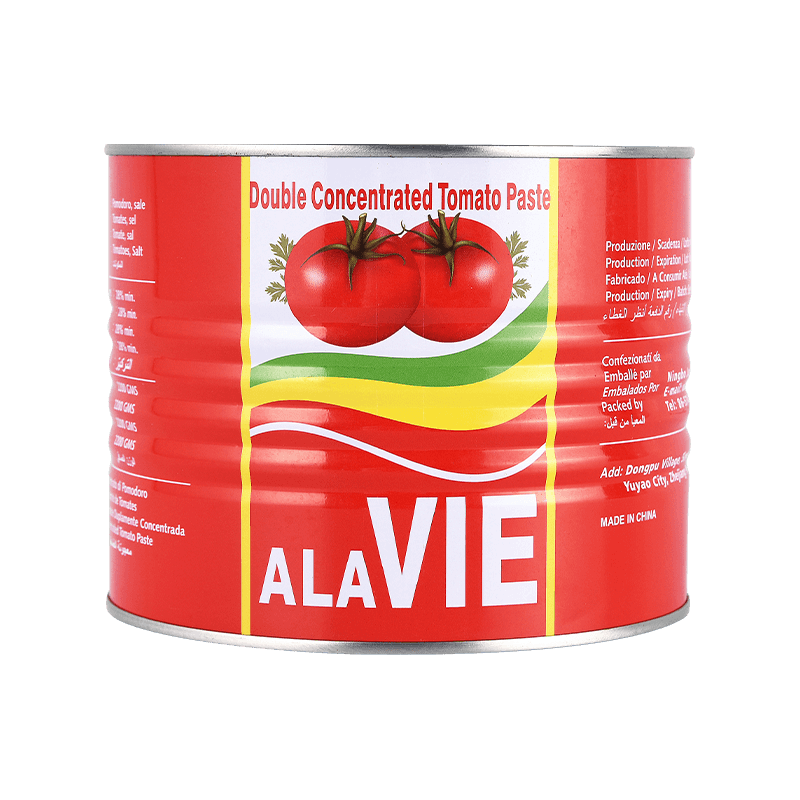
If you cook tomato-based dishes several times a week and use more than five tablespoons of paste weekly, a large metal can offers the best value per ounce. A standard 800g can is the workhorse for families and small restaurants. We offer easy-open canned tomato paste in sizes from 60g to 4500g, which gives you flexibility regardless of your typical batch size.
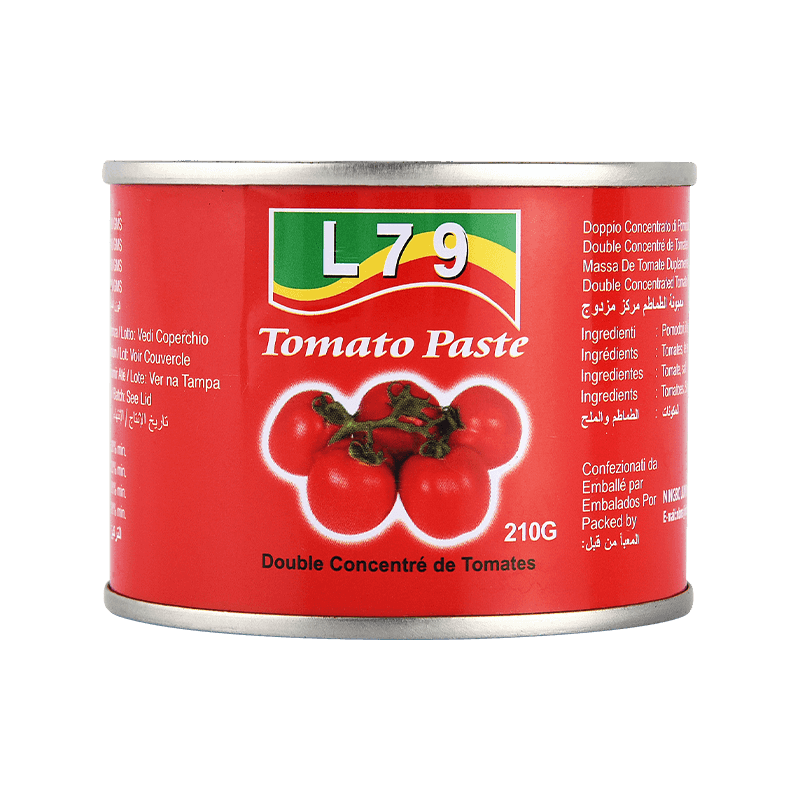
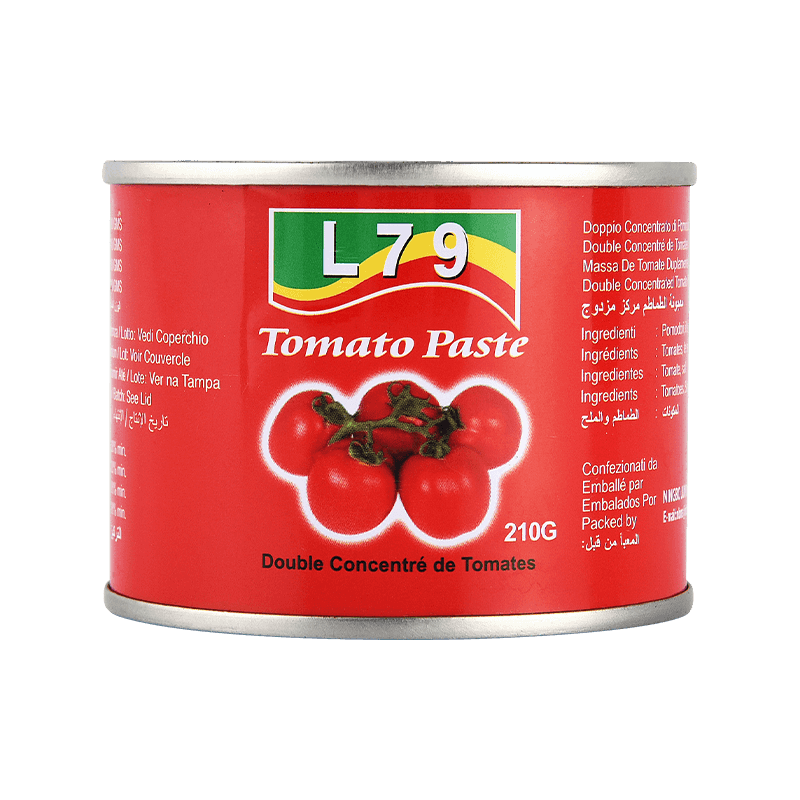
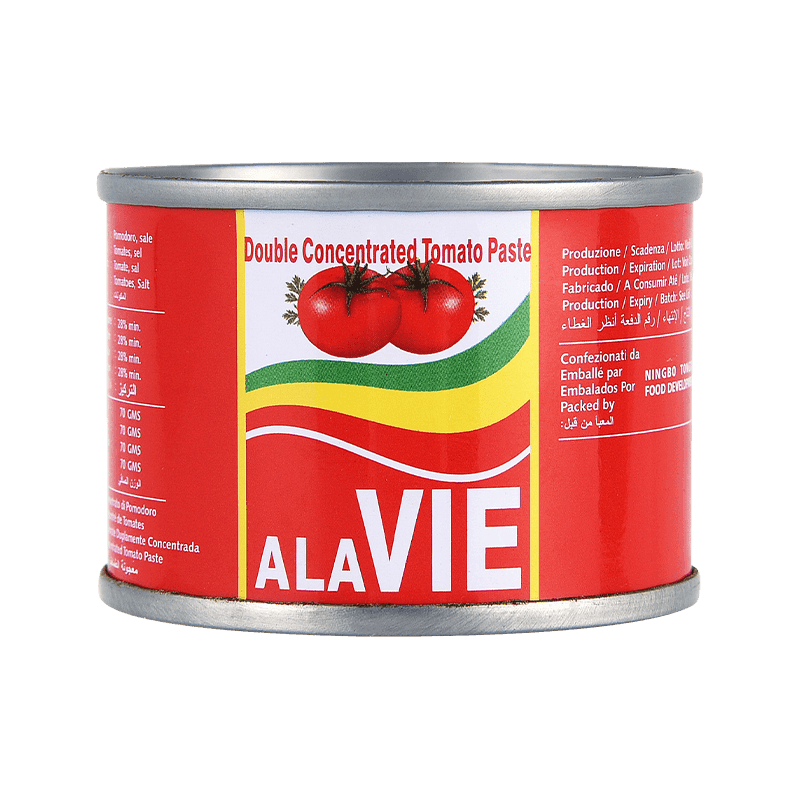 Canned Tomato Paste Manufacturer, Easy Canned Tomato Sauce FactoryAs a professional China OEM hard open canned tomato paste manufacturer and ODM easy canned tomato sauce factory, Ningbo Junyoufu Food Co....View Product →
For moderate users who cook with tomato paste a few times a month, a medium-sized glass jar is a sensible middle ground. It re-seals well, stays fresh in the refrigerator, and the glass jar can be repurposed for storing dried herbs, spices, or small hardware items after you finish the paste.
If you use tomato paste only occasionally—perhaps once a week or less—a tube is the most practical choice. Tubes dispense small amounts without introducing air or bacteria into the remaining product, and they take up minimal refrigerator space. Our in-depth analysis of why double concentrated tomato paste is often packed in tubes explains this dynamic in more detail.
Consider your storage conditions as well. If you have ample freezer space and are willing to portion out large containers, a big can or jar works well. If you have limited refrigerator room, choose smaller formats that do not require transfer to secondary containers. And if environmental impact drives your decisions, glass has the advantage of infinite recyclability and reusability, though its heavier weight means more emissions during transport.
Why Some Manufacturers (Including Us) Prefer Cans and Pouches
You may wonder why we do not produce tomato paste in glass jars ourselves. The honest answer is a combination of logistics, economics, and production efficiency.
Shipping weight is the biggest factor. Glass containers weigh significantly more than metal cans or flexible pouches per unit of product. This drives up freight costs and fuel consumption, which eventually makes the product more expensive for the consumer. Breakage risk is another concern: broken glass in transit creates both financial losses and potential safety hazards for handlers and retailers.
Production speed also matters. On our automated lines, we fill metal cans at speeds up to 800 cans per minute. Glass filling lines are typically slower because the bottles are more fragile and require gentler handling. This difference affects economies of scale, which ultimately influences pricing.
However, we believe the purpose of packaging is to protect the product, not to serve a specific aesthetic. Our cans and pouches are designed to meet the same freshness and safety standards that glass jars offer. If you value the convenience of re-sealable packaging without paying the premium for glass, our easy-open cans with their re-closable lids are a practical alternative. For those who prioritize environmental considerations, our metal cans are recyclable, and our flexible pouch line uses less material overall.
Expert Tips for Buying Tomato Paste in a Glass Jar
If you decide to try a glass jar product, here is a practical checklist to evaluate the jars you find at the store.
- Test the seal. Press the center of the lid. A vacuum-sealed jar will feel tight and will not pop or click. If the lid gives or makes a popping sound, the seal is broken and the product may be spoiled.
- Read the label carefully. Confirm you are buying concentrated paste, not tomato sauce or ketchup. The ingredient list should be short—ideally just tomatoes, and possibly salt or citric acid.
- Check the placement. For glass jars, choose bottles that have been stored away from direct light or consider buying from a store that rotates its stock frequently. Clear glass offers no protection against light degradation.
- Look for the production date. Fresher batches have brighter color and more robust flavor. Avoid jars with a production date more than a year in the past.
- Understand the product type. Imported jars may contain either "double concentrated" or "single concentrated" paste. Double concentrated paste has a thicker texture and more intense flavor, so you will need less of it in recipes.
Keep in mind that glass jars are not inherently healthier than cans or tubes. All three formats must meet the same food safety standards. The advantages of glass are its chemical inertness and re-sealability, while its disadvantages are light sensitivity and weight. A well-sealed metal can from a reputable manufacturer offers the same nutritional value and food safety as a glass jar, at a lower cost.
Related Products

Be the First to Know
For exclusive discounts and the latest offers, please enter your address and information below.

Products
Contact Information
-
 No.1 Tongqianqiao Road, Dongpu Village, Simen Town, Yuyao, Zhejiang Province
 -
 nbms@nbtomato.com
 -
 +86 574 62496080,
62496078
+86 13736048746 Daphne Zhou
+86 574 62496080,
62496078
+86 13736048746 Daphne Zhou
Copyright © Ningbo Junyoufu Food Co., Ltd. All Rights Reserved. Wholesale Tomato Paste Suppliers China Tomato Sauce Factory
浙ICP备2024135081号