
 EN
EN  English
 Français
 中文简体
中文简体


A standard serving of tomato paste (about 2 tablespoons or 33 grams) contains roughly 27 to 30 calories. Per 100 grams, you are looking at approximately 82 calories. However, the exact number of calories in tomato paste can shift slightly depending on the concentration level and whether salt or other seasonings have been added during processing. This intensely concentrated pantry staple delivers a powerful nutritional punch with very few calories, making it a secret weapon for health-conscious cooks everywhere.
Before we dive deep into the numbers, comparisons, and science, let us define exactly what we are discussing. Tomato paste is a thick, rich concentrate made by cooking tomatoes for several hours, straining out the seeds and skins, and then cooking the liquid again until it reduces dramatically. The result is a deep red, velvety ingredient that carries an enormous amount of flavor in a tiny package. Understanding the calories in tomato paste matters because this ingredient appears in cuisines across the globe, from Italian marinara sauces and North African tagines to Middle Eastern stews and Latin American rice dishes.
Content
- The Exact Nutritional Profile of Tomato Paste Per Serving
- Calories in Tomato Paste Across Different Packaging and Brands
- Tomato Paste Calories Compared to Other Tomato Products
- Why the Calories in Tomato Paste Work So Well for Weight Management
- Cooking Methods That Affect the Calories in Tomato Paste
- Low-Calorie Recipes That Use Tomato Paste Creatively
- The Sugar Question: Do the Calories in Tomato Paste Come from Added Sugar?
- Lycopene, Cooking, and the Hidden Value of Tomato Paste Calories
- Comparing Homemade Tomato Paste to Store-Bought in Terms of Calories
- Calories in Tomato Paste and Special Diets: Keto, Low-Carb, and More
- Storage Tips That Preserve Quality Without Adding Calories
- Frequently Asked Questions About Calories in Tomato Paste
- Do the calories in tomato paste change when I cook it?
- Is tomato paste healthier than fresh tomatoes if I only look at calories?
- How many calories in tomato paste from a tube versus a can?
- Can tomato paste help me feel full on fewer calories?
- Are there calories in tomato paste that I should worry about on a low-sodium diet?
The Exact Nutritional Profile of Tomato Paste Per Serving
A single 2-tablespoon serving of tomato paste provides very little fat, a modest amount of carbohydrates, and a small protein contribution, but it shines brightest in its vitamin and mineral content. According to data published by the United States Department of Agriculture in its FoodData Central database, the macronutrient breakdown for a 33-gram serving of canned tomato paste without added salt looks like this.
| Nutrient | Amount Per 33g Serving |
|---|---|
| Calories | 27 kcal |
| Protein | 1.4 g |
| Total Fat | 0.16 g |
| Carbohydrates | 6.3 g |
| Fiber | 1.4 g |
| Sugars | 4.0 g |
| Calcium | 12 mg |
| Potassium | 334 mg |
| Vitamin C | 7.2 mg |
| Lycopene | Approximately 16.7 mg |
Source: USDA FoodData Central, reference data for tomato paste, canned, without salt added. Lycopene value based on published analysis of processed tomato products.
The numbers tell a clear story. Nearly 85 percent of the calories in tomato paste come from carbohydrates, and of those carbohydrates, natural sugars make up a significant portion. Yet the glycemic load remains quite low because the serving size is so small. The potassium content, at 334 milligrams per 2 tablespoons, is particularly noteworthy. For context, a medium banana provides around 422 milligrams of potassium, yet the tomato paste serving comes with roughly a tenth of the calories.
Calories in Tomato Paste Across Different Packaging and Brands
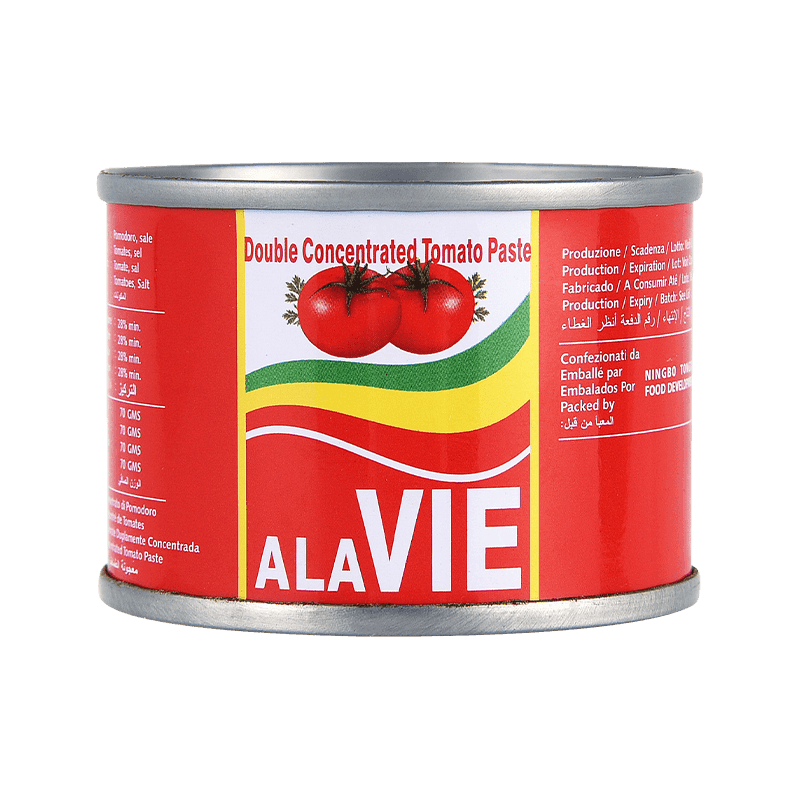
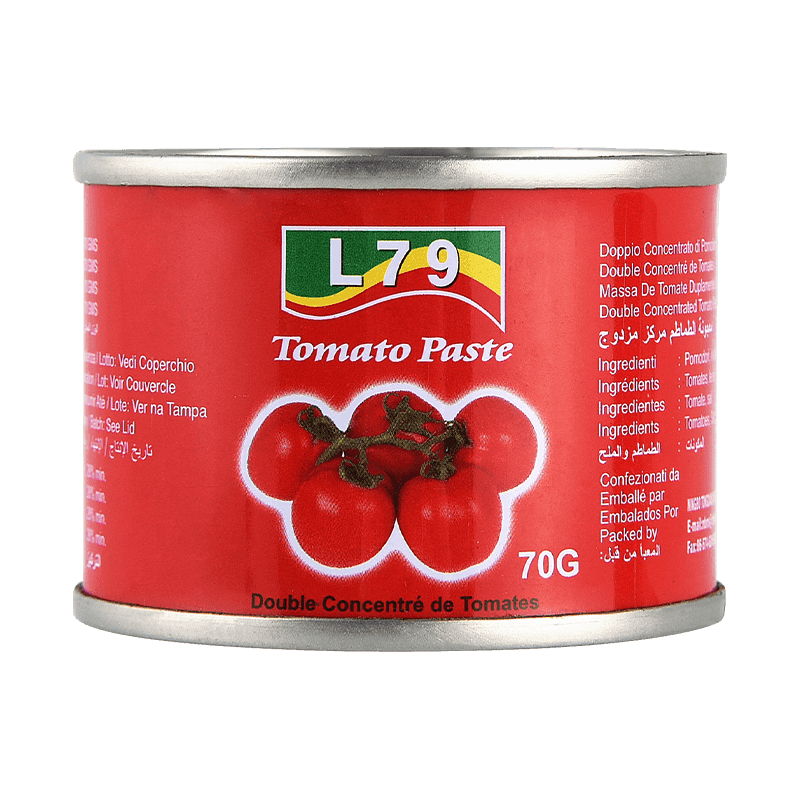
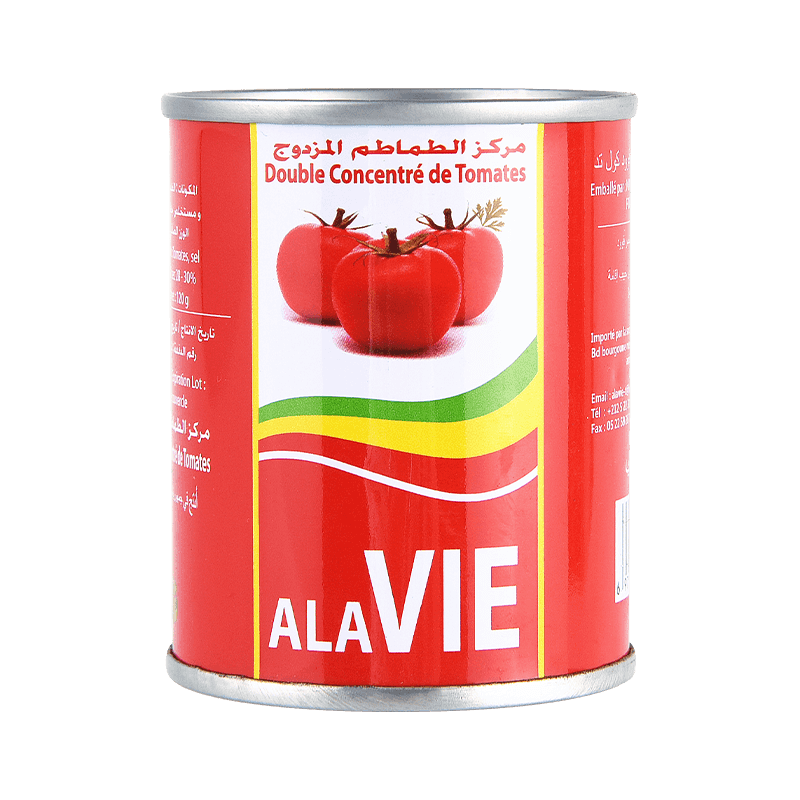
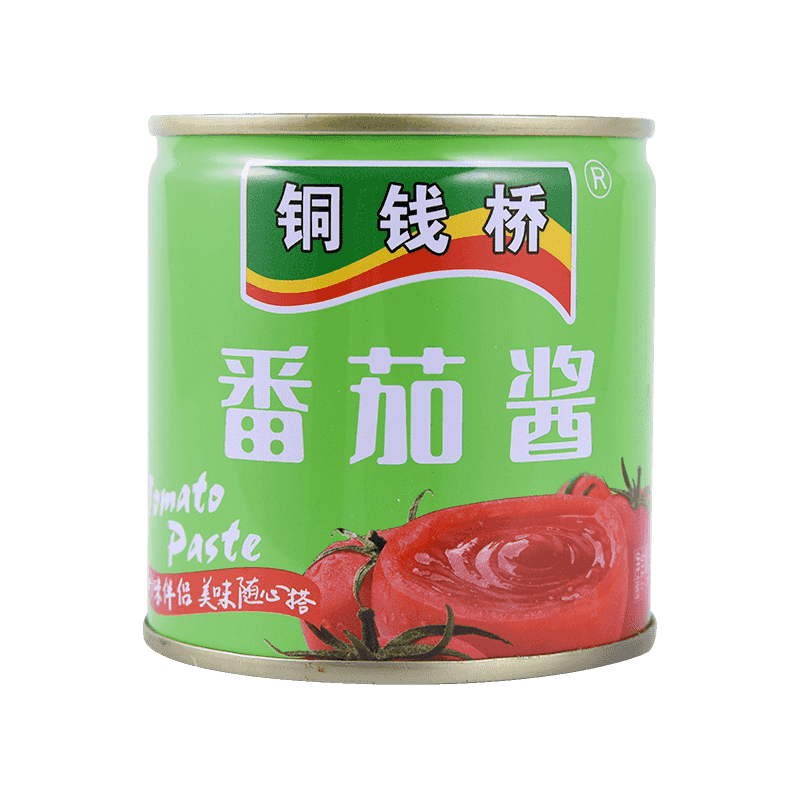
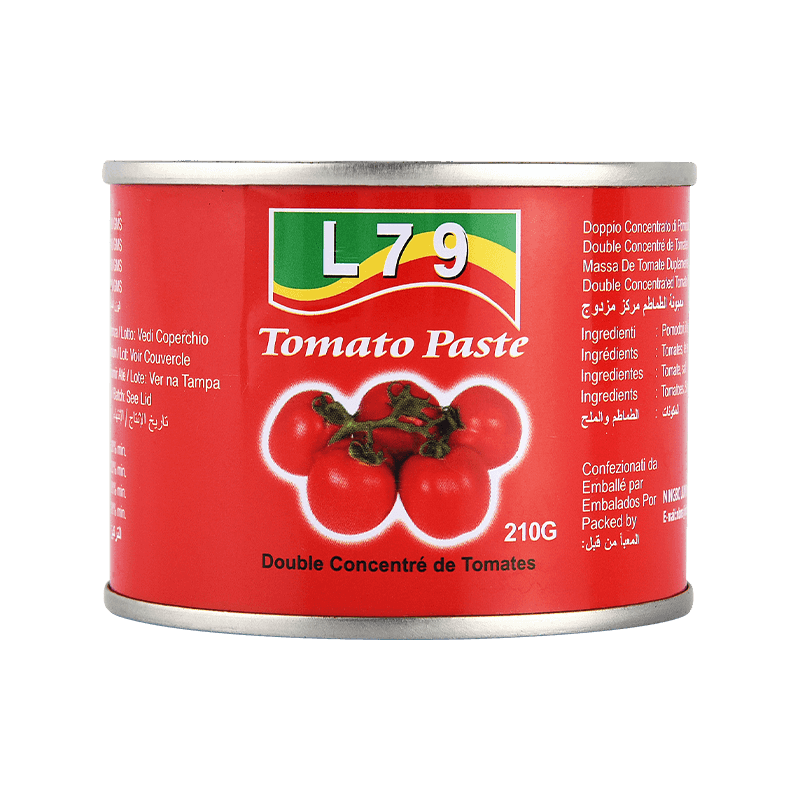
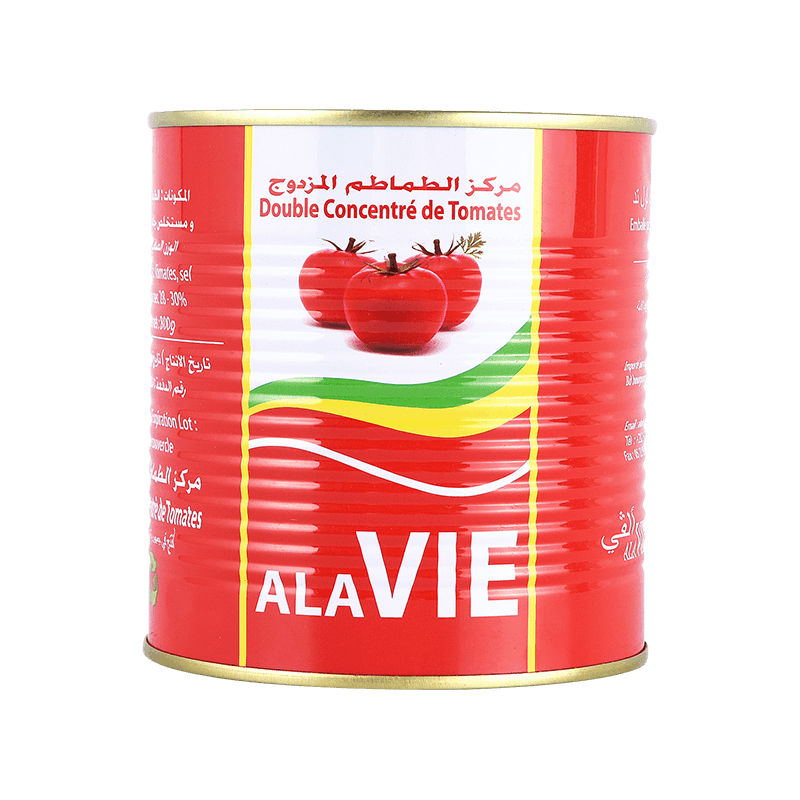
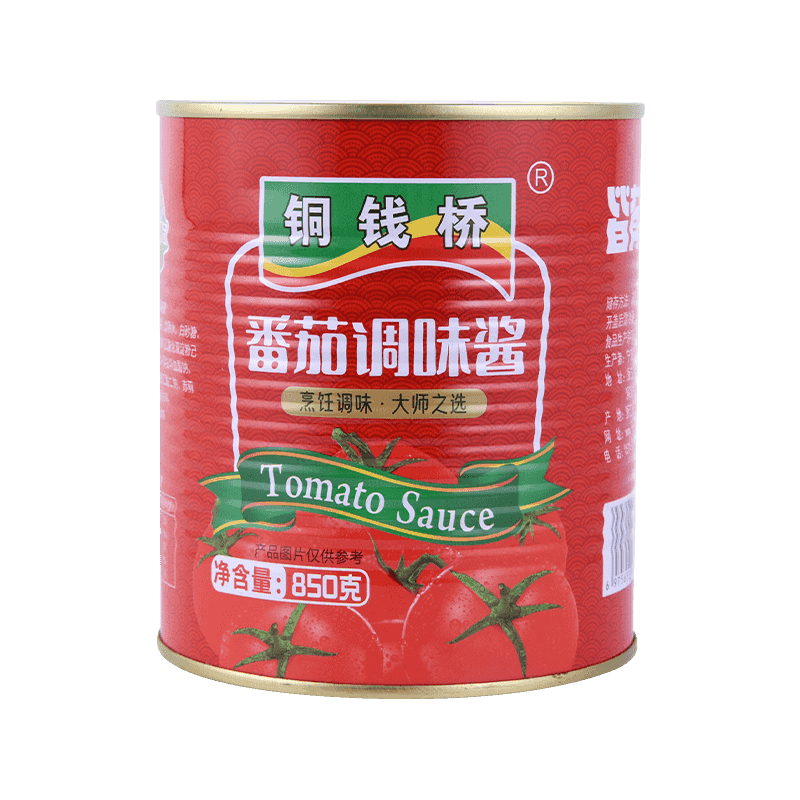
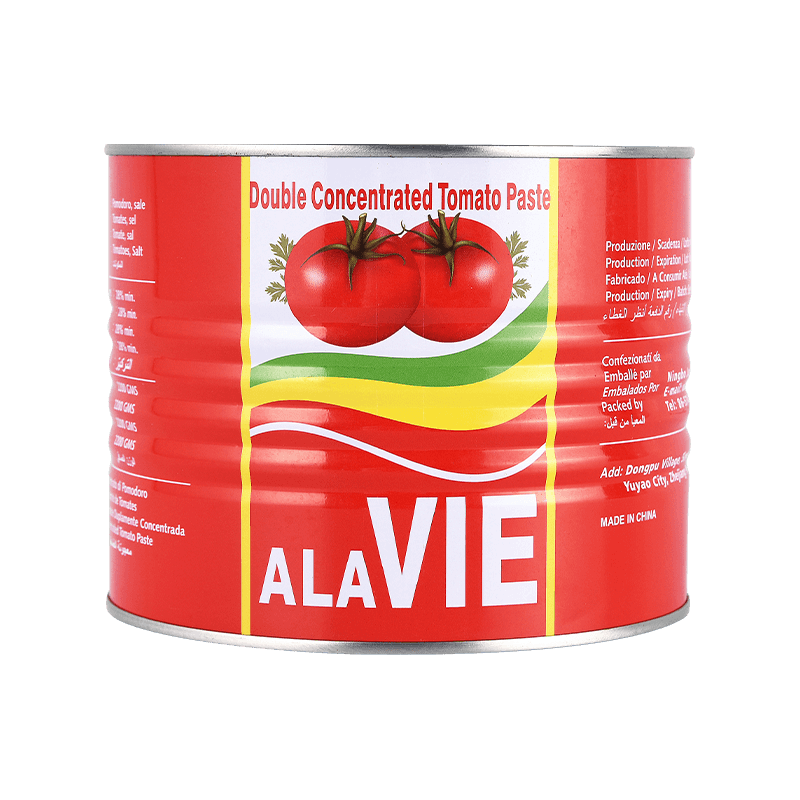
Not all tomato paste products deliver the same calorie count because concentration levels, added ingredients, and packaging methods create genuine nutritional differences that you can see on the label. The three main formats you will encounter in a grocery store are the classic small can, the squeezable tube, and the jarred double-concentrated variety. Each format has a slightly different water content, which directly affects the calorie density per gram.
Canned Tomato Paste Versus Tube Tomato Paste
Canned tomato paste in the United States typically contains between 80 and 85 calories per 100 grams, while tube versions imported from Italy or Turkey often list slightly higher numbers, sometimes reaching 88 to 92 calories per 100 grams, because they are concentrated even further to achieve a thicker, more luxurious texture. The difference per tablespoon is minimal, usually no more than 1 or 2 calories, but it is worth noting if you are tracking every single calorie meticulously.
| Product Format | Calories Per 100g | Typical Additives |
|---|---|---|
| Canned (Standard U.S.) | 80 to 85 kcal | Salt, sometimes citric acid |
| Tube (Italian Double Concentrate) | 88 to 95 kcal | Salt |
| Tube (Triple Concentrate) | 95 to 105 kcal | Salt |
| Organic Jarred | 82 to 88 kcal | Often salt-free, may contain olive oil |
Comparison data collected from publicly available nutrition labels across multiple retail brands in the United States and European Union markets, as of 2025.
The tube format, while slightly more calorie-dense per gram, solves a major problem that home cooks have complained about for decades. You squeeze out exactly the amount you need, reseal the tube, and store it in the refrigerator. This means less food waste, and from a calorie perspective, it means you are more likely to use exactly one tablespoon and not accidentally scoop out two or three from a can you feel pressured to finish. The practical impact on your daily calorie intake might actually be lower with the tube because portion control becomes so much easier.
Tomato Paste Calories Compared to Other Tomato Products
When placed side by side with other tomato-based ingredients, tomato paste emerges as the most calorie-dense option per gram because it has had the most water removed, but it also delivers the most intense flavor, meaning you use far less of it in any given recipe. A quarter cup of tomato sauce might add 20 calories to your dish, while just one teaspoon of tomato paste can provide a similar depth of savory richness for only about 5 calories. This concentration factor is what makes understanding the calories in tomato paste so valuable for anyone who loves cooking but also cares about energy balance.
| Tomato Product | Calories Per 100g | Water Content | Lycopene Per 100g |
|---|---|---|---|
| Fresh Raw Tomato | 18 kcal | Approximately 95% | 2.6 mg |
| Tomato Sauce (Canned) | 24 kcal | Approximately 91% | 10.0 mg |
| Crushed Tomatoes | 32 kcal | Approximately 89% | 5.5 mg |
| Tomato Paste | 82 kcal | Approximately 74% | 50.0 to 76.0 mg |
| Sun-Dried Tomatoes (Packed in Oil) | 213 kcal | Approximately 15% | 45.0 mg |
Water content approximations based on USDA and European food composition databases. Lycopene ranges reflect published analyses showing significant variation based on tomato variety and processing method.
The lycopene column in that table deserves a moment of your attention. Lycopene is the carotenoid pigment that gives tomatoes their red color and has been studied extensively for its potential role in reducing oxidative stress. Research published in the Journal of Agricultural and Food Chemistry has demonstrated that processing tomatoes into tomato paste actually increases the bioavailability of lycopene by breaking down cell walls and making this fat-soluble antioxidant easier for the human body to absorb. When you consume tomato paste, you are getting a significantly more concentrated dose of lycopene per calorie than you would from eating an equivalent number of calories from fresh tomatoes.
Why the Calories in Tomato Paste Work So Well for Weight Management
The modest number of calories in tomato paste represents an extraordinary bargain when you consider the flavor return on investment, and this calorie-to-flavor ratio makes it an exceptional tool for anyone trying to reduce their overall energy intake without feeling deprived. Research on satiety and food reward suggests that meals with rich, complex, umami-forward flavors tend to be more satisfying than bland, low-fat alternatives that leave people reaching for snacks an hour later. Tomato paste, with its naturally occurring glutamates that trigger that savory fifth taste, delivers satisfaction in a way that plain water-based broths simply cannot.
Consider a practical example from everyday cooking. A tablespoon of olive oil contains approximately 119 calories. If you typically start a soup or stew by sautéing vegetables in two tablespoons of oil, you have added about 238 calories from fat alone. By blooming a tablespoon of tomato paste in just one teaspoon of oil instead, you cut roughly 200 calories from the dish while intensifying its savory depth. The tomato paste itself contributes only about 14 calories. This technique, known as "toasting" or "frying" the paste, caramelizes its natural sugars and creates complex flavor compounds through the Maillard reaction, all while keeping the calorie count remarkably low.
Satiety and the Umami Factor in Tomato Paste
Studies examining umami-rich foods have found that they can prolong the feeling of fullness after a meal, and tomato paste, being one of the most concentrated natural sources of glutamates in the plant kingdom, fits perfectly into this framework. A 2017 review published in the American Journal of Clinical Nutrition noted that umami taste receptors in the gut may play a role in protein digestion signaling, potentially telling the brain that a nutritionally adequate meal has been consumed. While research in this area is still evolving, the practical takeaway is clear. Adding a tablespoon of tomato paste to your lentil soup, bean chili, or vegetable stew costs you around 14 calories and may help you feel more satisfied with your meal overall.
Cooking Methods That Affect the Calories in Tomato Paste
The number of calories in tomato paste does not change during cooking because calories are a measure of the potential energy stored in the chemical bonds of carbohydrates, proteins, and fats, and heat does not destroy energy, though it can cause some water to evaporate, which slightly concentrates the calories per gram in the finished dish. What can change dramatically, however, is how many additional calories end up in your meal based on the cooking technique you choose. The method you use to incorporate tomato paste into a recipe determines whether it remains a lean flavor booster or becomes part of a higher-calorie preparation.
| Cooking Technique | Added Calories from Oil or Fat | Best Used For |
|---|---|---|
| Blooming in 1 tsp oil | Approximately 40 kcal | Soups, stews, braised dishes |
| Stirring directly into liquid | 0 additional kcal | Long-simmering sauces, chilis |
| Caramelizing with onions in 1 tbsp oil | Approximately 119 kcal | Curries, tagines, sofrito bases |
| Brushing on roasted vegetables | Minimal, from paste alone | Sheet pan dinners, roasted cauliflower |
Calorie additions calculated using standard USDA values for common cooking oils, specifically olive oil at 119 kcal per tablespoon.
Blooming tomato paste in a tiny amount of hot oil, sometimes called "toasting the paste," transforms its flavor from raw and slightly tinny to deeply caramelized and rich. This step adds approximately 40 calories from a teaspoon of olive oil, a small price for the dramatic improvement in taste. If you are working within an extremely tight calorie budget, simply whisking the paste directly into simmering broth or water works perfectly well nutritionally, though you will miss some of the caramelized complexity that makes the dish taste restaurant-quality.
Low-Calorie Recipes That Use Tomato Paste Creatively
Building entire meals around the low calories in tomato paste allows you to enjoy rich, comforting food while easily maintaining a calorie deficit, and the following applications go far beyond the typical pasta sauce. Each idea starts with the understanding that one heaping tablespoon of tomato paste costs you roughly 14 to 15 calories yet can flavor an entire pot of food.
- Tomato Paste Vegetable Soup Base: Sauté one chopped onion and two minced garlic cloves in a teaspoon of oil until soft. Add 2 tablespoons of tomato paste and cook for 90 seconds until it darkens slightly. Pour in 6 cups of water or vegetable broth, add chopped carrots, celery, zucchini, and a can of white beans. Total calories for the entire pot, including the tomato paste, come in under 450, and the pot yields four generous servings at around 110 calories each.
- Quick Shakshuka for One: In a small nonstick skillet, combine half a cup of water with 1 tablespoon of tomato paste, a pinch of cumin, and a pinch of smoked paprika. Bring to a simmer, crack one egg into the mixture, cover, and cook until the white is set. This entire breakfast or light dinner contains roughly 90 calories and feels indulgent.
- Marinara-Style Vegetable Dip: Mix 2 tablespoons of tomato paste with 3 tablespoons of water, a drizzle of balsamic vinegar, dried oregano, and a tiny pinch of garlic powder. The resulting dip contains about 28 calories for the entire batch and pairs beautifully with raw bell pepper strips and cucumber slices.
- Lentil and Tomato Paste Stew: Brown a tablespoon of tomato paste in a dry pot until it sticks slightly, then add water, dried lentils, bay leaves, and a splash of vinegar. The paste provides all the savory backbone this dish needs, and a large bowl comes to about 250 calories with a significant amount of fiber and protein.
The Sugar Question: Do the Calories in Tomato Paste Come from Added Sugar?
A common concern among shoppers scanning nutrition labels is whether the calories in tomato paste come from added sugars, and the straightforward answer is that for pure, unadulterated tomato paste, all the sugar content is naturally occurring fructose and glucose from the tomatoes themselves. Tomatoes are botanically a fruit, and as they cook down and concentrate, their natural sugars become more prominent on a per-gram basis. The 4 grams of sugar per 2-tablespoon serving of tomato paste are inherent to the tomato, not spooned in during processing.
You should, however, read labels carefully because some manufacturers do produce seasoned tomato paste products that include added sugar, high-fructose corn syrup, or other sweeteners. These products will have a higher calorie count and should not be confused with standard tomato paste. The ingredient list for plain tomato paste should read simply "tomatoes" and possibly "salt" or "citric acid." If you see sugar, cane syrup, or any sweetener listed, the product is a seasoned variety and the calories in tomato paste of that specific brand will be higher than the baseline numbers we have discussed.
Lycopene, Cooking, and the Hidden Value of Tomato Paste Calories
Focusing exclusively on the calories in tomato paste misses a larger nutritional narrative, which is that these calories carry a payload of bioactive compounds that are more bioavailable than those found in fresh tomatoes. A landmark study published in the International Journal of Food Sciences and Nutrition compared the lycopene absorption from fresh tomatoes versus tomato paste and found that the body absorbed approximately 2.5 times more lycopene from the paste. The heating and mechanical processing break down cell walls and transform lycopene into a configuration that intestinal cells can uptake more readily.
Furthermore, lycopene is fat-soluble, which means that the small amount of oil used when blooming tomato paste in a pan actually enhances the absorption of this antioxidant. The approximately 40 calories from that teaspoon of olive oil serve a dual purpose. They improve the flavor of the dish and simultaneously increase your body's ability to use the lycopene. When you evaluate the calories in tomato paste from this holistic perspective, they start to look less like empty energy and more like a delivery system for valuable phytonutrients.
Comparing Homemade Tomato Paste to Store-Bought in Terms of Calories
Making tomato paste from scratch in a home kitchen produces a product that is generally less concentrated than commercial versions, which means the homemade version often contains slightly fewer calories per tablespoon because it retains more water. Commercial producers use industrial evaporators and vacuum concentration methods that remove water far more efficiently than a home oven or stovetop can. The result is that a tablespoon of homemade tomato paste might clock in at 18 to 22 calories, while the same volume of a commercial product provides 27 to 30 calories.
However, the flavor intensity also differs. You may need to use more homemade paste to achieve the same depth of taste, which potentially cancels out any calorie savings. The following list outlines the basic process and its impact on nutritional content.
- Oven Method: Spread pureed, strained tomatoes on a baking sheet and bake at a low temperature, around 300 degrees Fahrenheit, for 3 to 4 hours, stirring occasionally. Water loss is gradual, and the final calories in tomato paste made this way typically land around 20 kcal per tablespoon.
- Stovetop Reduction: Simmer strained tomato puree in a wide, heavy-bottomed pot for 2 to 3 hours, stirring frequently to prevent scorching. This method yields a slightly thicker paste with approximately 22 to 24 kcal per tablespoon.
- Slow Cooker Method: Leave the lid slightly ajar and cook strained tomato puree on low for 8 to 10 hours. The extended, gentle heat produces a paste very close to commercial concentration, with roughly 25 to 27 kcal per tablespoon.
Calories in Tomato Paste and Special Diets: Keto, Low-Carb, and More
The relatively low carbohydrate count of tomato paste, approximately 6.3 grams per 2 tablespoons with 1.4 grams of fiber, means it fits comfortably into many popular diet frameworks, though portion size must be respected because the carbs can add up if you use large amounts. For someone following a ketogenic diet with a strict daily carbohydrate limit of 20 to 30 grams, a single serving of tomato paste uses about 5 net carbs, which is significant but manageable if the rest of the day's meals are planned carefully.
| Diet Type | Compatibility with Tomato Paste | Recommended Daily Limit | Key Consideration |
|---|---|---|---|
| Keto (Under 30g net carbs) | Compatible in small amounts | 1 to 2 tablespoons | Count the 5g net carbs per serving |
| Low-Carb (Under 100g) | Very compatible | Up to 4 tablespoons | Great for flavor without many carbs |
| Mediterranean | Excellent fit | No practical limit | A core ingredient in the pattern |
| Low-FODMAP | Compatible in tested amounts | 2 tablespoons (42g) | Per Monash University guidelines |
| Whole Food Plant-Based | Excellent fit | No practical limit | Choose salt-free versions |
Low-FODMAP serving size reference comes from Monash University FODMAP Diet App data. Other recommendations represent general nutritional consensus based on macronutrient profiles.
Storage Tips That Preserve Quality Without Adding Calories
Once you open a can of tomato paste, you face a familiar dilemma: the recipe called for only a tablespoon or two, and the rest of the can sits in the refrigerator waiting to be used, often developing mold before you get to it. Freezing tomato paste in pre-portioned tablespoon-sized dollops on a parchment-lined sheet pan and then transferring the frozen pucks to a freezer bag solves this problem elegantly, adds zero additional calories, and ensures you always have exactly one serving ready to drop into a hot pan.
Some cooks pour a thin layer of olive oil over the surface of leftover tomato paste in a jar before refrigerating it, believing this prevents spoilage. This method does create an oxygen barrier, but it also adds approximately 119 calories per tablespoon of oil used, and those calories do not stay neatly on top. They mix into the paste as you scoop from the jar, subtly increasing the calories in tomato paste you consume over the next several days. The freezing method avoids this entirely and keeps your tracking accurate.
Frequently Asked Questions About Calories in Tomato Paste
Do the calories in tomato paste change when I cook it?
The total number of calories remains constant when you cook tomato paste because heat does not destroy the chemical bonds that store energy in carbohydrates, proteins, and fats. However, if you cook the paste in oil, the overall calorie count of the dish increases because the paste absorbs some of the cooking fat. Additionally, if you cook tomato paste until it darkens significantly and some water evaporates, the calories per gram will increase slightly, but the total calories in the pan will not change. A tablespoon of paste that originally had 14 calories still has 14 calories after cooking, though it may now weigh slightly less due to moisture loss.
Is tomato paste healthier than fresh tomatoes if I only look at calories?
Comparing tomato paste to fresh tomatoes purely on the basis of calories does not provide a complete picture of healthfulness. Fresh tomatoes contain far more water and fewer calories per gram, making them excellent for hydration and volume eating. Tomato paste delivers more concentrated nutrients, including significantly more bioavailable lycopene, per calorie consumed. Nutrition researchers often describe them as complementary rather than competing foods. A salad with fresh cherry tomatoes and a stew enriched with a tablespoon of tomato paste provide different but equally valuable nutritional benefits.
How many calories in tomato paste from a tube versus a can?
Tube tomato paste, especially the double-concentrated varieties common in European imports, typically contains between 88 and 95 calories per 100 grams, while standard American canned tomato paste contains between 80 and 85 calories per 100 grams. Per tablespoon, the difference amounts to roughly 1 to 3 additional calories. The practical difference is negligible for most people, and the convenience and reduced waste of the tube format may outweigh the tiny calorie difference for those who cook in small batches.
Can tomato paste help me feel full on fewer calories?
Evidence from culinary science and emerging nutrition research suggests that the umami compounds concentrated in tomato paste may enhance satiety signaling, helping you feel satisfied with less food. The intense savory flavor signals to your brain that the meal is rich and substantial, which can reduce the desire to overeat or snack shortly after eating. A bowl of vegetable soup made with a tablespoon of tomato paste often feels more like a complete meal than a similar soup made with only water and vegetables, even when the calorie counts are nearly identical.
Are there calories in tomato paste that I should worry about on a low-sodium diet?
The calories themselves are not the concern for someone on a low-sodium diet; the sodium content is. Many canned tomato paste products contain added salt, with sodium levels reaching 100 to 200 milligrams per serving. The calories in tomato paste remain the same whether salt is added or not, but you should seek out no-salt-added varieties if you are monitoring your sodium intake. These products deliver the same 27 to 30 calories per serving without the extra sodium, and the flavor difference is minimal once the paste is cooked into a dish with other seasonings.
 No.1 Tongqianqiao Road, Dongpu Village, Simen Town, Yuyao, Zhejiang Province
  nbms@nbtomato.com
