
 EN
EN  English
 Français
 中文简体
中文简体


Yes, you can use tomato paste for pizza. It is one of the fastest ways to build a deeply flavored sauce, but you cannot spread it straight from the can. You need to loosen it with water, balance its salt and acidity, and season it before applying it to the dough. The payoff is a thick, concentrated red sauce that holds its texture under cheese and crisps up nicely in a hot oven.
Tomato paste is not a ready-to-use pizza sauce; it is a concentrated ingredient. Because the tomatoes are cooked down and much of the moisture is removed, the paste carries a remarkably deep umami punch. That is exactly why pizzerias that want a robust tomato flavor often keep tomato paste in their prep station.
Content
- Why Tomato Paste Works on Pizza (and What to Watch Out For)
- The Basic Ratio for Making Pizza Sauce from Tomato Paste
- Adjusting the Sauce to Your Dough
- Should You Cook the Sauce or Leave It Raw?
- Tomato Paste vs. Pizza Sauce: What’s the Real Difference?
- How to Choose the Right Tomato Paste for Pizza
- What About Canned Tomato Paste?
- FAQ
Why Tomato Paste Works on Pizza (and What to Watch Out For)
Tomato paste works on pizza because it delivers an intense tomato flavor without adding excess water, which is the leading cause of a soggy crust. That low moisture means the sauce stays put, the dough stays crisp, and the flavor remains concentrated through the entire bake.
However, using it straight has real downsides:
- The flavor runs overly sharp and can taste metallic if you eat it raw.
- Store-bought paste often includes salt, which may push the sauce over the top once you reduce more liquid.
- The texture is like thick mortar, not spreadable sauce, so it is hard to distribute evenly.
The solution is simple: dilute it, add a fat like olive oil, and season it with garlic, oregano, salt, and a tiny pinch of sugar or balsamic vinegar if needed.
The Basic Ratio for Making Pizza Sauce from Tomato Paste
The most reliable starting ratio is 1 part tomato paste to 2 parts water, then add olive oil and seasonings to taste. That gives you a medium-thick sauce that spreads easily and still has enough body to stay put under cheese.
Use the table below as a starting point, then adjust based on your crust and oven temperature.
| Target texture | Paste : Water | Olive oil (per 100 g paste) | Result |
|---|---|---|---|
| Thick, Sicilian-style | 1 : 1 | 1 tbsp | Spreads like jam; great for thick crust and heavy cheese |
| Classic round pizza | 1 : 2 | 1 tbsp | Balanced and moist; holds flavor without making dough wet |
| Thin or New York-style | 1 : 3 | 1 tbsp | Lighter and brighter; dries out slightly as the crust bakes |
If you are using why double concentrated tomato paste is more suitable for making pizza sauce, treat the ratios above as conservative. Double concentrate has less moisture and more flavor, so you may need a little more water than the table suggests.
Adjusting the Sauce to Your Dough
The ideal thickness should match the type of crust and the amount of cheese you plan to use. A thick, airy crust can carry a dense sauce, while a thin cracker-like crust needs a lighter, more liquid sauce so the paste does not taste bitter.
As a general sourcing guideline: if you are using 200 g of mozzarella, aim for a medium sauce; if you are using more cheese, keep the sauce thinner because cheese releases moisture. For a homemade pan pizza, a thicker sauce helps the edge rise without becoming watery.
Should You Cook the Sauce or Leave It Raw?
You can use a no-cook version, but sautéing the tomato paste in oil for one or two minutes makes a noticeably richer sauce. This fast step caramelizes the sugars in the tomato concentrate and rounds out the acidity.
- Heat a little olive oil in a pan over medium heat.
- Add the tomato paste and stir constantly for 1–2 minutes, until it darkens slightly.
- Remove from heat, whisk in water, then add seasonings.
If you are in a hurry, the raw version still works. Just let the sauce stand for 10 minutes before spreading, so the paste absorbs the water and the flavors come together.
Tomato Paste vs. Pizza Sauce: What’s the Real Difference?
The main difference is that pizza sauce is a ready-to-spread condiment, while tomato paste is an ingredient that needs to be built into one. Here is a quick comparison so you know exactly what you are working with.
| Factor | Tomato paste | Ready pizza sauce |
|---|---|---|
| Acidity level | Higher, often needs balance | Already balanced for everyday use |
| Moisture content | Very low | Noticeably higher |
| Flavor concentration | Extremely high | Milder |
| Preparation needed | Must be diluted, oiled, and seasoned | Spread and bake |
| Salt and sugar | Depends on brand | Usually pre-seasoned |
How to Choose the Right Tomato Paste for Pizza
For pizza sauce, look for double-concentrated tomato paste with no added sugar, so you have full control over the final flavor. Check the ingredient label; a good paste lists tomatoes as the primary ingredient and stays free of unnecessary syrups or thickeners.
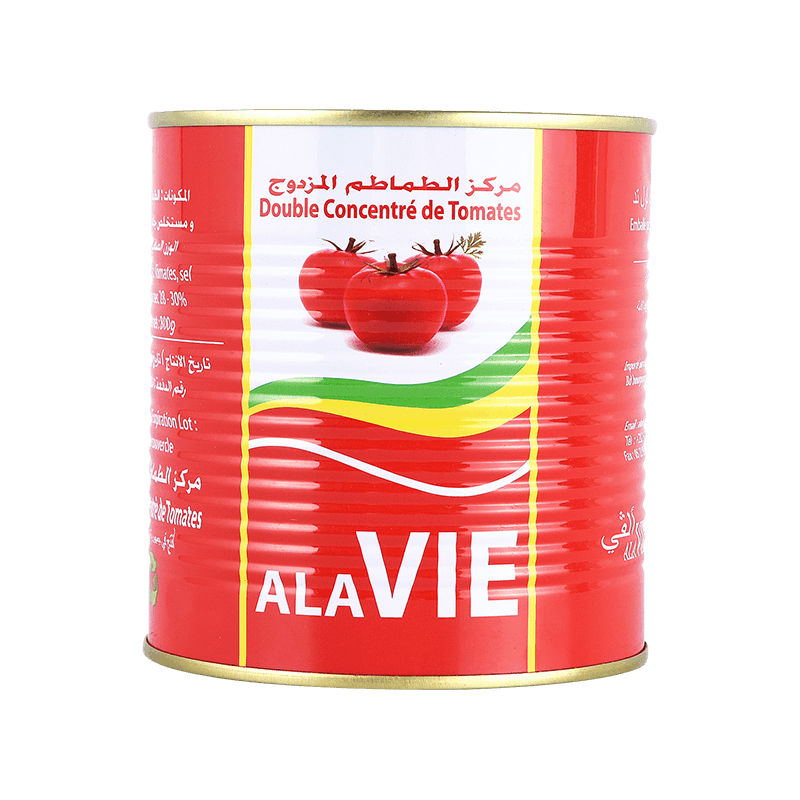
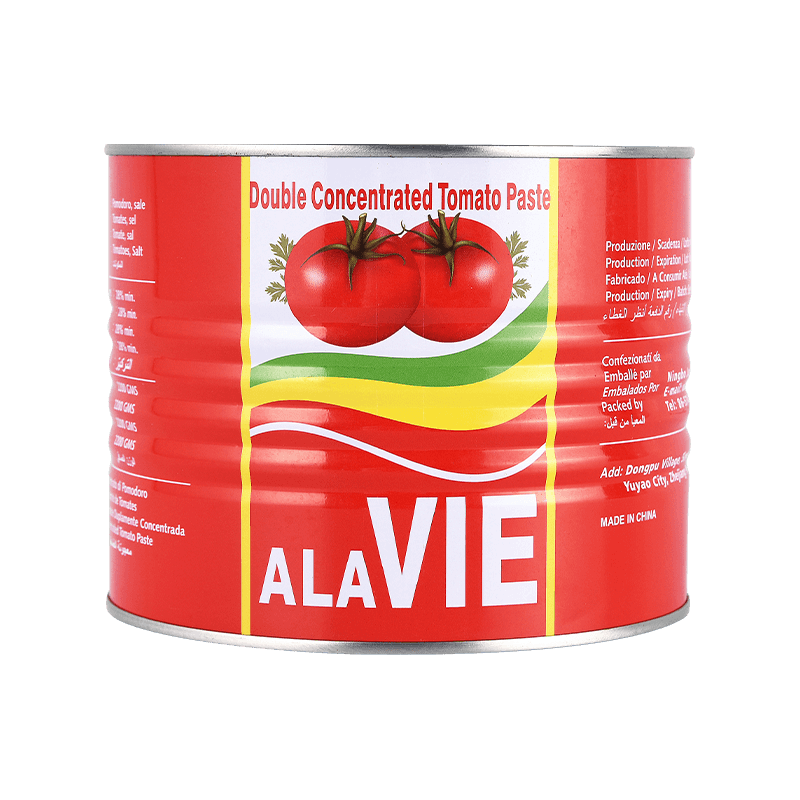
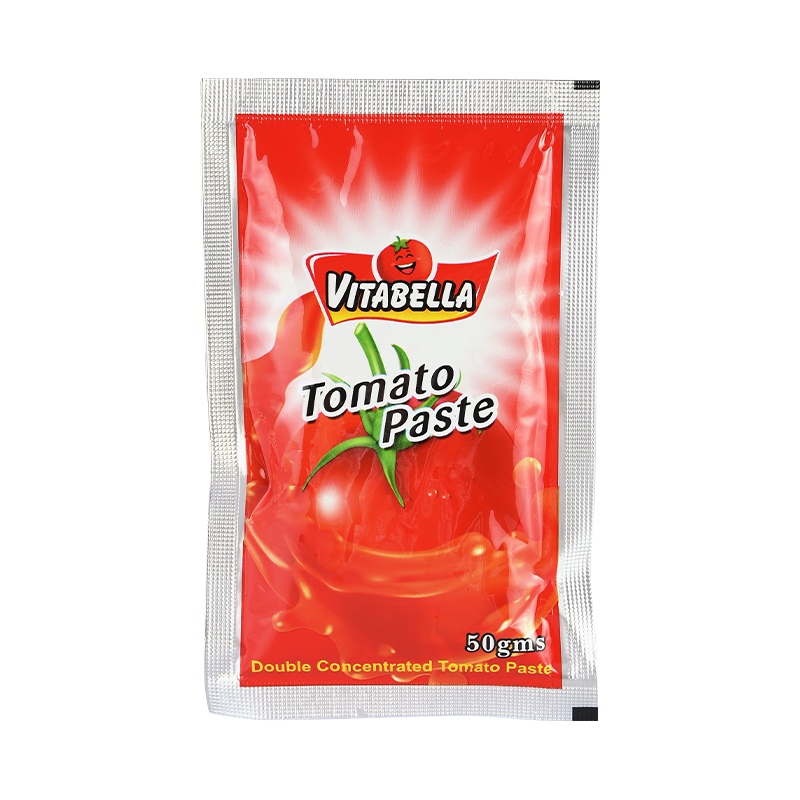 Double Concentrated Tomato Paste for Rich Pizza SauceThis double-concentrated paste delivers robust tomato flavor without added sugar, making it ideal for controlling sauce taste. Its pure formulation also supports healthy cooking while versatile for various dishes.View Product →
Double-concentrated paste is particularly reliable. It gives you a saucy depth without needing large volumes, and you can properly dilute double concentrated tomato paste for cooking in warm water before adding the rest of your ingredients. This approach also helps you control how much salt enters the final sauce.
What About Canned Tomato Paste?
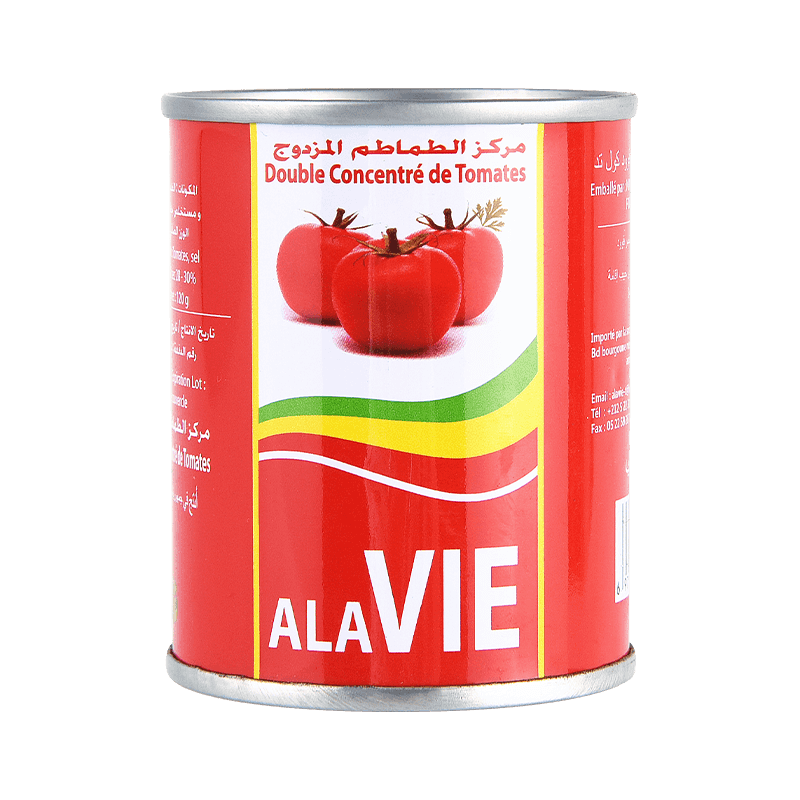
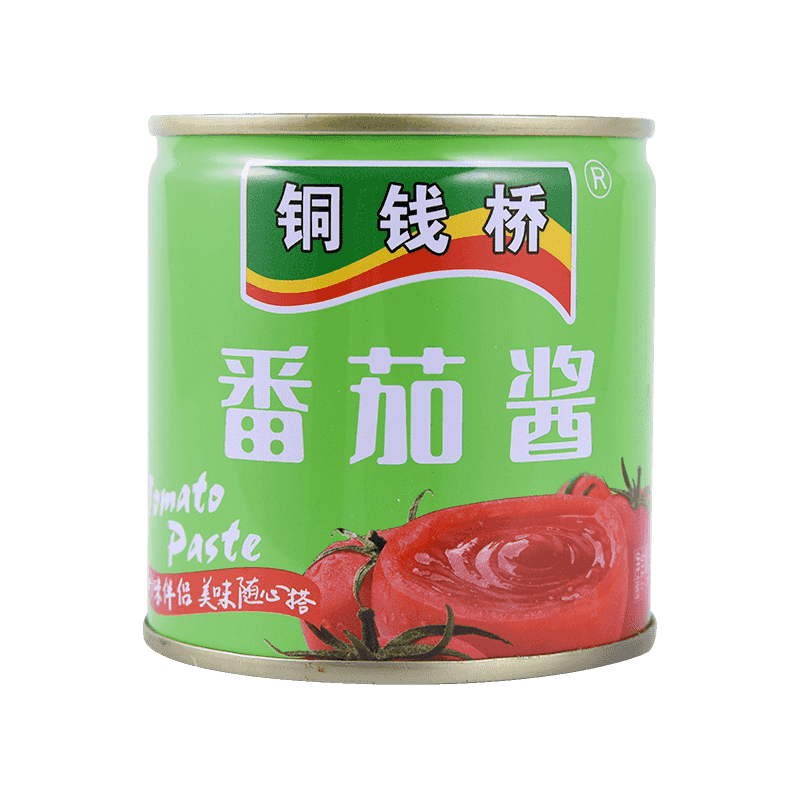
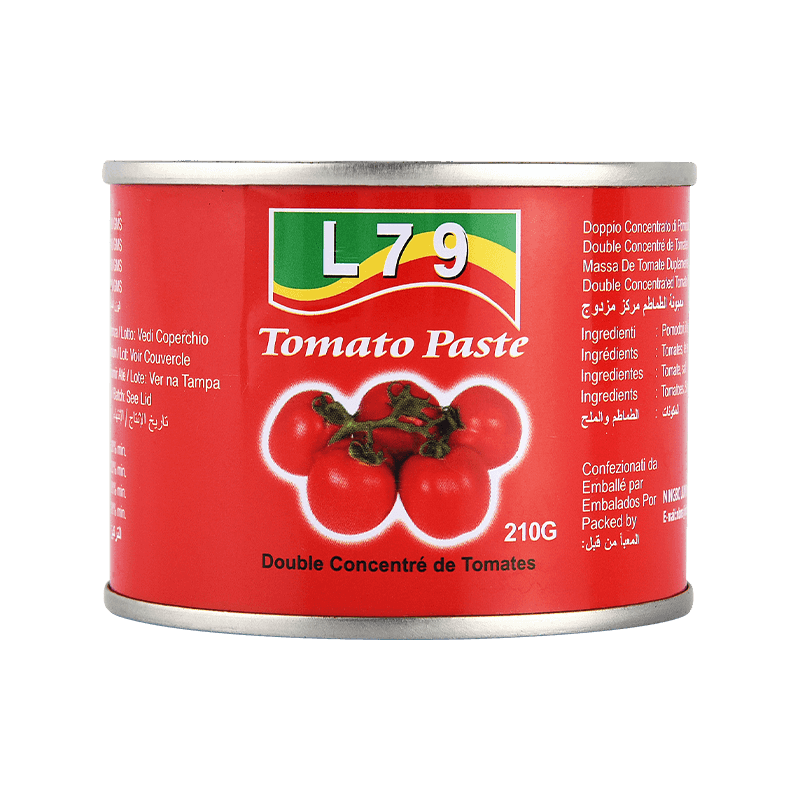
Canned tomato paste is a practical pantry option for pizza night because it is shelf-stable and easy to portion. It also comes in convenient sizes, so you do not need to open a massive tin just to make two pizzas.
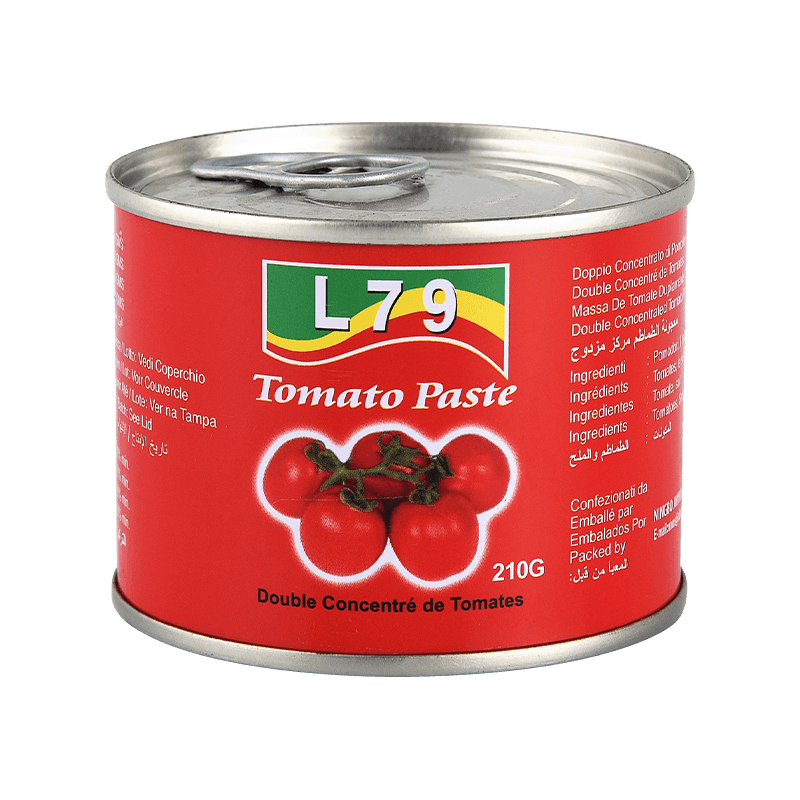 400g Easy-Open Can of Double Concentrated Tomato PasteA practical pantry size for multiple pizzas, this canned paste offers a balanced sweet-tart taste. The easy-open design ensures quick access, and leftovers can be stored conveniently in the fridge or freezer.View Product →
Look for easy-open cans if you want speed and safety in the kitchen. A 400 g can is large enough for multiple pizzas, and any leftover sauce can be refrigerated or frozen in small batches.
FAQ
Is tomato paste too strong for pizza?
No, tomato paste is only too strong if you use it undiluted. When mixed with water and oil at the right ratio, it produces a wonderfully deep pizza sauce.
Can I skip water and use tomato paste straight on the dough?
You can, but the result will be bitter and hard to spread. A little water is necessary even for a thick sauce.
How do I fix a pizza sauce that tastes too acidic?
Add a pinch of sugar, a small amount of baking soda, or a splash of water to dilute the acid. Sugar is the quickest fix and will not change the texture.
Can I make tomato paste pizza sauce ahead of time?
Yes, it keeps well in the refrigerator for up to five days. It can also be frozen in an airtight container for up to three months.
Is double-concentrated tomato paste different from regular paste?
Yes, double-concentrated paste has less water and a more intense tomato flavor. You usually need less of it for the same sauce volume.
Using tomato paste for pizza is a proven kitchen shortcut, provided you treat it like an ingredient rather than a finished sauce. Dilute it, add your own seasonings, and when needed, take an extra minute to toast it in oil. The result is a pizza sauce that tastes richer, crisps up better, and gives you full control over what goes into your pizza.
 No.1 Tongqianqiao Road, Dongpu Village, Simen Town, Yuyao, Zhejiang Province
  nbms@nbtomato.com
