
 EN
EN  English
 Français
 中文简体
中文简体


Yes — you can use canned tomato paste after the expiration date, provided the can is undamaged, the seal is intact, and the product was stored in a cool, dry place. The date stamped on the lid is a quality benchmark set by the manufacturer, not a food-safety cutoff. In practice, unopened canned tomato paste typically stays safe for 12 to 18 months past that date, and well-stored cans often last two to three years. Here is what to check before you cook with it.
Content
- What Does the Expiration Date on Canned Tomato Paste Actually Mean?
- How Long Is Unopened Canned Tomato Paste Safe After the Expiration Date?
- How to Tell If Canned Tomato Paste Has Gone Bad
- Best Storage Conditions to Maximize Shelf Life
- How Quality Changes in Expired Canned Tomato Paste
- Canned, Tubed, or Pouched: Which Lasts Longer?
- Frequently Asked Questions
- The Bottom Line
What Does the Expiration Date on Canned Tomato Paste Actually Mean?
Canned tomato paste is commercially sterilized: heat processing inside a sealed can kills spoilage organisms and prevents new ones from entering. That is why the printed date is about quality, not safety. The manufacturer sets it based on how long the paste keeps its bright color, fresh aroma, and clean acidity. Past that date, the paste does not suddenly become unsafe — it slowly loses sensory quality.
Two label types matter here. "Best by" (or "best before") describes peak quality; "use by" is a tighter recommendation, but it is still conservative for an undamaged, properly stored can. The real safety risks are damaged packaging, rust, and temperature abuse — not the calendar date itself.
How Long Is Unopened Canned Tomato Paste Safe After the Expiration Date?
A reliable window is 12 to 18 months past the printed date for unopened canned tomato paste, and cans kept in stable conditions frequently last longer. Tomatoes are a high-acid food (pH below 4.6), so they spoil faster than low-acid canned vegetables, but that acidity inhibits the bacteria that cause botulism. The 12-to-18-month guideline reflects a balance between safety and flavor loss.
| Storage state | Safe period | Quality notes |
|---|---|---|
| Unopened can, cool dry pantry | 12 to 18 months past date | Usable up to 2–3 years, with fading color and flavor |
| Opened can, refrigerated | 5 to 7 days | Keeps usable; surface may darken |
| Opened paste, frozen in portions | 3 to 4 months | Best texture and flavor retained |
| Opened tube, refrigerated | Several weeks to 2 months | Narrow nozzle limits air exposure |
If the can looks sound and the paste smells normal after opening, the safety risk stays low. The main reason to respect the 12-to-18-month window is flavor: aged paste loses the bright tomato character you expect.
How to Tell If Canned Tomato Paste Has Gone Bad
Inspect the can first, then inspect the paste. If either shows signs of spoilage, discard the can without tasting it.
- Bulging lid or ends: Gas produced by microorganisms pushes the metal outward.
- Leaking or rusted seams: The vacuum seal is broken, and bacteria may have entered.
- Deep dents on the seam: Can damage can compromise the seal even if the can is not leaking.
- No vacuum hiss when opened: An intact can releases a small hiss; its absence signals a failed seal.
- Mold: Green, white, or black fuzzy spots on the surface mean the paste should be thrown away.
- Sour or fermented smell: A sharp, yeasty, or alcoholic odor is a classic sign of spoilage.
- Gray, brown, or black color: Darkening is normal over time, but an unnatural off-color with a bad smell is not.
- Slimy or watery texture with bubbles: Fermentation and gas formation indicate active microbial growth.
Botulism is very rare in high-acid canned foods such as tomatoes. Dented, leaking, or bulging cans are the exceptions — when in doubt, throw it out.
Best Storage Conditions to Maximize Shelf Life
Temperature matters most. Canned tomato paste keeps longest at or below 24°C (75°F), with 18–21°C (65–70°F) being ideal. Heat accelerates the reactions that darken the paste and dull its flavor, while temperature swings cause condensation that can rust the can.
- Store cans in a cool, dry cabinet, away from the stove, dishwasher, or direct sunlight.
- Keep cans off bare concrete floors, where moisture can cause rust on the bottom seams.
- Avoid garages, attics, or sheds that fluctuate greatly between day and night.
- After opening, transfer unused paste to a glass or food-grade plastic container with a tight lid and refrigerate.
- For longer storage, freeze the paste in 1-tablespoon portions using an ice cube tray, then move the cubes to a freezer bag.
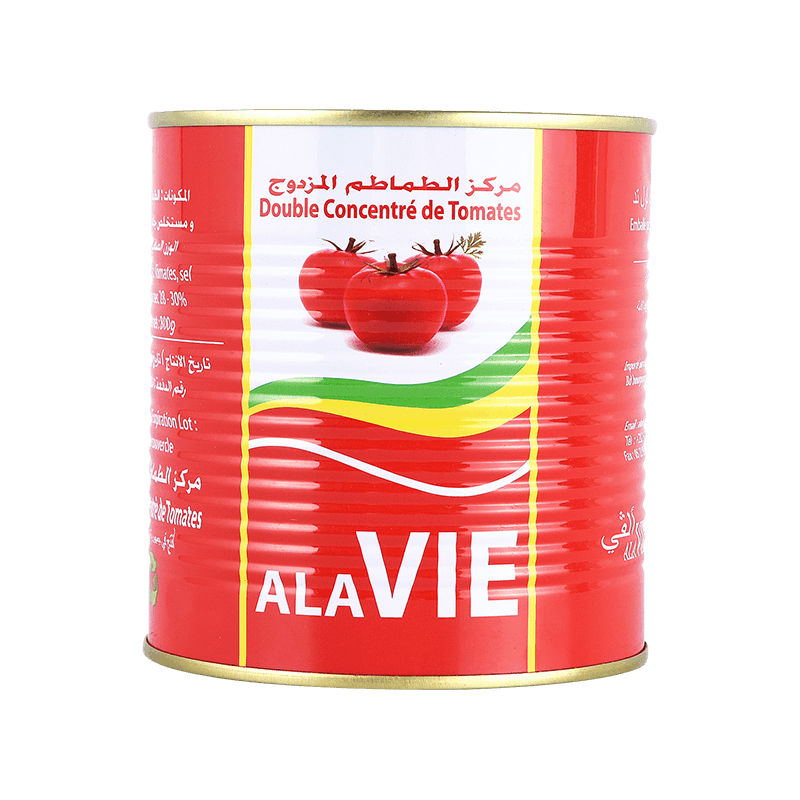
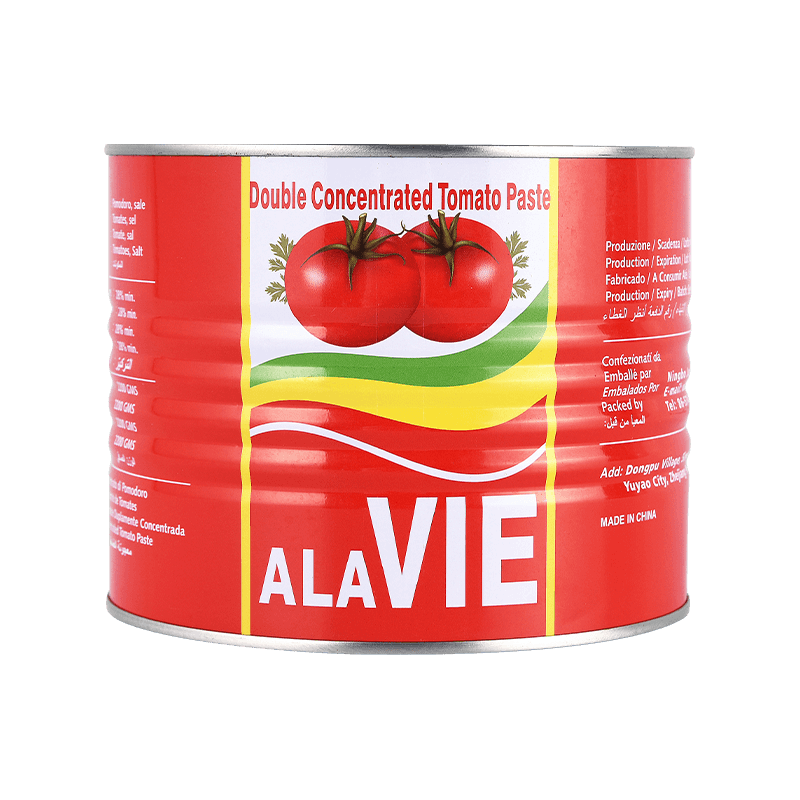
If you cook in small quantities, a 400 g easy-open double concentrated canned tomato paste avoids the quality loss that comes from repeatedly opening a large can. Follow the proper after-opening storage steps for double concentrated tomato paste so the remaining paste stays fresh.
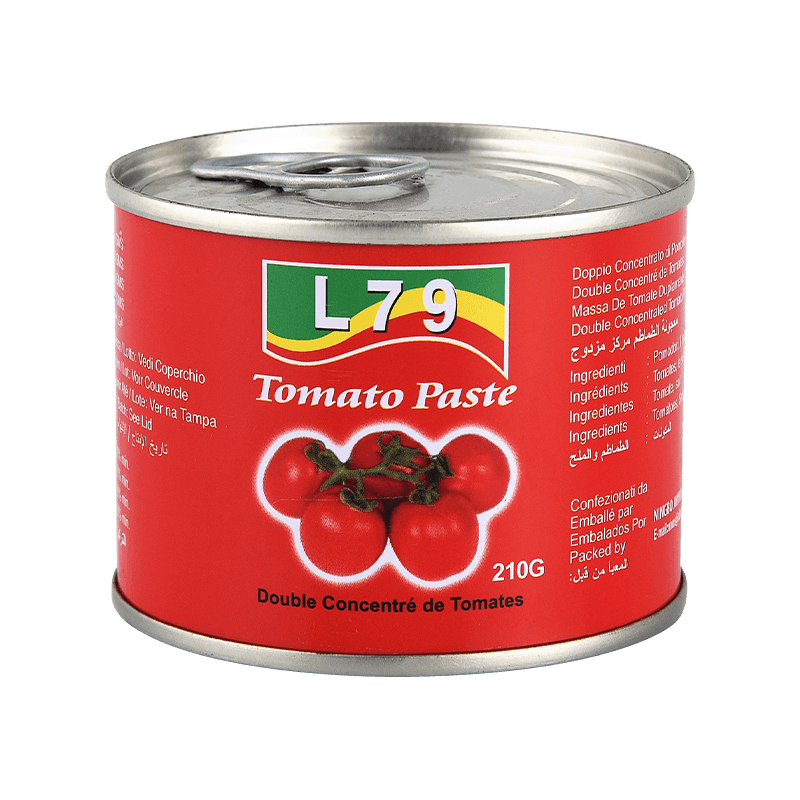 Wholesale 400g Easy open/ Hard open Double Concentrated Canned Tomato Paste SuppAs China OEM/ODM 400g Easy open/ Hard open Double Concentrated Canned Tomato Paste supplier and 400g Easy open/ Hard open Double Concentr...View Product →
How Quality Changes in Expired Canned Tomato Paste
An intact can will not turn toxic years past the date, but color, aroma, and flavor fade at different rates. The changes are most noticeable when the paste is eaten raw and least noticeable when it is simmered into a long-cooked dish.
| Attribute | Within the printed date | 12–18 months past date | More than 2 years past date |
|---|---|---|---|
| Color | Bright red | Deep red, slightly dull | Brownish red, noticeably dull |
| Aroma | Fresh, sweet-tart tomato | Mild tomato, less aromatic | Faint or slightly stale |
| Flavor | Bright and clean acidity | Acceptable, less bright | Flat, sometimes metallic |
| Best use | Any recipe, including raw sauces | Cooked dishes: stews, soups, pasta sauces | Long-cooked sauces and stocks |
In cooked dishes — ragù, chili, curries, braised meats, tomato soup — the quality gap between fresh and expired paste is barely noticeable. For uncooked uses such as salad dressings, bruschetta, or a finishing swirl, use paste within its date or open a fresh can.
Canned, Tubed, or Pouched: Which Lasts Longer?
Unopened, cans win. Opened, tubes win. Pouches eliminate leftovers. Your choice should depend on how quickly you will use the product, not just the stated expiry date.
- Cans: Longest unopened shelf life and best protection from light and air, but once opened, the paste lasts only 5 to 7 days in the fridge.
- Tubes: Typically keep for about a year unopened and for several weeks after opening, because the nozzle limits oxygen contact with the paste.
- Sachets and pouches: Single-portion formats are opened once and used completely, so there is no leftover paste to store.
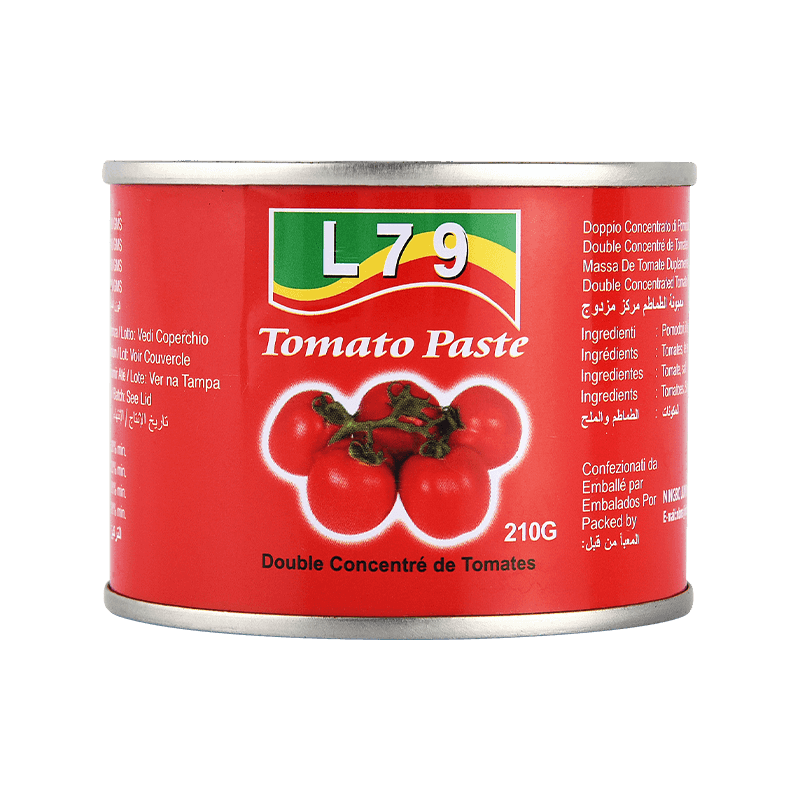
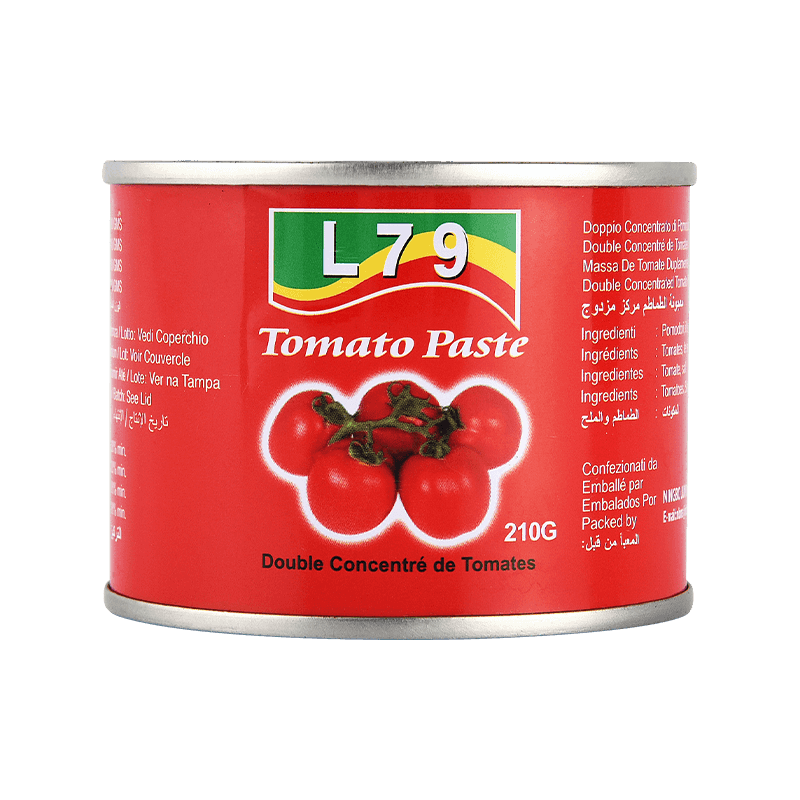
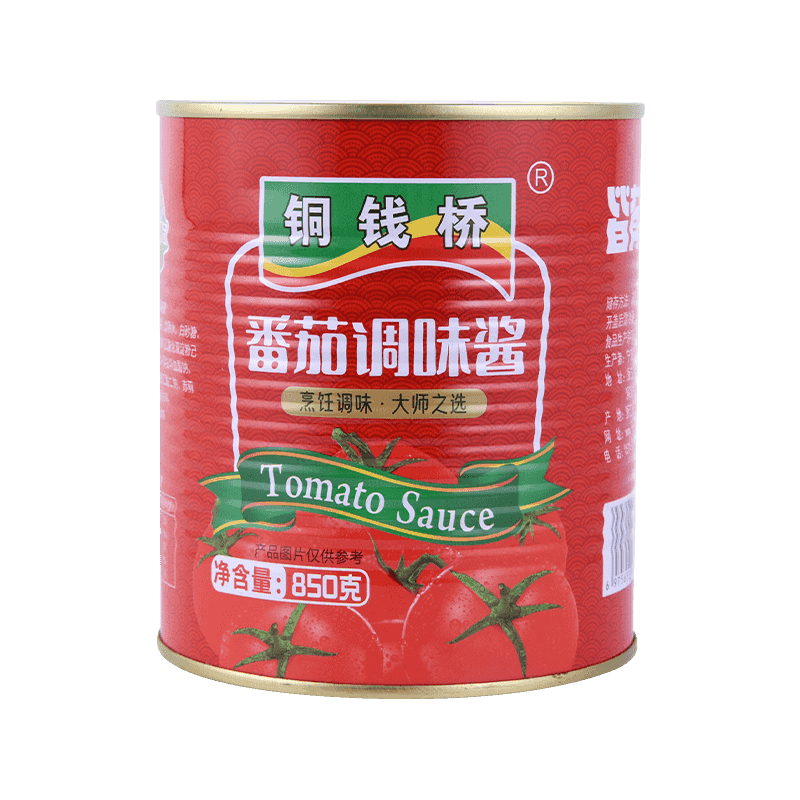
A 210 g easy-open canned flavored concentrated tomato paste suits households that finish a can within a week, while an 800 g easy-open canned high-fresh-quality tomato paste fits busier kitchens that cook in larger batches.
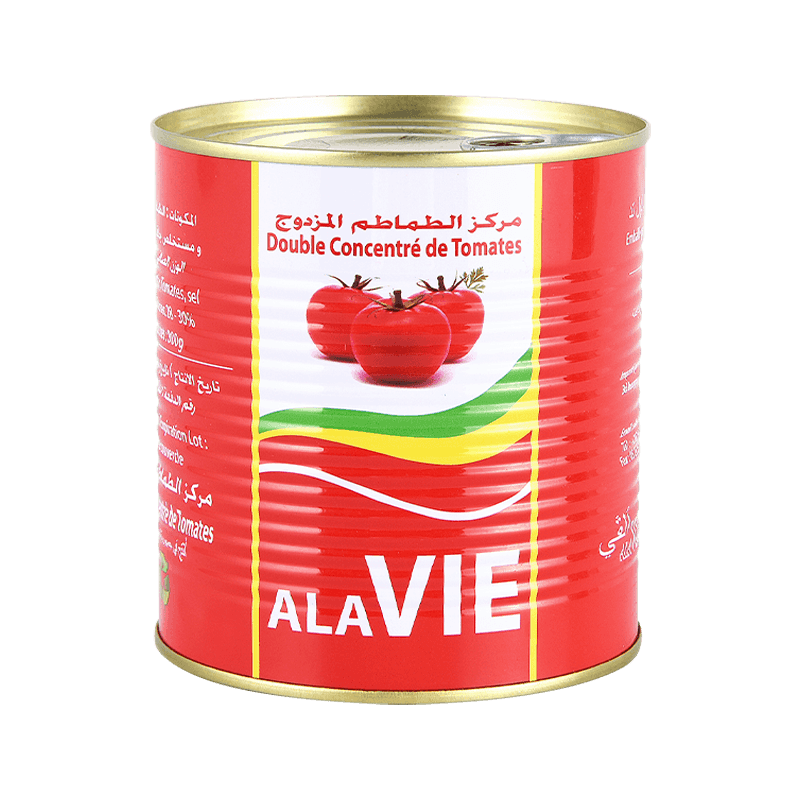 Wholesale 800g Easy open/ Hard open Canned High Fresh Quality Tomato Paste SupplAs China OEM/ODM 800g Easy open/ Hard open Canned High Fresh Quality Tomato Paste supplier and 800g Easy open/ Hard open Canned High Fres...View Product →
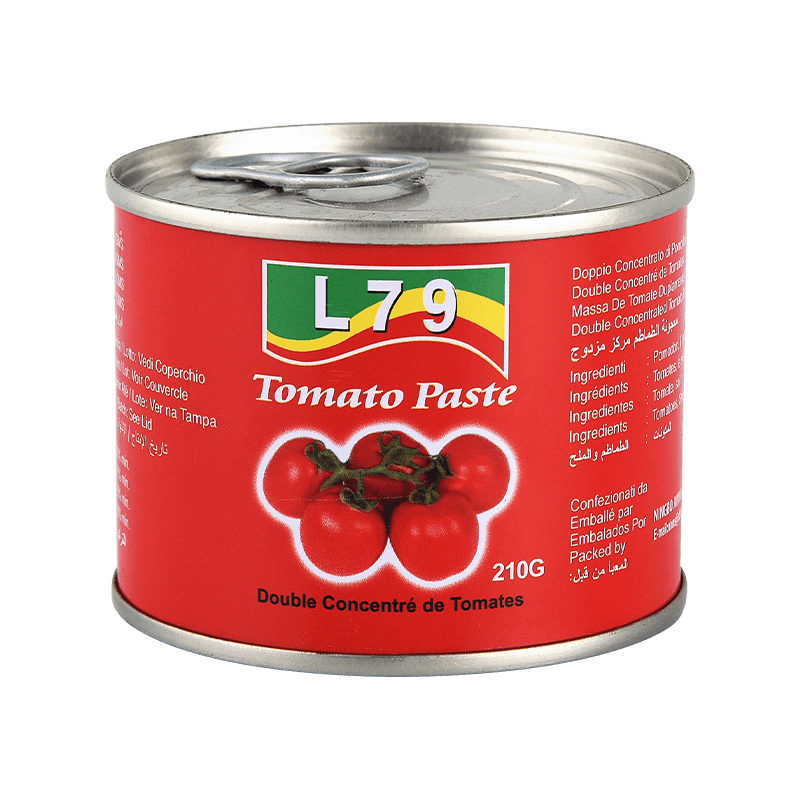 Wholesale 210g Easy open/ Hard open Canned Flavored Concentrated Tomato Paste SuAs China OEM/ODM 210g Easy open/ Hard open Canned Flavored Concentrated Tomato Paste supplier and 210g Easy open/ Hard open Canned Flavor...View Product →
Frequently Asked Questions
Can expired canned tomato paste make you sick?
If the can is undamaged, the seal is intact, and the paste shows no signs of spoilage, the risk is very low. The danger comes from damaged cans: bulging, leaking, rusted, or deeply dented cans can harbor harmful bacteria. In that case, discard the can without tasting.
Can you freeze tomato paste in the can?
No. Freezing in the original can can alter the flavor, stress the seams, and promote rusting after thawing. Transfer the paste to a freezer-safe container or portion it into an ice cube tray first.
Is it safe to use tomato paste 2 years past the expiration date?
Probably safe if the can is in perfect condition and was stored at a stable, cool temperature, but expect noticeable loss of color, aroma, and flavor. Use it in cooked dishes where the paste is simmered with other ingredients, not in preparations where fresh tomato flavor is central.
What is the difference between "best by" and "use by"?
"Best by" indicates when the manufacturer expects the product to be at its best quality. "Use by" is a stronger recommendation tied to the last day the product is expected to retain its intended quality. For commercially canned tomato paste, both dates are conservative when the can is intact and well stored.
The Bottom Line
You can use canned tomato paste after the expiration date when the can is intact, the vacuum seal held, and the paste was stored in a cool, dry place — a practical safety margin of about 12 to 18 months, with quality fading gradually after that. Always inspect the can before opening and the paste after opening, and never taste a product that looks, smells, or feels wrong.
For commercial kitchens and wholesale buyers, rotation discipline matters: use a first-in, first-out system and reject dented, rusted, or swollen cans on arrival. If you have shelf-life questions about a particular pack size or packaging format, send us an inquiry. A well-manufactured can in the right size prevents most expired-paste problems before they start.
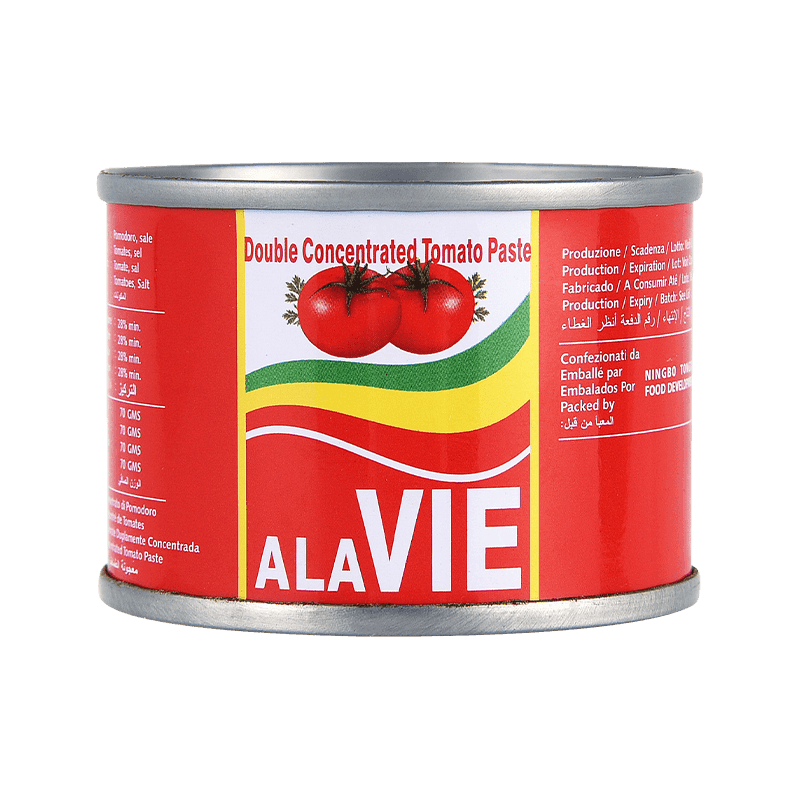
 No.1 Tongqianqiao Road, Dongpu Village, Simen Town, Yuyao, Zhejiang Province
  nbms@nbtomato.com
