
 EN
EN  English
 Français
 中文简体
中文简体


A standard 6 oz (170 g) can of tomato paste holds roughly 10 to 11 level tablespoons, about two-thirds of a cup. That is the answer most recipes expect when they list "one small can." The exact count shifts, though, when cans arrive in metric weights or when you switch to double-concentrated paste. Getting that one number wrong can tip a sauce from balanced to bland or from rich to cloying, so this guide converts every common can size into tablespoons, explains why double-concentrated paste changes the ratio, and shows how to measure without losing any to the spoon, the counter, or the sink.
Content
- How Many Tablespoons Are in a Standard Can of Tomato Paste?
- Can Size and Net Weight: A Quick Conversion Table
- Why Double-Concentrated Tomato Paste Changes the Numbers
- How to Measure Tomato Paste from a Can Accurately
- When a Recipe Calls for a Can but You Have a Different Size
- Frequently Asked Questions
- The Bottom Line on Can-to-Tablespoon Conversions
How Many Tablespoons Are in a Standard Can of Tomato Paste?
The standard can used in North American recipes is the 6 oz size, which nets 170 grams of paste. Opened and leveled, it yields approximately 10 to 11 tablespoons. When an old handwritten recipe refers to "one small can" without a weight, this is the size the author almost always meant.
A 7 oz (198 g) can, common in export and European retail, gives about 12 to 13 tablespoons, while a 12 oz (340 g) can provides roughly 22 to 23 tablespoons — the right choice when you are making chili, bolognese, or a big batch of Sunday sauce.
| Can size | Net weight | Approx. tablespoons | Approx. cup measure |
|---|---|---|---|
| Small can | 4.5 oz / 128 g | 8 tbsp | 1/2 cup |
| Standard can | 6 oz / 170 g | 10-11 tbsp | 2/3 cup |
| Large single can | 7 oz / 198 g | 12-13 tbsp | 3/4 cup |
| Double can | 12 oz / 340 g | 22-23 tbsp | 1 1/3 cups |
Because net weight is the number that matters, our range of canned tomato paste sizes prints the gram weight on every label, so converting between recipe instructions and the can in your hand stays simple.
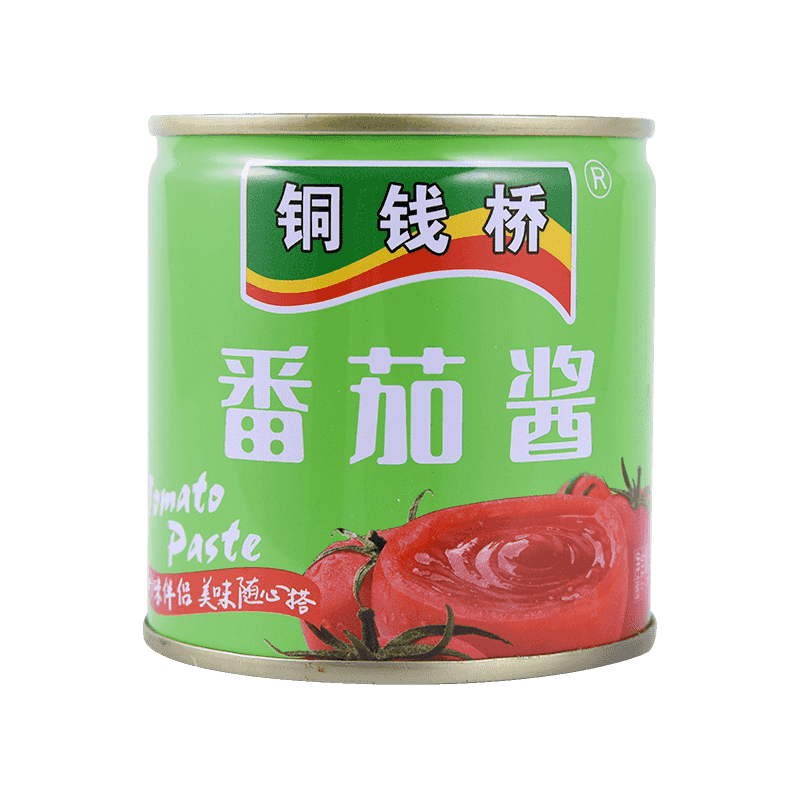 198g Flavored Tomato Paste with Easy-Open and Standard CansThis 198-gram flavored tomato paste fits the metric can sizes discussed here, and its gram-labeled packaging helps you convert between recipes and cans without guesswork.View Product →
Can Size and Net Weight: A Quick Conversion Table
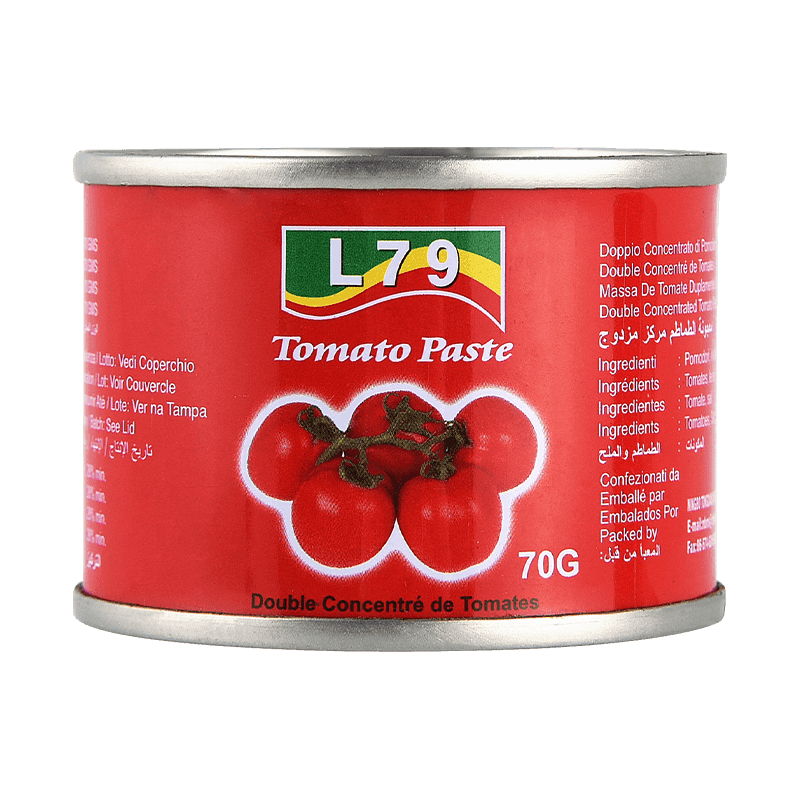
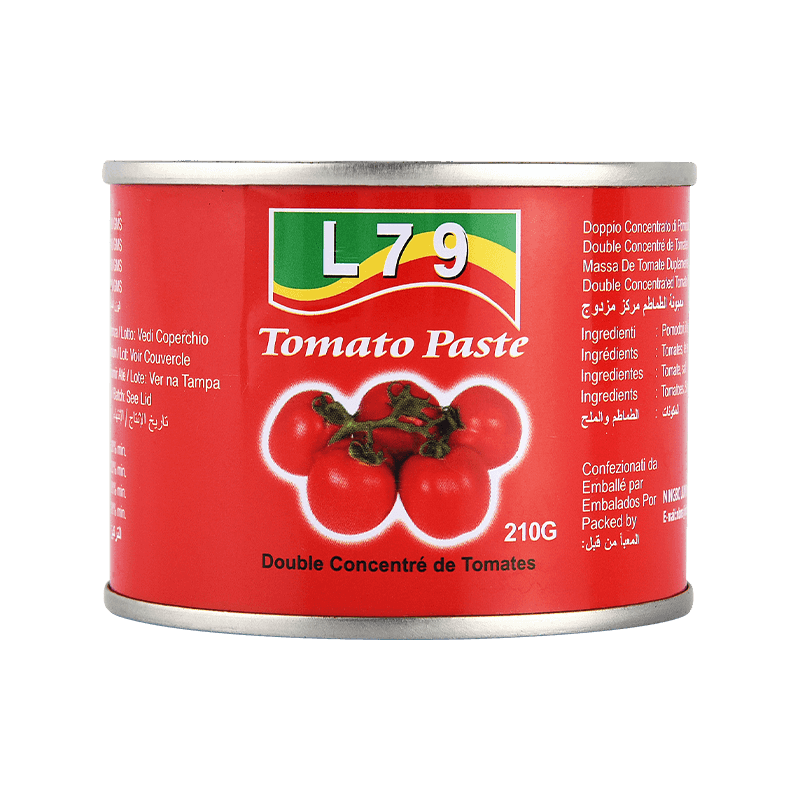
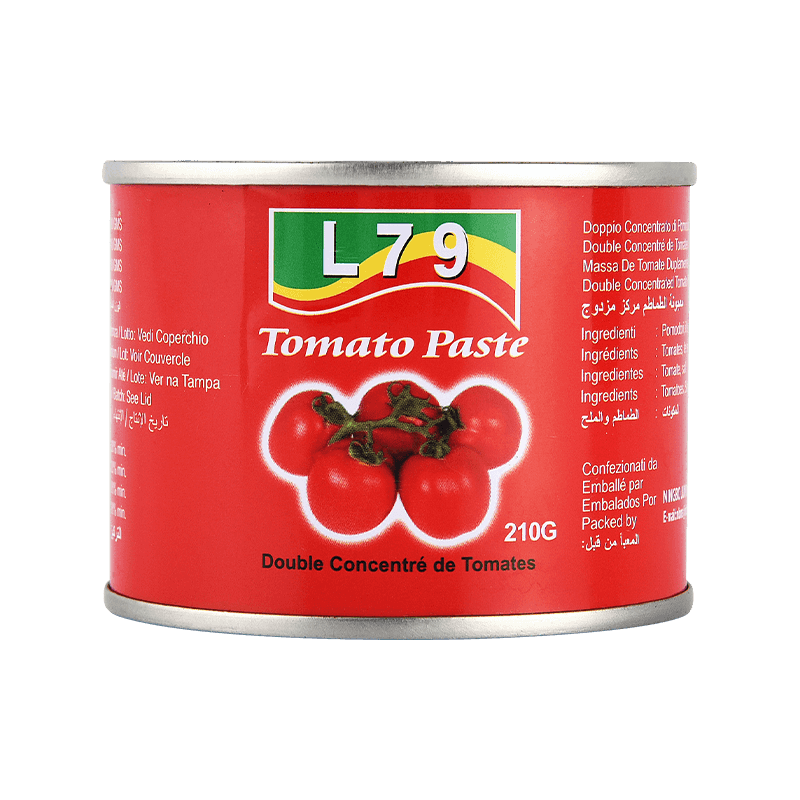
European and Asian producers package tomato paste in metric weights, so you will frequently see 60 g, 70 g, 120 g, 198 g, 210 g, 400 g, and 800 g cans rather than 6 oz. The conversion is easy to do in your head once you know that one level tablespoon of tomato paste weighs about 16 to 17 grams.
| Net weight on can | Approx. tablespoons | Best suited for |
|---|---|---|
| 60 g | 3-4 tbsp | Single dishes, pizza sauce |
| 70 g | 4-5 tbsp | Small batch cooking |
| 120 g | 7-8 tbsp | Family-size sauces |
| 170 g (6 oz) | 10-11 tbsp | Standard recipes |
| 198 g | 12-13 tbsp | US and export recipes |
| 210 g | 13-14 tbsp | European-style recipes |
| 400 g | 24-25 tbsp | Batch cooking, catering |
| 800 g | 48-50 tbsp | Restaurant and bulk use |
Tomato paste sits at a density of roughly 1.1 grams per milliliter, which is why a 15 mL tablespoon weighs in around 16 to 17 grams. That consistency across brands means the weight-to-tablespoon figures above hold whether the can came from a US supermarket, an Italian deli, or a Chinese export line.
The size you buy should match how often you cook. A household that makes pasta twice a week gets good value from a 198 g or 210 g can without constant open-and-refrigerate cycles. Occasional cooks can pick 60 g or 70 g sizes for one or two cooking sessions with zero waste, while batch cooks and catering teams will find 400 g or 800 g cans more economical per gram if they are comfortable freezing leftovers.
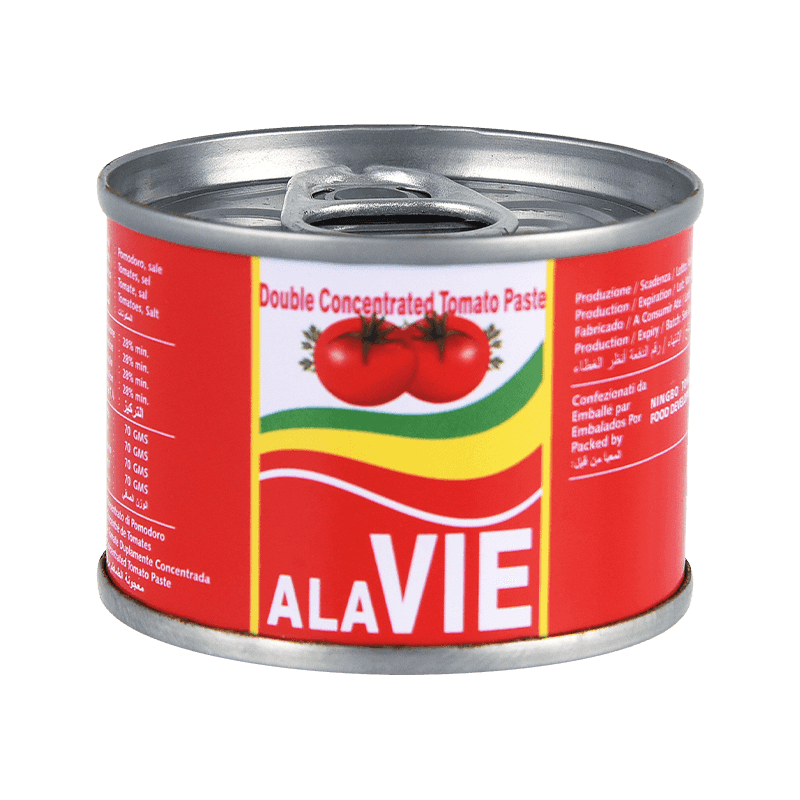 60g Double Concentrated Tomato Paste in Portable CansThis 60-gram double-concentrated paste suits occasional cooks seeking minimal waste, and its higher solid content changes how you measure and use it in recipes.View Product →
Why Double-Concentrated Tomato Paste Changes the Numbers
Double-concentrated tomato paste is not simply "twice as strong" in marketing terms. It has more water removed during processing — regular tomato paste is typically concentrated to 26 to 30 percent total solids, while double-concentrated versions reach about 36 to 40 percent. Fewer water molecules and more tomato solids per spoonful change the math.
Use roughly two-thirds as much when substituting. If a recipe calls for one tablespoon of regular paste, start with two-thirds of a tablespoon of double-concentrated, then taste and adjust. If a recipe needs a whole 6 oz can — about 10 tablespoons of regular paste — begin with about 7 tablespoons of double-concentrated and build from there.
That gives home cooks and chefs the same control over flavor that professional kitchens rely on: less storage space, a longer shelf life after opening, and the ability to tune soups, stews, and braises precisely. To see how concentration affects buying decisions, read why double-concentrated tomato paste deserves a place in your pantry.
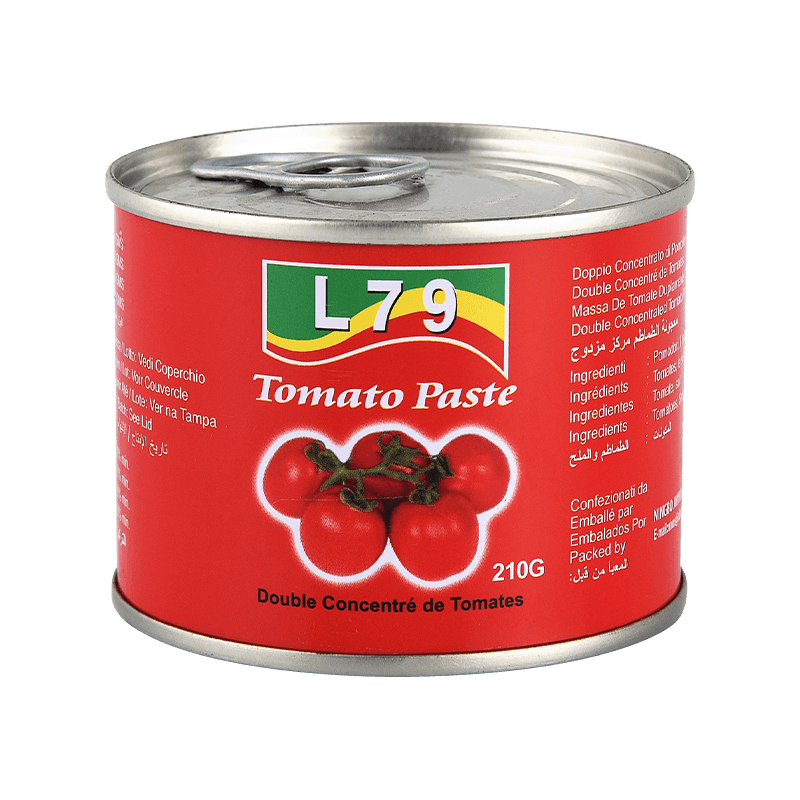 400g Double Concentrated Tomato Paste in a Sturdy CanThis 400-gram double-concentrated paste offers a longer shelf life and precise flavor control for soups and stews, with robust packaging that limits oxidation and light exposure.View Product →
How to Measure Tomato Paste from a Can Accurately
Tomato paste is sticky, and a heaped spoon can quietly unbalance a recipe. Measure with a clean, dry spoon dipped in warm water, and level every scoop.
- Warm water keeps the paste from sticking to the spoon, so every tablespoon actually reaches the pan.
- Level with the back of a knife or spatula; never heap the spoon, especially in recipes that also call for measured liquids.
- For amounts smaller than a tablespoon, use a teaspoon — one teaspoon is one-third of a tablespoon, so three teaspoons equal one tablespoon.
- Work from the center of the can toward the rim so you do not trap paste under the lid edge.
If a recipe needs half a can, spoon out the required portion and store the rest. Refrigerated paste stays usable for about a week when you press plastic wrap onto the surface or cover it with a thin layer of oil.
When a Recipe Calls for a Can but You Have a Different Size
Match the weight, not the name of the container. A 6 oz can equals roughly 170 g, or about 10 to 11 tablespoons, and every adaptation starts from that point.
- If you have a 170 g can, use the whole can — it is exactly what the recipe expects.
- If you have a smaller 70 g can, use the whole can and add two to three tablespoons of tomato purée or crushed tomato to restore the volume.
- If you have a larger 400 g can, spoon out the amount you need and freeze the rest in ice cube trays or one-tablespoon portions.
- If you are substituting double-concentrated paste, use the two-thirds rule instead of matching weight, then adjust seasoning at the end.
One-tablespoon portions freeze cleanly on a parchment-lined tray and slide straight into a hot pan from the freezer. Frozen paste keeps its color and flavor for up to three months, which makes large cans a practical investment even for small households.
Frequently Asked Questions
How many tablespoons are in a 6 oz can of tomato paste?
About 10 to 11 tablespoons, or two-thirds of a cup. Planning on 10 tablespoons is the safest estimate for scaling recipes.
How many teaspoons are in a can of tomato paste?
Since one tablespoon equals three teaspoons, a standard 6 oz can holds roughly 30 to 33 teaspoons.
Is double-concentrated tomato paste measured the same as regular?
No. It contains less water and more tomato solids, so use about two-thirds as much when replacing regular paste, then taste before adding more.
What is the best way to use leftover tomato paste from a large can?
Spoon the remainder into one-tablespoon portions and freeze them on a tray lined with parchment paper. Once frozen, transfer to a sealed bag; the portions keep for up to three months and can be added directly to hot dishes.
The Bottom Line on Can-to-Tablespoon Conversions
Whatever the can size, the same rule applies: read the net weight, divide by roughly 16 to 17 grams per tablespoon, and adjust for double-concentrated paste by reducing the amount by one-third. A 6 oz standard can gives about 10 to 11 tablespoons; a 400 g double-concentrated can gives about 24 to 25 tablespoons of more intense flavor. Once you understand why the numbers differ, measuring tomato paste stops being a guessing game.

 No.1 Tongqianqiao Road, Dongpu Village, Simen Town, Yuyao, Zhejiang Province
  nbms@nbtomato.com
