
 EN
EN  English
 Français
 中文简体
中文简体


The main tomato paste ingredients are remarkably simple: ripe tomatoes and a small amount of salt. At its core, commercial tomato paste is nothing more than concentrated tomatoes that have been cooked down to remove the majority of their water content, then typically combined with salt at a concentration of 0.5% to 2% by weight for flavor enhancement and preservation. Some manufacturers also include a small amount of citric acid or ascorbic acid (vitamin C) as an acidity regulator and antioxidant. Understanding exactly what are the main tomato paste ingredients empowers consumers to choose between pure paste with no additives and products that include additional preservatives, sweeteners, or flavorings that may not be expected or desired in a simple pantry staple.
Content
- The Primary Ingredient: Concentrated Tomatoes as the Foundation
- Salt: The Second Essential Tomato Paste Ingredient
- Optional Acidity Regulators: Citric Acid and Ascorbic Acid
- Comparing Pure Tomato Paste and Flavored Paste Products
- How Processing Affects the Nutritional Profile of Tomato Paste Ingredients
- How to Read a Tomato Paste Label and Identify Unwanted Additives
- Frequently Asked Questions About Tomato Paste Ingredients
The Primary Ingredient: Concentrated Tomatoes as the Foundation
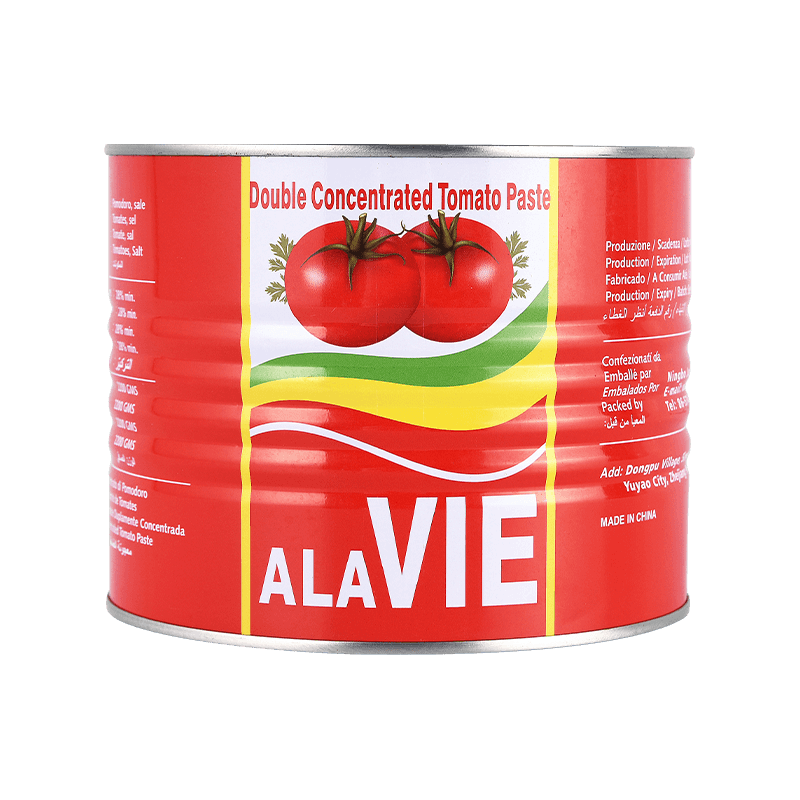
The single dominant ingredient in all tomato paste is processed tomato solids, which are created by crushing ripe tomatoes, removing the seeds and skins, and then evaporating the liquid until the tomato solids reach a concentration of at least 24% by weight, as required by the Codex Alimentarius international food standard for tomato paste. To produce one kilogram of double-concentrate tomato paste with 28-30% solids, manufacturers start with approximately 5.5 to 6.5 kilograms of fresh tomatoes. This extraordinary concentration factor explains why tomato paste delivers such an intense umami and sweet flavor punch in cooked dishes. The tomatoes used are almost exclusively processing varieties such as Roma or San Marzano types, which have been specifically bred for thick flesh, high pectin content, and a naturally high sugar-to-acid ratio. According to the World Processing Tomato Council, over 39 million metric tons of processing tomatoes are grown annually worldwide, with the vast majority destined for paste, sauce, and canned tomato products. The tomato variety and the ripeness at harvest are the most significant determinants of the final paste's color, flavor, and viscosity. A deep, brick-red paste with a Brix value of 28-30 and a thick, spreadable consistency is the global standard for quality, and achieving it requires starting with tomatoes that are fully vine-ripened and processed within hours of harvest to preserve the natural sugars and lycopene content.
Salt: The Second Essential Tomato Paste Ingredient
Salt is the second most common tomato paste ingredient, serving three critical roles: it enhances the natural savory flavor of the tomatoes, acts as a mild preservative by reducing water activity, and helps stabilize the color and texture during high-temperature processing. In standard commercial formulations, salt is added during the final evaporation stage at a concentration ranging from 0.5% to 2% of the finished product weight. A serving size of 2 tablespoons of tomato paste, roughly 33 grams, therefore contains between 165 and 660 milligrams of sodium depending on the brand. For consumers managing hypertension or following a low-sodium diet, salt-free or no-salt-added versions are widely available. In these products, the tomato paste ingredients list will read simply "tomatoes" or "organic tomatoes," with no mention of salt. The absence of salt slightly shortens the refrigerated shelf life once the can or tube is opened, so salt-free paste should be used within 5 to 7 days or frozen in portions. Salt also affects the cooking behavior of the paste: salted paste disperses more readily into hot oil at the start of a recipe, whereas unsalted paste requires more stirring to incorporate evenly.
Optional Acidity Regulators: Citric Acid and Ascorbic Acid
Citric acid is frequently added to commercial tomato paste as a safe, natural acidity regulator that ensures the pH remains below 4.5, a threshold critical for preventing the growth of Clostridium botulinum spores in canned tomato products. Tomatoes have a naturally variable acidity depending on the variety, soil conditions, and growing climate, and the Codex Alimentarius standard permits the addition of citric acid and ascorbic acid to standardize the pH for safety and flavor consistency. Citric acid is typically derived from fermentation of molasses and is chemically identical to the acid naturally present in citrus fruits. In the European Union, it appears on labels as E330, and in the United States it is listed simply as citric acid. The amount added is minimal, usually less than 0.1% by weight, and it imparts a subtle brightening note that many cooks perceive as freshness. Ascorbic acid, or vitamin C, is sometimes added as an antioxidant to preserve the red color of the paste by preventing oxidation of lycopene and other carotenoids. For consumers seeking the most minimal tomato paste ingredients, brands that use only tomatoes and salt without added acidity regulators are available, though they may exhibit slightly more variation in flavor from batch to batch.
Comparing Pure Tomato Paste and Flavored Paste Products
While basic tomato paste consists of tomatoes and salt, the market now includes a variety of flavored or seasoned paste products that incorporate additional herbs, vegetables, and oils, each altering the nutritional profile and cooking application. The table below clarifies what you can expect to find when comparing ingredient labels.
| Product Type | Typical Ingredient List | Tomato Solids | Best Culinary Use |
|---|---|---|---|
| Standard Tomato Paste | Tomatoes, salt, citric acid | 24–30% | All-purpose cooking; building savory depth in stews, sauces, and braises |
| No-Salt-Added Tomato Paste | Tomatoes | 24–30% | Low-sodium diets; recipes where salt is added separately and precisely |
| Double-Concentrate Paste (Tube) | Tomatoes, salt | 28–30% or higher | Convenient small portions; intense tomato flavor without opening a can |
| Italian-Style Herb Paste | Tomatoes, salt, onion, garlic, basil, oregano, olive oil | 18–24% | Quick pasta sauces, bruschetta, pizza base |
How Processing Affects the Nutritional Profile of Tomato Paste Ingredients
The cooking and concentration process that turns fresh tomatoes into paste dramatically increases the bioavailability of lycopene, a powerful antioxidant carotenoid, while simultaneously concentrating natural sugars and minerals such as potassium, magnesium, and iron. Fresh tomatoes contain approximately 30 to 60 milligrams of lycopene per kilogram, but the heating and concentration process breaks down cell walls and transforms lycopene into a more absorbable trans-isomer form, increasing its bioavailability by up to four times compared to raw tomatoes. A single 2-tablespoon serving of tomato paste provides roughly 16 milligrams of lycopene, which represents a significant contribution to the daily intake associated with reduced risk of prostate cancer and cardiovascular disease according to epidemiological studies reviewed by the National Cancer Institute. The natural sugars, primarily fructose and glucose, are concentrated from about 2.5% in fresh tomatoes to 12–18% in tomato paste, which is why a small spoonful can mellow the acidity of a tomato sauce without any added sweeteners. A detailed look at the tomato paste ingredients from a nutritional standpoint reveals a food that is naturally rich in potassium (over 1,000 mg per 100 grams), low in fat, and a meaningful source of dietary fiber despite its smooth texture.
How to Read a Tomato Paste Label and Identify Unwanted Additives
Reading the ingredient label on a can or tube of tomato paste takes only a few seconds and immediately reveals whether the product is pure or has been formulated with thickeners, preservatives, or sweeteners that are not essential to the product. A pure tomato paste will list only "tomatoes" or "tomatoes, salt" and possibly "citric acid." If the label includes any of the following, the product has been modified beyond the basic traditional formulation:
- Sugar, high fructose corn syrup, or glucose syrup: Added to artificially boost sweetness and mask the use of unripe or low-quality tomatoes. Not present in traditional tomato paste.
- Modified corn starch, xanthan gum, or guar gum: Thickening agents that give a false impression of concentration. They indicate that the tomato solids content may be lower than the standard 24%.
- Sodium benzoate, potassium sorbate, or sulfur dioxide: Chemical preservatives sometimes used in large-format food service paste. They are not needed in properly heat-processed canned paste and may impart off-flavors.
- Artificial colors or flavors: Any added coloring agent signals that the paste was produced from tomatoes that lacked sufficient natural red color. These are rare in retail products but can appear in institutional-grade paste.
For the purest tomato paste ingredients, select products labeled "100% tomatoes," "no additives," or "organic tomato paste." The organic certification, regulated by the USDA National Organic Program or equivalent international bodies, prohibits the use of synthetic preservatives, GMO tomato varieties, and irradiation, ensuring that the paste contains nothing beyond the simple combination of organically grown tomatoes and a permitted amount of sea salt.
Frequently Asked Questions About Tomato Paste Ingredients
Does tomato paste contain sugar naturally, or is it added?
Tomato paste contains significant natural sugar—primarily fructose and glucose—that is concentrated from the fresh tomatoes during processing. Standard paste with no added sugar still contains approximately 12 to 18 grams of natural sugars per 100 grams. If the ingredient list does not include sugar, corn syrup, or any other sweetener, all sugar present is from the tomatoes themselves. Some manufacturers add sugar to balance acidity, but this must be declared on the label and is not one of the core tomato paste ingredients in a traditional product.
Is there a difference between tomato paste sold in cans and tubes?
The base tomato paste ingredients are usually identical, but tube-packed paste is typically a double or triple concentrate with a higher tomato solids percentage, often 28-32%. Tube paste also tends to be saltier in some European brands, and it may include a small amount of olive oil for texture and flavor. The tube format eliminates the need for the consumer to transfer leftover paste to a storage container, but both can and tube products are made from the same fundamental starting material: cooked and concentrated tomatoes with salt.
Can I make tomato paste at home with the same ingredients?
Yes. Homemade tomato paste requires only ripe Roma or paste tomatoes and salt, along with olive oil to cover the top of the jar for storage. The process involves simmering strained tomato puree for 4 to 6 hours until the volume reduces by approximately 80%, then adding salt to taste. The resulting paste will have a fresh, bright flavor distinct from commercial paste, but it will not be as deeply concentrated as a factory-produced double-concentrate product because home evaporation cannot achieve the same low moisture level without specialized vacuum equipment.
What preservatives are used in tomato paste, if any?
High-quality retail tomato paste usually contains no chemical preservatives because the hot-fill canning or tube-filling process, combined with the product's natural acidity and low water activity, is sufficient to prevent spoilage until the package is opened. Citric acid and ascorbic acid, when present, function as acidity regulators and antioxidants rather than true preservatives. If a product contains sodium benzoate or potassium sorbate, it is likely a bulk-format institutional product intended for prolonged open-container storage. Reading the tomato paste ingredients label is the only way to confirm whether preservatives are present.
Are there any common allergens in tomato paste?
Pure tomato paste made from tomatoes and salt is free from the major allergens identified by the FDA, including milk, eggs, fish, shellfish, tree nuts, peanuts, wheat, and soy. However, flavored or seasoned tomato paste products that include additional ingredients such as cheese, basil pesto with pine nuts, or meat stock may introduce allergens. Consumers with food allergies should always read the full ingredient list, not just the front-of-package description, to confirm that only the basic tomato paste ingredients are present.
Understanding exactly what are the main tomato paste ingredients reveals a product of remarkable simplicity: ripe tomatoes, concentrated to their essence, with a small amount of salt as the only essential addition. This minimalist formulation has remained unchanged for generations because it works perfectly, delivering intense tomato flavor, deep red color, and rich umami to countless dishes without the need for artificial enhancers or complex processing aids. Checking the label before purchasing ensures you bring home exactly what you expect, a pure, concentrated tomato product that elevates every recipe it touches.
 No.1 Tongqianqiao Road, Dongpu Village, Simen Town, Yuyao, Zhejiang Province
  nbms@nbtomato.com
