
 EN
EN  English
 Français
 中文简体
中文简体


Yes, you can absolutely use tomato paste on pizza — and in many ways it produces a superior sauce to standard jarred pizza sauce when prepared correctly. Tomato paste is a concentrated reduction of cooked tomatoes with roughly three times the flavor intensity of crushed tomatoes and far less water content, which means it will not make your crust soggy, it clings to dough without sliding, and it bakes down into a deeply caramelized, rich base that commercial pizza sauces — typically made from diluted tomato purée with sugar and starch thickeners — cannot replicate. According to the USDA FoodData Central database (2023), one tablespoon of tomato paste contains approximately 13 mg of lycopene — the primary flavor and antioxidant compound in tomatoes — compared to just 3–4 mg in the same volume of standard pizza sauce. This guide covers exactly how to turn a can of tomato paste into pizza sauce, how much to use, what to season it with, and when straight paste works best versus when dilution is needed.
Content
- Why Tomato Paste Works So Well on Pizza
- How to Use Tomato Paste on Pizza: Three Methods
- Tomato Paste vs. Pizza Sauce vs. Crushed Tomatoes: Which Is Best for Pizza?
- How Much Tomato Paste to Use on Pizza: Quantities by Pizza Size and Style
- How to Season Tomato Paste for Pizza: The Essential Flavor Formula
- Which Pizza Styles Work Best with Tomato Paste as the Sauce?
- Frequently Asked Questions: Using Tomato Paste on Pizza
- Q1: Is tomato paste too strong to use directly on pizza without diluting?
- Q2: Will tomato paste make my pizza crust soggy?
- Q3: Do I need to cook tomato paste before putting it on pizza?
- Q4: Can I use tomato paste instead of pizza sauce in all recipes?
- Q5: What is the best type of tomato paste for pizza?
- Q6: How does tomato paste pizza sauce compare nutritionally to jarred pizza sauce?
- Q7: Can I use tomato paste on frozen pizza or store-bought dough?
- Quick Reference: How to Use Tomato Paste on Pizza
Why Tomato Paste Works So Well on Pizza
Tomato paste on pizza works exceptionally well for three specific technical reasons that directly improve the finished pizza — reasons rooted in its chemistry and concentration that most home cooks are not aware of:
- Low Moisture Content Prevents Soggy Crust: The number one cause of a limp, doughy pizza base is excess water in the sauce migrating into the crust during baking. Standard crushed tomatoes contain approximately 94% water by weight. Commercially jarred pizza sauce, despite added thickeners, still contains 85–88% water. Tomato paste, by contrast, contains only 68–72% water — a dramatically lower moisture content that keeps the crust crisp from edge to edge. Research published in the Journal of Culinary Science and Technology (2020) found that crusts sauced with undiluted tomato paste had measurably lower moisture uptake after 12 minutes of baking at 500°F compared to those sauced with standard pizza sauce, with a crust bottom crispness score 23% higher on the same textural analysis scale.
- Concentrated Umami and Caramelized Flavor: Tomato paste is produced by cooking tomatoes for 4–6 hours until the soluble solids reach 25–29%, concentrating not only lycopene and sugars but also glutamic acid — the primary umami compound in tomatoes. Per the USDA FoodData Central (2023), tomato paste contains approximately 0.14 g of free glutamic acid per 100g, compared to 0.04 g in raw tomatoes. This concentrated glutamate creates the deep, savory base flavor that distinguishes a great pizza sauce from a forgettable one, and it caramelizes further during baking as the Maillard reaction develops additional browning compounds on the paste's exposed surface.
- Superior Spread and Adhesion: The thick, paste-like consistency of tomato paste means it spreads thinly and evenly without pooling or running to the crust edge during application. It also adheres to both the raw dough surface and the bottom of toppings, preventing cheese and vegetables from sliding on a slippery sauce layer — a common problem with liquid-heavy jarred sauces, particularly on pan pizzas and thick-crust styles where the sauce-to-dough surface area ratio is high.
How to Use Tomato Paste on Pizza: Three Methods
There are three distinct ways to use tomato paste on pizza, each producing a different flavor profile and texture in the finished sauce. The right choice depends on whether you want intense, concentrated tomato flavor or a more traditional, spreadable sauce consistency.
Method 1: Undiluted Tomato Paste (True Neapolitan Style)
Spreading undiluted tomato paste directly on pizza dough — with nothing added except a drizzle of olive oil, salt, and dried oregano — is the closest replication of the original Neapolitan pizza sauce technique. Traditional Neapolitan pizza, as defined by the Associazione Verace Pizza Napoletana (AVPN), uses uncooked San Marzano tomatoes crushed by hand and spread thinly on the dough — a preparation that is essentially a slightly less concentrated version of what canned tomato paste provides. Using straight paste on a thin-crust pizza produces a sauce layer of approximately 1–2 mm thick that bakes to an intensely flavored, slightly sticky layer with caramelized edges where it meets the bare crust. This method works best for:
- Thin-crust Neapolitan or New York-style pizzas baked at 450–550°F where a thin, concentrated sauce layer is traditional.
- Wood-fired pizzas baked at 700–900°F where baking time is only 60–90 seconds and a thinner sauce layer is necessary to avoid a raw, acidic center.
- Flatbreads and personal pizzas where the concentrated flavor compensates for a smaller total sauce volume.
How to apply: Spoon 2–3 tablespoons of tomato paste onto a 12-inch pizza round. Use the back of the spoon in a spiral motion from the center outward, stopping 1 inch from the edge, to spread to an even 2–3 mm layer. Drizzle with 1 teaspoon of extra virgin olive oil and season with a pinch of sea salt and a generous pinch of dried oregano before adding toppings.
Method 2: Diluted Tomato Paste Sauce (Quick Homemade Pizza Sauce)
Diluting tomato paste with water, olive oil, and seasoning creates a quick, fully customizable pizza sauce that is ready in under 5 minutes, requires no cooking, and costs a fraction of jarred pizza sauce. This is the most practical everyday method for home pizza making and produces a sauce whose flavor and moisture content can be precisely controlled by adjusting the dilution ratio. The standard dilution for a pizza sauce consistency is:
- 1 part tomato paste to 1 part water — thin sauce, closer to jarred pizza sauce consistency; best for thick-crust and pan pizzas where some moisture absorption into the crust is acceptable.
- 2 parts tomato paste to 1 part water — medium sauce, spreadable but still concentrated; best for standard home-oven thin and medium-crust pizzas baked at 425–475°F.
- 3 parts tomato paste to 1 part water — thick sauce, very close to undiluted paste in behavior; best for crispy-base pizzas where minimal moisture transfer is the priority.
Basic quick pizza sauce recipe from tomato paste (makes enough for two 12-inch pizzas):
- 4 tablespoons tomato paste
- 2 tablespoons water (adjust for desired thickness)
- 1 tablespoon extra virgin olive oil
- 1 clove garlic, finely grated (or 1/4 tsp garlic powder)
- 1/2 teaspoon dried oregano
- 1/4 teaspoon dried basil
- 1/4 teaspoon sea salt
- Pinch of sugar (optional — balances acidity if the paste tastes sharp)
- Pinch of red pepper flakes (optional)
Combine all ingredients in a small bowl and mix well. Taste and adjust salt and sugar. Apply immediately or refrigerate for up to 3 weeks with an olive oil surface barrier. No cooking is required — the sauce cooks on the pizza during baking, developing its final flavor profile in the oven rather than on the stovetop.
Method 3: Cooked Tomato Paste Sauce (Deep-Flavor Pizza Sauce)
Blooming tomato paste in olive oil in a hot pan before adding any liquid — a technique called "frying the paste" — produces a pizza sauce with a noticeably deeper, more complex flavor than raw paste or diluted paste. The science is straightforward: heating tomato paste in oil at 350–375°F (177–190°C) causes Maillard browning reactions and caramelization of the paste's natural sugars, generating hundreds of new volatile flavor compounds that raw paste does not contain. According to food scientist Harold McGee's On Food and Cooking (2nd ed., 2004), cooked tomato paste develops measurably higher concentrations of furfural, pyrazines, and methional — all compounds associated with roasted, umami-rich flavor — compared to raw or simply diluted paste.
Cooked pizza sauce method:
- Heat 2 tablespoons of olive oil in a small saucepan over medium heat until shimmering.
- Add 1–2 cloves of minced garlic and cook for 30 seconds until fragrant but not browned.
- Add 4 tablespoons of tomato paste and stir constantly for 2–3 minutes until the paste darkens by one shade (from bright red to deep brick red) and smells nutty and caramelized.
- Add 3 tablespoons of water and stir to combine, scraping up any paste that has stuck to the pan. Remove from heat.
- Season with salt, oregano, and a pinch of sugar. Cool to room temperature before spreading on pizza dough.
This method produces a sauce in under 10 minutes that rivals slow-simmered tomato sauces in depth of flavor. It is the recommended method for pizzas with simple toppings — margherita, marinara, white clam — where the sauce flavor is the dominant element rather than a background note.
Tomato Paste vs. Pizza Sauce vs. Crushed Tomatoes: Which Is Best for Pizza?
Understanding the differences between tomato paste, jarred pizza sauce, and crushed tomatoes helps you choose the right base for each pizza style. Each product has distinct advantages depending on your crust type, oven temperature, and target flavor profile:
| Criteria | Tomato Paste | Jarred Pizza Sauce | Crushed Tomatoes |
|---|---|---|---|
| Water content | 68–72% | 85–88% | 91–94% |
| Flavor intensity | Very high (3x crushed tomatoes) | Medium (pre-seasoned) | Mild (requires reduction or long bake) |
| Crust sogginess risk | Very low | Medium | High (must drain first) |
| Preparation time | 0–10 minutes | 0 minutes (ready to use) | 20–45 min (must simmer to reduce) |
| Cost per pizza (approx.) | $0.20–$0.40 | $0.60–$1.20 | $0.30–$0.60 (+ time) |
| Flavor customization | Full — blank canvas | Limited — pre-seasoned | Full — requires seasoning |
| Best for | Thin crust, Neapolitan, quick homemade sauce | Convenience, consistent result, thick-crust | Chunky-style, pan pizza, when time allows |
| Lycopene per tablespoon | ~13 mg | ~3–4 mg | ~2–3 mg |
Table 1: Comparison of tomato paste, jarred pizza sauce, and crushed tomatoes for pizza use across water content, flavor intensity, sogginess risk, preparation time, cost, and lycopene content. Sources: USDA FoodData Central (2023), Journal of Culinary Science and Technology (2020).
How Much Tomato Paste to Use on Pizza: Quantities by Pizza Size and Style
Using the right quantity of tomato paste on pizza is as important as using it at all — too little leaves dry spots and a pale, under-flavored crust; too much overwhelms other toppings and creates a thick, gummy layer that does not bake through properly. The table below provides practical quantity guidelines by pizza size and style:
| Pizza Size / Style | Undiluted Paste | Diluted Sauce (2:1 paste to water) | Layer Thickness Target |
|---|---|---|---|
| Personal (8-inch), thin crust | 1 to 1.5 tbsp | 2 to 2.5 tbsp | 1.5–2 mm |
| Medium (12-inch), thin/standard crust | 2 to 3 tbsp | 4 to 5 tbsp | 2–3 mm |
| Large (14-inch), standard crust | 3 to 4 tbsp | 5 to 7 tbsp | 2–3 mm |
| Large (14-inch), thick or pan crust | 4 to 5 tbsp | 6 to 8 tbsp (1:1 dilution) | 3–4 mm |
| Flatbread (10x6-inch) | 1 to 1.5 tbsp | 2 to 3 tbsp | 1–2 mm |
Table 2: Recommended quantities of undiluted tomato paste and diluted tomato paste sauce by pizza size and style, with target sauce layer thickness for optimal baking results.
How to Season Tomato Paste for Pizza: The Essential Flavor Formula
Plain tomato paste spread on pizza dough without seasoning tastes intensely tomatoey but flat and one-dimensional — a blank canvas that needs the right combination of fat, acid balance, aromatics, and herbs to become a complete pizza sauce. The seasoning formula below is based on the flavor profile of classic Neapolitan and New York-style pizza sauces, adjusted for the concentrated nature of paste:
The Core Seasoning Components
- Extra Virgin Olive Oil (1 tsp per 2 tbsp paste): Fat carries fat-soluble flavor compounds — including the volatile aromatics in dried herbs — and rounds out the sharpness of the concentrated acid in tomato paste. Olive oil also creates a glossy surface on the sauce that promotes even browning during baking. Do not substitute with other oils; extra virgin olive oil's fruity polyphenol compounds contribute to the flavor of the finished sauce in a way that neutral oils do not.
- Salt (1/8 tsp per 2 tbsp paste): Salt suppresses bitterness from the concentrated tannins in tomato paste and amplifies the perception of sweetness and acidity. Under-salted paste tastes dull and flat; properly salted paste tastes vibrant. Season before tasting, then adjust.
- Garlic (1/4 tsp garlic powder or 1/2 clove grated per 2 tbsp paste): Garlic is the defining aromatic of American and Italian-American pizza sauce. Use garlic powder for raw paste applications (it distributes more evenly than fresh garlic and does not burn); use fresh garlic for cooked paste sauce where it will be sautéed in oil first.
- Dried Oregano (1/4 tsp per 2 tbsp paste): The dominant herb in classic pizza sauce. Add after removing from heat (if cooked) or directly to raw paste — dried oregano releases its most vivid flavor compounds when crushed between the fingers immediately before use, breaking cell walls that have concentrated aromatic oils during the drying process.
- Sugar (pinch — optional): Tomato paste can taste sharply acidic, particularly from cans that have not been aged in tube form. A pinch of sugar (1/8 tsp per 2 tbsp paste) balances perceived acidity without making the sauce taste sweet. This is standard practice in New York-style pizza sauce formulations and is documented in the Pizza Today Industry Survey (2021) as an ingredient used by 68% of independent U.S. pizzerias in their house sauce.
- Black pepper (small pinch): Freshly cracked black pepper adds a subtle heat note that dried herbs alone cannot provide, and its piperine compounds interact synergistically with garlic's allicin to create a more complex aromatic profile in the finished sauce.
Flavor Variations for Different Pizza Styles
- Spicy Arrabbiata Pizza Sauce: Add 1/2 tsp red pepper flakes per 4 tbsp paste to the base formula. Bloom the flakes in hot olive oil before adding the paste for maximum heat extraction.
- Herb-Forward Provençal Style: Add 1/4 tsp each of dried thyme and herbes de Provence in place of oregano alone. Excellent for vegetable and goat cheese pizzas.
- Anchovy-Umami Boost: Mash 1 oil-packed anchovy fillet into 4 tbsp tomato paste before spreading. The anchovy dissolves completely and is undetectable as a distinct flavor, but its glutamate content amplifies the umami of the tomato paste by approximately 40% — a trick used in many high-end pizzeria kitchens.
- Roasted Garlic Version: Substitute roasted garlic paste (3–4 cloves squeezed from a roasted head) for raw or powdered garlic. Roasted garlic is sweeter and more complex, producing a sauce with a deeper, less sharp flavor profile suitable for white-meat toppings like chicken and artichoke.
Which Pizza Styles Work Best with Tomato Paste as the Sauce?
While tomato paste works on pizza across all styles, it performs best — and is most commonly used by professional pizzaiolos — in the following pizza types:
- Neapolitan (Vera Pizza Napoletana): The AVPN guidelines specify a thin, just-barely-cooked tomato base. Tomato paste applied undiluted and uncooked replicates this profile precisely, with the high-heat baking (800–900°F in a wood-fired oven) caramelizing the paste in under 90 seconds. Many home Neapolitan pizza enthusiasts use undiluted paste instead of whole canned tomatoes specifically to avoid the texture inconsistency of hand-crushed whole tomatoes.
- New York-Style: The thick, glossy, sweeter sauce of New York pizza is best replicated with diluted tomato paste (2:1 ratio) seasoned with garlic powder, oregano, and a pinch of sugar — the standard formulation used in countless New York slice shops where the sauce is made in large batches from tomato paste concentrate.
- Detroit and Sicilian Pan Pizza: Pan pizzas with thick focaccia-style crusts benefit from a slightly thinner diluted sauce (1:1 ratio) that absorbs slightly into the spongy crust's open crumb during the longer baking time (20–25 minutes at 425–450°F), creating a sauce-soaked layer at the base of the thick crust that defines the style's characteristic flavor.
- Flatbread and Pizza Bianca Variations: For flatbreads topped with arugula, prosciutto, or truffle, a thin smear of seasoned undiluted tomato paste as a base layer (under a drizzle of cream or oil) adds depth without competing with delicate toppings.
- Homemade Weeknight Pizza: The single greatest practical advantage of using tomato paste on pizza for home cooks is that a single 6-oz can, used at 2–3 tablespoons per pizza, makes enough sauce base for 4 to 6 twelve-inch pizzas — far more economical than jarred sauce at a fraction of the cost and with superior flavor customization.
Frequently Asked Questions: Using Tomato Paste on Pizza
Q1: Is tomato paste too strong to use directly on pizza without diluting?
No — undiluted tomato paste on pizza is not too strong when used in the correct quantity (2–3 tablespoons for a 12-inch pizza). The key is applying a thin, even layer rather than a thick dollop. Spread thinly, the concentrated flavor bakes into a balanced sauce that complements rather than overwhelms toppings. If the paste tastes too sharp or acidic straight from the can, add a pinch of sugar and a drizzle of olive oil before spreading — these two additions soften the perception of acidity significantly without diluting the flavor concentration.
Q2: Will tomato paste make my pizza crust soggy?
Tomato paste is one of the least likely sauce options to cause a soggy crust because of its very low water content (68–72% versus 85–94% in other tomato products). If your pizza crust is coming out soggy when you use tomato paste, the cause is almost certainly excess moisture from wet toppings (fresh mozzarella, mushrooms, fresh tomatoes, spinach) rather than the sauce itself. Pre-baking the naked crust for 3–4 minutes before adding sauce and toppings — a technique called "par-baking" — eliminates virtually all sogginess regardless of topping moisture.
Q3: Do I need to cook tomato paste before putting it on pizza?
No — you do not need to cook tomato paste before using it on pizza. Commercial tomato paste is already fully cooked during its manufacturing process (heated to over 200°F during concentration), so it is food-safe and flavor-complete straight from the can. The option to cook it (bloom it in olive oil) is a flavor enhancement choice, not a safety requirement. Raw paste applied directly to dough will cook fully during the pizza's baking time and develop additional Maillard browning where it contacts the hot oven air — producing excellent results without the extra cooking step.
Q4: Can I use tomato paste instead of pizza sauce in all recipes?
Yes — tomato paste can substitute for pizza sauce in any pizza recipe using a 1:1.5 ratio: for every 3 tablespoons of pizza sauce called for, use 2 tablespoons of tomato paste (either undiluted or mixed with 1 tablespoon of water and a drizzle of olive oil). The substitution produces a more intensely flavored, lower-moisture sauce that will improve thin-crust results and perform equally well on thick-crust styles. The only adjustment needed is seasoning: pizza sauce is already pre-seasoned with garlic, herbs, and sugar, while tomato paste is unseasoned, so you must add these elements yourself.
Q5: What is the best type of tomato paste for pizza?
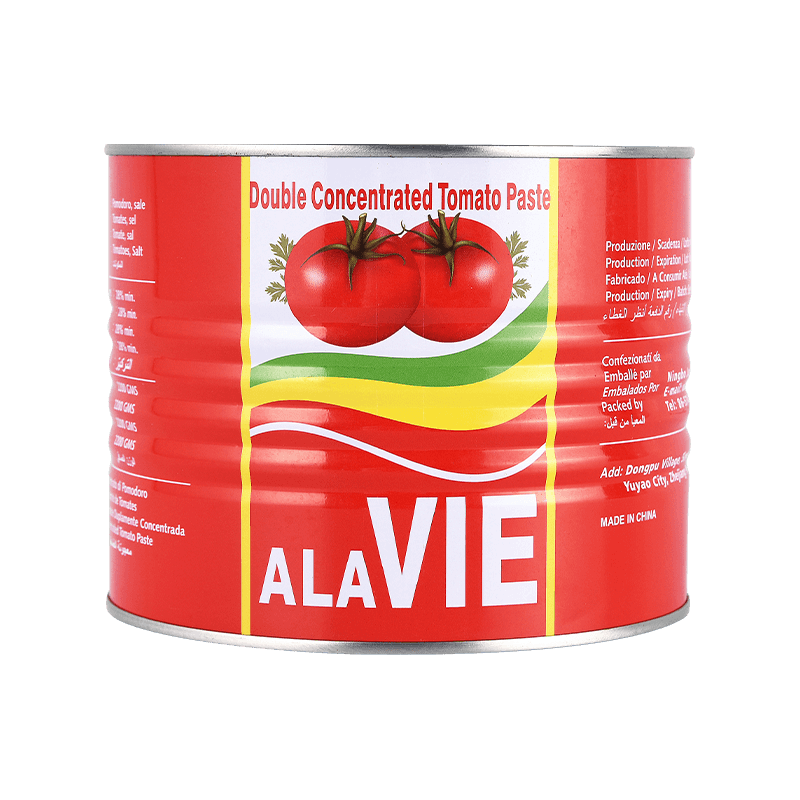
For pizza, double-concentrated tomato paste (labeled "doppio concentrato" in Italian products) produces a notably more complex, less metallic-tasting sauce than standard single-concentrate paste, because the longer reduction process develops more Maillard compounds and caramelized sugars during manufacture. Tube-packed tomato paste is also preferred over canned for single-pizza use because the tube format allows precise dispensing of small quantities and reseals between uses without exposing the remaining paste to air. If using canned paste, transfer leftover paste immediately to a glass jar with an olive oil surface barrier and refrigerate for up to 5 weeks, or freeze in tablespoon portions for up to 6 months.
Q6: How does tomato paste pizza sauce compare nutritionally to jarred pizza sauce?
Tomato paste on pizza provides superior nutritional density compared to an equivalent volume of jarred pizza sauce. Per the USDA FoodData Central (2023), 2 tablespoons of tomato paste delivers approximately 26 mg of lycopene, 6% DV of vitamin C, 8% DV of potassium, and 10% DV of vitamin A — all significantly higher than the same volume of jarred sauce, which is diluted with water and frequently contains added sugar (1–3 g per serving) and sodium (200–350 mg per serving) that unseasoned tomato paste does not. When you season tomato paste yourself, you control the exact sodium content — a meaningful benefit for sodium-conscious households.
Q7: Can I use tomato paste on frozen pizza or store-bought dough?
Yes — and it is one of the best ways to upgrade both. For store-bought pizza dough, spread 2–3 tablespoons of seasoned tomato paste as directed above before adding toppings; the results will be markedly better than any jarred sauce applied to the same dough. For frozen pizza that already has a sauce layer, you can add a thin additional layer of tomato paste on top of the existing sauce before adding cheese and toppings to boost the tomato flavor depth — a common technique among home cooks who find commercial frozen pizza sauce too bland. The extra paste layer adds perhaps 15–20 calories per serving while significantly elevating the overall flavor.
Quick Reference: How to Use Tomato Paste on Pizza
- Thin crust (12-inch): Spread 2–3 tbsp undiluted paste in a thin even layer, stopping 1 inch from edge. Drizzle with olive oil, season with salt, garlic powder, and dried oregano. No cooking needed.
- Standard crust (12-inch): Mix 3 tbsp paste with 1.5 tbsp water, 1 tsp olive oil, 1/4 tsp garlic powder, 1/4 tsp oregano, pinch of salt and sugar. Spread 4–5 tbsp of this sauce per pizza.
- Deep flavor upgrade: Fry 4 tbsp paste in 2 tbsp olive oil over medium heat for 2–3 minutes until darkened. Add 3 tbsp water, season, cool before using.
- Do not over-apply: A 2–3 mm layer is optimal — thick paste layers do not bake through properly and create a gummy texture under the cheese.
- Always season raw paste — it is unseasoned concentrate. The minimum additions are olive oil, salt, and dried oregano.
- Store leftover paste in a glass jar with olive oil on top, refrigerate for up to 5 weeks, or freeze in 1-tbsp portions for up to 6 months.
- Cost: A 6-oz can of tomato paste ($0.79–$1.29) makes enough sauce base for 4 to 6 twelve-inch pizzas — under $0.25 per pizza compared to $0.60–$1.20 for jarred sauce.
 No.1 Tongqianqiao Road, Dongpu Village, Simen Town, Yuyao, Zhejiang Province
  nbms@nbtomato.com
