
 EN
EN  English
 Français
 中文简体
中文简体


The fundamental difference between tomato puree and tomato paste is the concentration of tomato solids. Tomato puree is a moderately cooked and strained product with a tomato solids content typically ranging from 8% to 24%, giving it a pourable, sauce-like consistency. Tomato paste is cooked far longer and reduced to a much denser concentration, with a tomato solids content of 24% or higher, most commonly 28% to 30% for double-concentrate paste, resulting in a thick, spreadable product that delivers intense tomato flavor. According to the Codex Alimentarius international food standards, this distinction in soluble solids content—measurable as degrees Brix—is the legally recognized boundary between the two products. Understanding this difference between tomato puree and tomato paste is essential for cooks because they are not interchangeable in recipes without adjusting both the liquid content and the intensity of flavor.
Content
- How Tomato Puree and Tomato Paste Are Made Differently
- Key Differences at a Glance: Concentration, Consistency, and Flavor
- Understanding Degrees Brix: The Scientific Measurement of Tomato Concentration
- How to Substitute Tomato Puree for Tomato Paste, and Vice Versa
- Culinary Applications: When to Use Each Product
- Nutritional Differences Between Tomato Puree and Tomato Paste
- Frequently Asked Questions About Tomato Puree and Tomato Paste
How Tomato Puree and Tomato Paste Are Made Differently
The production process for both products begins identically—ripe tomatoes are washed, crushed, and strained to remove seeds and skins—but then diverges dramatically in the cooking and evaporation phase, which determines the final concentration and consistency. To make tomato puree, the strained tomato pulp is heated and cooked just long enough to evaporate some of the water content, reaching a soluble solids level of approximately 8 to 12 degrees Brix for a standard puree. The cooking time is relatively short, and the resulting product retains a bright, fresh tomato flavor and a consistency similar to a thin sauce. To make tomato paste, the same strained pulp is cooked for a much longer period under vacuum evaporation at reduced pressure, which allows water to be removed at lower temperatures, preserving color and flavor while concentrating the solids to 24 to 32 degrees Brix or higher. According to the World Processing Tomato Council, roughly 5.5 to 6.5 kilograms of fresh tomatoes are required to produce a single kilogram of double-concentrate tomato paste at 28% to 30% solids, while tomato puree at 10% solids requires only about 1.5 to 2.0 kilograms of fresh tomatoes per kilogram of finished product. This difference in raw material input is the primary reason tomato paste has a far more intense flavor and a much higher natural sugar, acid, and umami concentration than puree.
Key Differences at a Glance: Concentration, Consistency, and Flavor
The table below provides a direct, side-by-side comparison of tomato puree and tomato paste across all the dimensions that matter to a cook selecting the right ingredient for a recipe.
| Characteristic | Tomato Puree | Tomato Paste |
|---|---|---|
| Tomato Solids Content | 8%–24% (typically 10–12%) | 24%–32%+ (typically 28–30%) |
| Degrees Brix | 8–24 | 24–32+ |
| Consistency | Pourable liquid, similar to a thin sauce | Thick paste, holds shape on a spoon |
| Water Content | 76%–92% | 68%–76% |
| Flavor Intensity | Mild, fresh, slightly sweet | Concentrated, rich, deeply savory and umami |
| Natural Sugar Content (per 100g) | 3–6 grams | 12–18 grams |
| Typical Packaging | Cans, glass jars, cartons | Small cans, squeezable tubes, jars |
| Primary Culinary Role | Forms the liquid base of sauces, soups, and braises | Adds depth, color, and richness; used in small amounts |
Understanding Degrees Brix: The Scientific Measurement of Tomato Concentration
The food industry uses the Brix scale, which measures the percentage of soluble solids—primarily natural sugars, organic acids, and dissolved cell wall components—in a solution, to precisely define the boundary between tomato puree and tomato paste. One degree Brix equals one gram of soluble solids per 100 grams of product. A tomato puree measuring 10 degrees Brix contains approximately 10% dissolved tomato solids and 90% water, while a double-concentrate tomato paste at 28 degrees Brix contains 28% solids and 72% water. The Codex Alimentarius standard for processed tomato products establishes that products labeled as tomato puree must have a minimum soluble solids content of 8%, and products labeled as tomato paste must have a minimum of 24%. This is not an arbitrary distinction; it reflects the practical cooking properties of each product. A 28-degree Brix tomato paste contains roughly three times the concentration of flavor compounds, natural sugars, and acidity compared to a 10-degree Brix puree, which is why recipes typically call for tablespoons of paste but cups of puree. The Brix measurement is taken using a refractometer, a simple optical instrument that measures how much a beam of light bends when passing through a liquid sample, and it is the quality control standard used in every commercial tomato processing facility worldwide.
How to Substitute Tomato Puree for Tomato Paste, and Vice Versa
Tomato puree and tomato paste can be substituted for each other in recipes, but the substitution requires adjusting both the quantity used and the total liquid in the dish to compensate for the large difference in water content and flavor intensity. To substitute tomato paste for tomato puree, dilute the paste with water at a ratio of approximately 1 part paste to 2 to 3 parts water to approximate the consistency and flavor concentration of a standard puree. For example, to replace one cup of tomato puree, combine about 3 to 4 tablespoons of tomato paste with enough water to make one cup, then stir until smooth. To substitute tomato puree for tomato paste, the puree must be reduced by simmering it gently in an uncovered pan until it loses roughly two-thirds of its volume and darkens in color, a process that can take 15 to 25 minutes depending on the starting water content. One cup of tomato puree will reduce to approximately 3 to 4 tablespoons of paste-equivalent concentrate. It is important to note that reduced puree will not have exactly the same caramelized depth of flavor as commercially produced tomato paste, because the industrial vacuum evaporation process concentrates the tomatoes at a lower temperature and preserves more of the bright, fresh tomato notes alongside the savory intensity. In recipes where tomato paste is called for in small amounts—such as a tablespoon or two added to a stew or braise to deepen the flavor—substituting with reduced puree works well. In recipes where tomato paste is the primary flavor foundation, such as certain Italian ragù sauces or Middle Eastern tomato-based stews, the commercial paste delivers a distinctive taste that is difficult to replicate with home-reduced puree.
Culinary Applications: When to Use Each Product
The choice between tomato puree and tomato paste in a recipe is determined by whether the tomato ingredient is intended to function as the liquid foundation of the dish or as a concentrated flavoring agent that builds depth without adding excess moisture. The following guidance summarizes the typical roles of each product in cooking:
- Tomato puree is the correct choice when the recipe needs a smooth, even-textured tomato base that will form the body of a sauce, soup, or braising liquid. It is used in classic tomato soup, marinara sauce, pizza sauce, shakshuka, and as the cooking medium for meatballs or stuffed vegetables. Its mild, fresh flavor allows other ingredients to shine, and its consistency means it can be simmered for extended periods without scorching.
- Tomato paste is used when a recipe needs an intense hit of tomato flavor, a deep red color, and the savory umami richness that comes from the Maillard browning reactions that occur during its long cooking process. It is commonly added in small amounts—one to three tablespoons—to stews, braises, chili, meatloaf, Bolognese sauce, and curries. Many recipes instruct the cook to sauté the tomato paste in hot oil for a minute or two before adding liquids, a technique known as "blooming" that caramelizes the sugars further and drives off any residual metallic taste from the can.
Nutritional Differences Between Tomato Puree and Tomato Paste
Because tomato paste is a concentrated form of tomato puree, it delivers significantly more nutrients, natural sugars, and the antioxidant lycopene per equivalent weight, but the typical serving size of paste is much smaller, which roughly evens out the nutritional contribution in a finished dish. A 100-gram serving of tomato paste contains approximately 16 to 30 milligrams of lycopene, while the same weight of tomato puree contains roughly 5 to 10 milligrams. Lycopene, the carotenoid pigment that gives tomatoes their red color, is a potent antioxidant that has been studied extensively by the National Cancer Institute for its potential role in reducing the risk of prostate cancer and cardiovascular disease. Notably, the cooking process that produces both puree and paste significantly increases the bioavailability of lycopene compared to raw tomatoes, because heat breaks down the plant cell walls and transforms the lycopene into a more absorbable trans-isomer form. A two-tablespoon serving of tomato paste, which weighs about 33 grams, provides roughly 5 to 10 milligrams of lycopene, comparable to the amount in a half-cup serving of tomato puree. The potassium content follows the same concentration pattern, with tomato paste providing approximately 1,000 to 1,200 milligrams per 100 grams compared to 250 to 400 milligrams for puree. However, tomato paste also contains roughly three times the natural sugar per gram, which is important for individuals monitoring their carbohydrate intake.
Frequently Asked Questions About Tomato Puree and Tomato Paste
Can I freeze leftover tomato paste or tomato puree?
Yes, both products freeze well. Tomato paste can be spooned into ice cube trays in tablespoon-sized portions, frozen solid, then transferred to a freezer bag for long-term storage. Each cube is roughly one tablespoon, making it easy to use in future recipes without thawing the entire can. Tomato puree can be frozen in recipe-sized portions in airtight containers or freezer bags for up to six months. Freezing preserves the flavor and nutritional quality of both products effectively.
Is tomato sauce the same as tomato puree?
No, commercial tomato sauce usually contains added seasonings such as salt, sugar, onion powder, garlic powder, and herbs, whereas tomato puree is a single-ingredient product made solely from cooked and strained tomatoes. The difference between tomato puree and tomato paste is concentration; the difference between tomato puree and tomato sauce is seasoning. Tomato sauce is ready to use as a pasta topping or pizza base directly from the can, while tomato puree is a blank canvas that requires the cook to add salt, herbs, and other flavorings.
What is double-concentrate tomato paste?
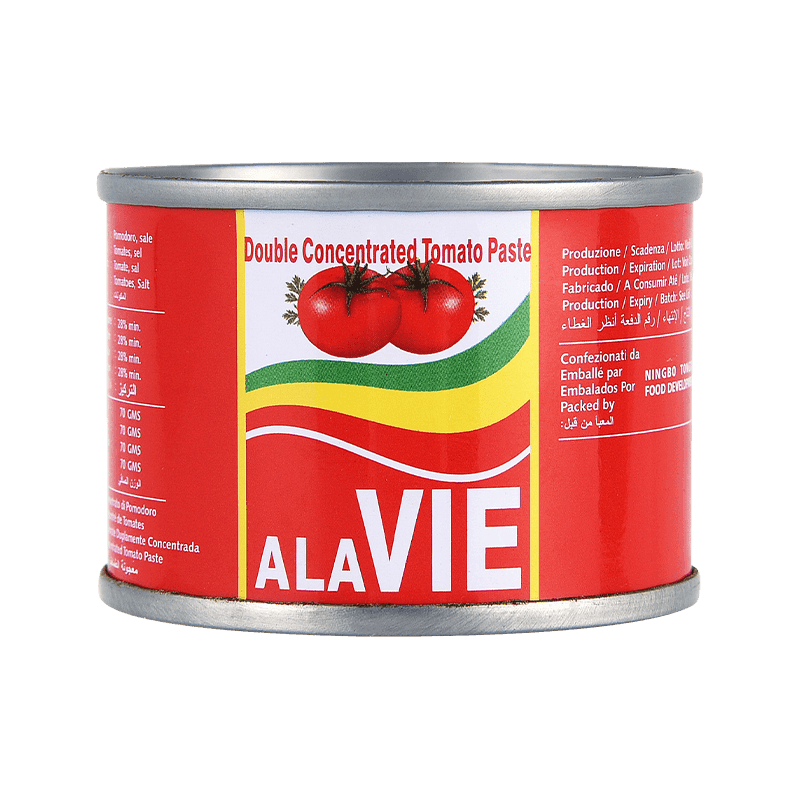
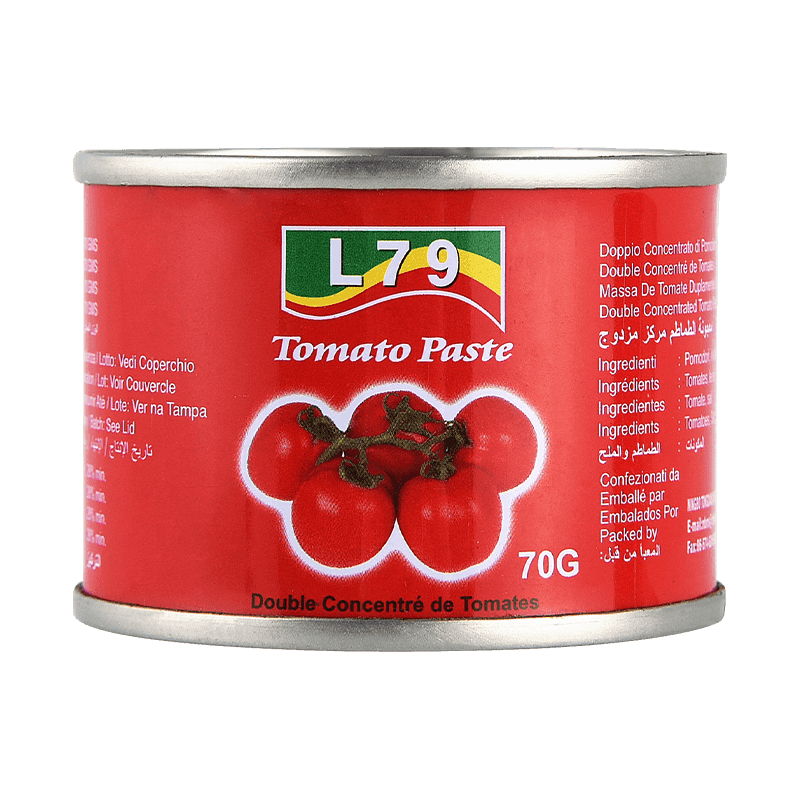
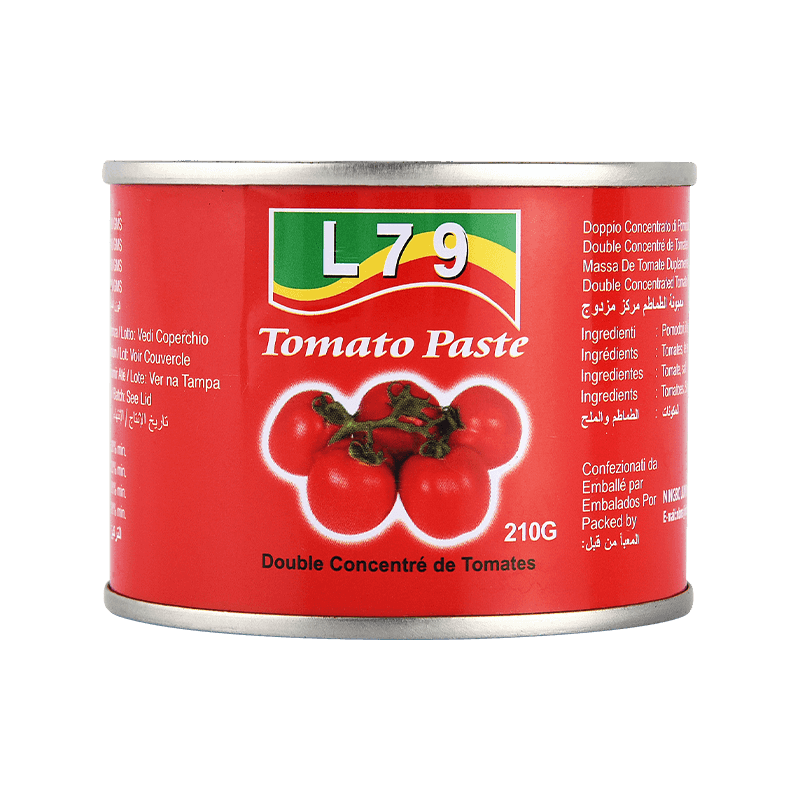
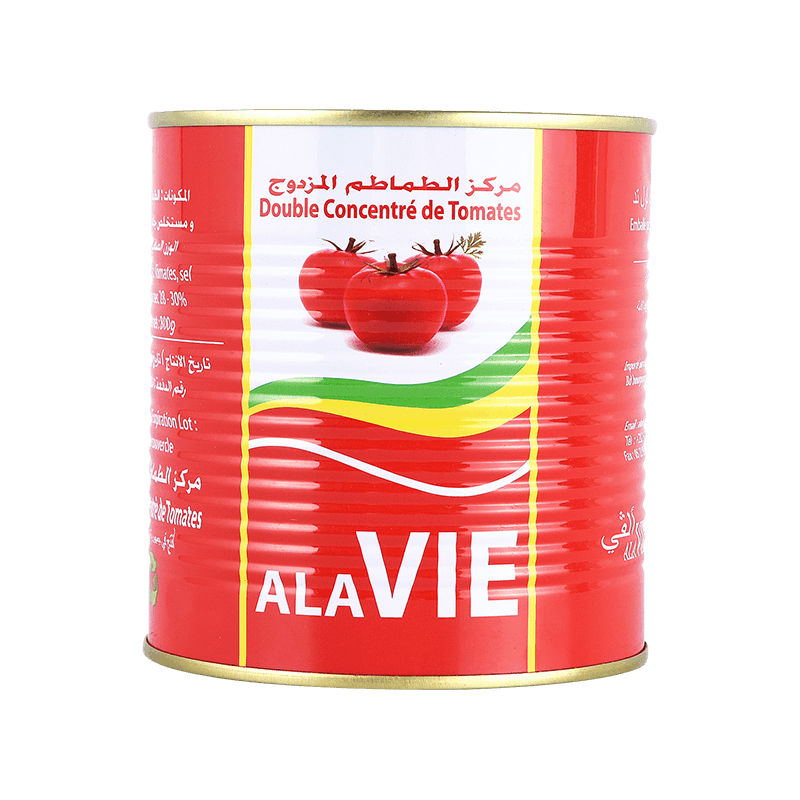
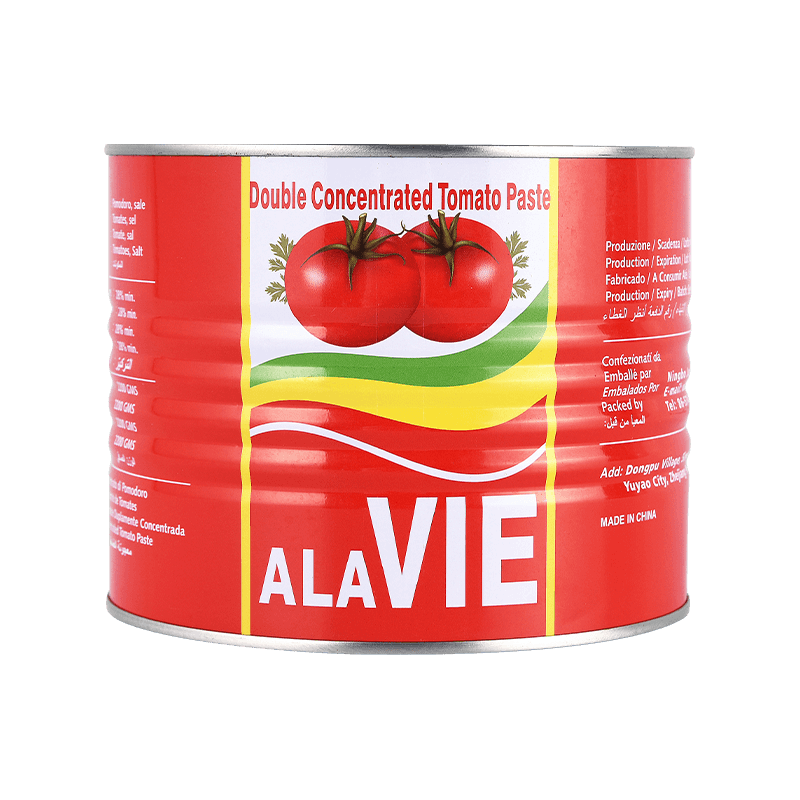
Double-concentrate tomato paste is the most common type sold in retail packaging, with a tomato solids content of 28% to 30%. The term "double-concentrate" refers to the fact that it has roughly twice the solids concentration of standard tomato puree. Triple-concentrate paste, with solids above 32%, is also produced but is more commonly used in industrial food manufacturing than in retail products. The concentrate level is always indicated on the label, either as a percentage of dry matter or as a Brix value.
The difference between tomato puree and tomato paste ultimately comes down to water content and the resulting intensity of flavor, color, and nutrients. Tomato puree is a lightly concentrated, pourable product that serves as the liquid foundation for sauces and soups, while tomato paste is a deeply concentrated, thick product that delivers a powerful burst of tomato richness in small amounts. Understanding this distinction—and knowing how to substitute one for the other by adjusting both the quantity and the liquid in a recipe—allows any cook to confidently use the full range of tomato products in the pantry.
 No.1 Tongqianqiao Road, Dongpu Village, Simen Town, Yuyao, Zhejiang Province
  nbms@nbtomato.com
