
 EN
 English
 Français
 中文简体



Pot roast with tomato paste is a braise that uses a small amount of concentrated tomato paste to build savory depth, color, and body without turning the gravy into tomato sauce. The paste is not a replacement for broth or wine; it is a seasoning step. For a 3- to 4-pound chuck roast, plan on 1 to 2 tablespoons of standard tomato paste, or 1 tablespoon if you are using double concentrated paste. Add it after searing the beef and softening the onions, cook it for 60 to 90 seconds until it darkens, then deglaze the pot. That order keeps the paste from tasting raw and gives the final sauce a rounded, beef-friendly flavor.
Content
Why Tomato Paste Belongs in a Pot Roast
Tomato paste is a concentrated source of glutamates, natural sugars, and pigments that improve braised beef. Unlike tomato sauce, paste has little water and no added sugar. When it is cooked in fat, it undergoes browning and caramelization, producing deep roasted notes. It also helps thicken the braising liquid slightly, so the finished sauce clings to the meat instead of pooling on the plate.
| Product | Water content | Added sugar | Best use in pot roast | Watch out for |
|---|---|---|---|---|
| Tomato paste | Low | None | Adds umami, color, and body | Burns quickly if heat is too high |
| Tomato sauce | High | Sometimes | Can replace some liquid in a pinch | Makes the sauce thinner and more acidic |
| Ketchup | Medium | Yes | Not recommended for braising | Adds sweetness and vinegar |
| Fresh tomatoes | Very high | None | Works in longer braises | Adds water and needs extra reduction |
The takeaway is simple: paste gives you concentration without extra liquid. If you substitute sauce or fresh tomatoes, you will need to adjust the broth and simmering time.
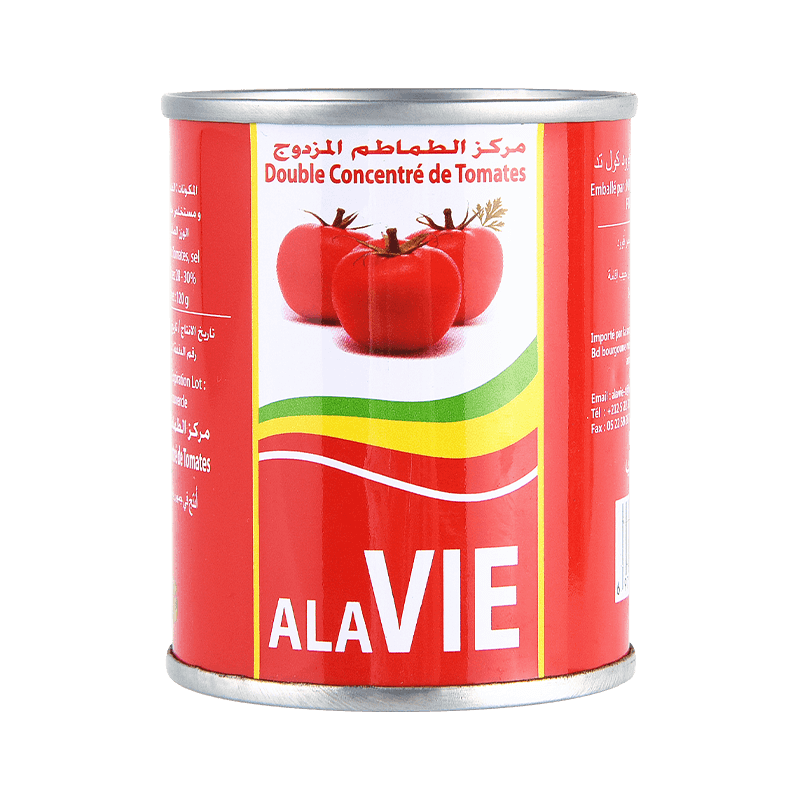
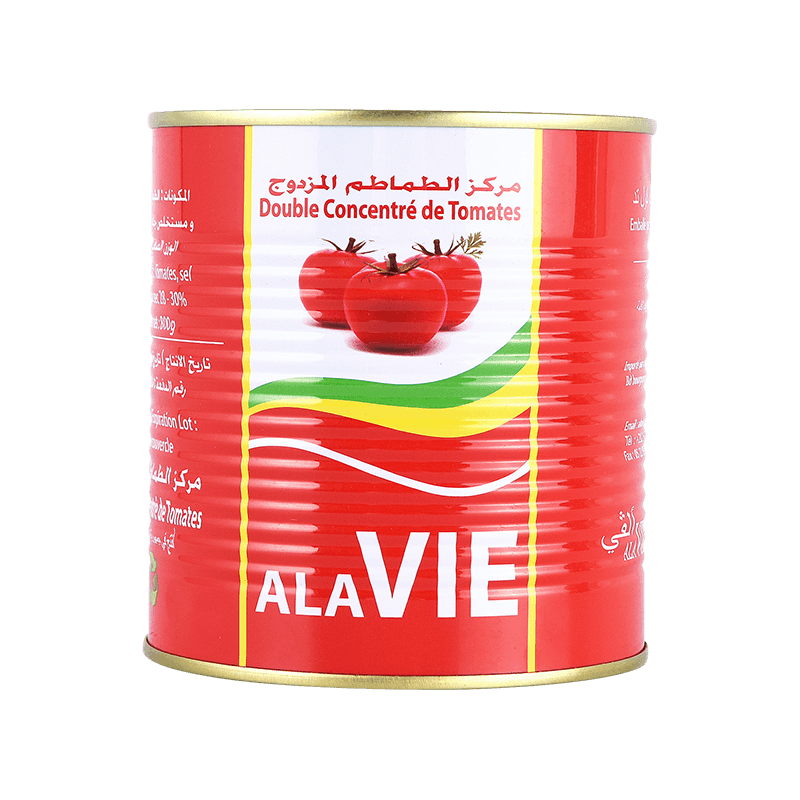
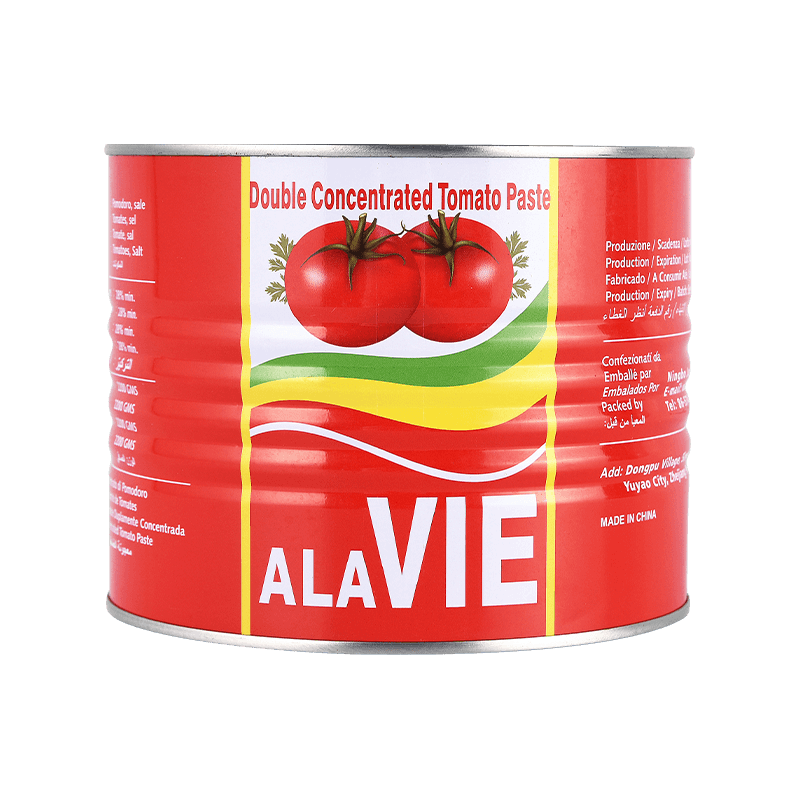
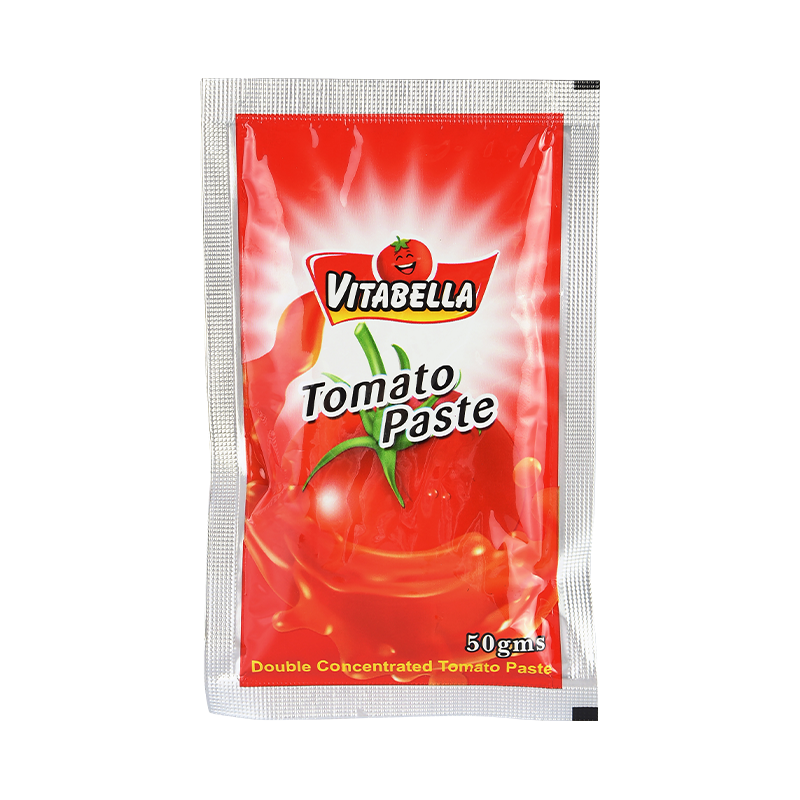 Double Concentrated Tomato Paste for BraisesDouble-concentrated paste that adds concentrated tomato flavor to beef braises and sauces without extra liquid.View Product →
How Much Tomato Paste for Different Roast Sizes
Use 1 tablespoon of standard tomato paste per 2 pounds of beef as a starting point, then adjust after tasting. If you are using double concentrated paste, start with half that amount. Too much paste can make the sauce pasty and overtly tomatoey, while too little leaves the braise tasting flat.
| Roast weight | Standard tomato paste | Double concentrated paste | Liquid | Approx. braise time |
|---|---|---|---|---|
| 2–3 lb | 1 tbsp | 1 tsp | 1.5 cups | 2.5–3 hours |
| 3–4 lb | 1.5–2 tbsp | 1–1.5 tsp | 2 cups | 3–3.5 hours |
| 4–5 lb | 2–2.5 tbsp | 1.5–2 tsp | 2.5 cups | 3.5–4 hours |
These ratios assume a covered Dutch oven at 300°F to 325°F. If you braise on the stovetop, keep the liquid at a bare simmer and check the pot every 30 minutes. The paste amount should scale with the meat, not with the liquid alone.
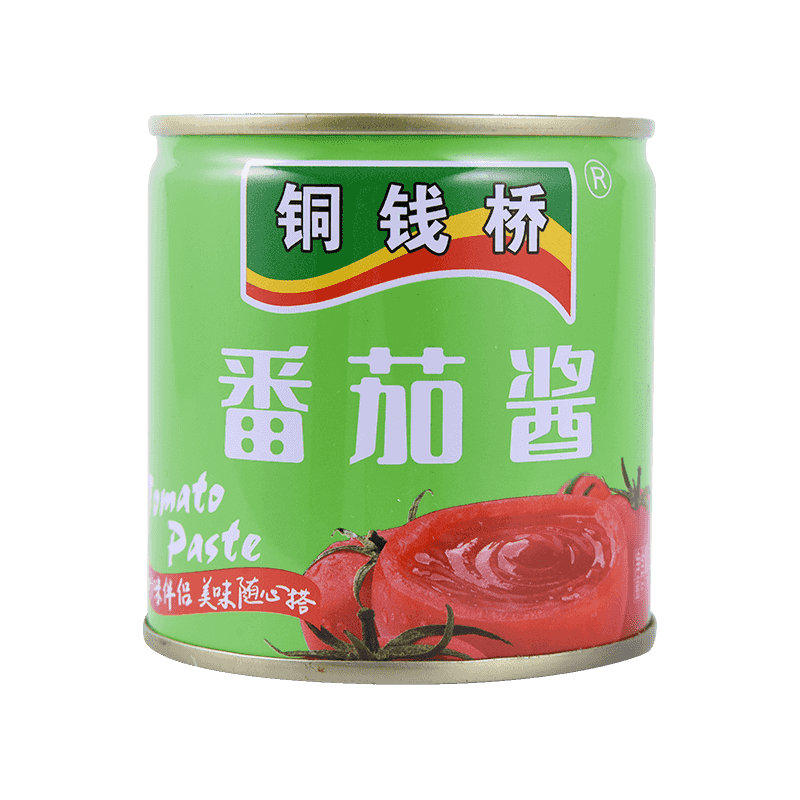
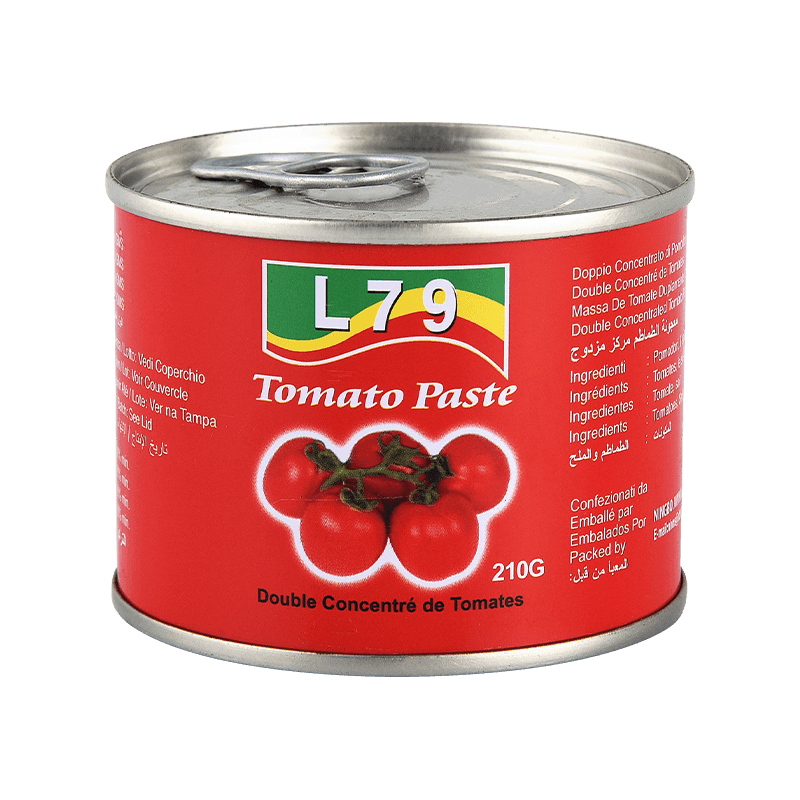 400g Easy-Open Canned Double Concentrated Tomato PasteCompact 400g can of double-concentrated paste, convenient for braising, with easy-open design for home cooks and everyday cooking.View Product →
When to Add Tomato Paste: The Order Matters
Add tomato paste after searing the beef and sautéing the aromatics, but before you add the braising liquid. This step, often called blooming, cooks out the raw tinny flavor and lets the paste darken into a brick-red paste that dissolves evenly into the sauce.
- Pat the roast dry, season it generously with salt and pepper, and sear it in a heavy pot until deeply browned on all sides. Remove the roast and set it aside.
- Lower the heat, add diced onion, carrot, and celery, and cook until softened and lightly golden, about 8 to 10 minutes.
- Stir in the tomato paste. Cook for 60 to 90 seconds, stirring constantly, until the paste darkens and smells sweet rather than sharp.
- Pour in a splash of wine or broth to deglaze the pot, scraping up the browned bits. Let it reduce by half.
- Return the roast, add the remaining broth, herbs, and any other seasonings, then cover and transfer to the oven.
For stews and similar braises, double concentrated tomato paste in stews can reduce cooking time and deepen flavor; the same principle applies here. The key is to give the paste direct contact with hot fat before the liquid goes in.
Choosing the Right Tomato Paste
Double concentrated tomato paste is the most efficient choice for pot roast because it delivers more solids and flavor per tablespoon. Check the ingredient list and look for tomatoes and salt, with no added sugar, starch, or flavorings. Standard paste is usually around 24 to 28 percent solids, while double concentrated paste is often 28 to 30 percent or higher.
- For a 3- to 4-pound roast, a 400g can or jar is a practical size and leaves enough for another meal.
- If you braise often, a larger can or jar reduces packaging waste and cost per serving.
- For single servings or recipe testing, small sachets or tubes let you use exactly what you need without opening a large can.
Avoid products labeled as pasta sauce or ketchup, even if they contain tomatoes. They bring sugar, vinegar, and herbs that compete with the beefy braise you are trying to build.
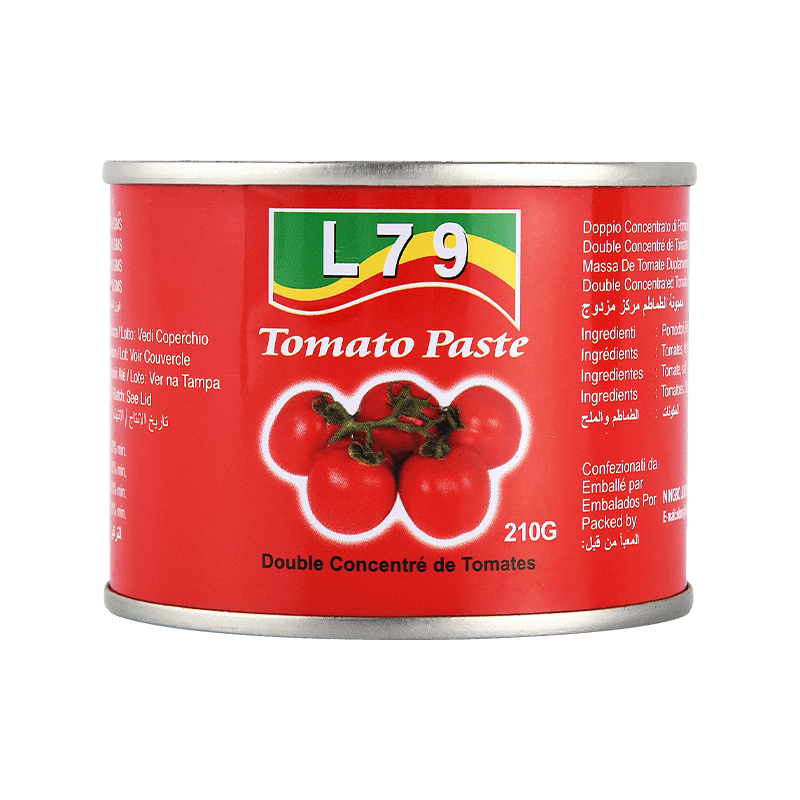
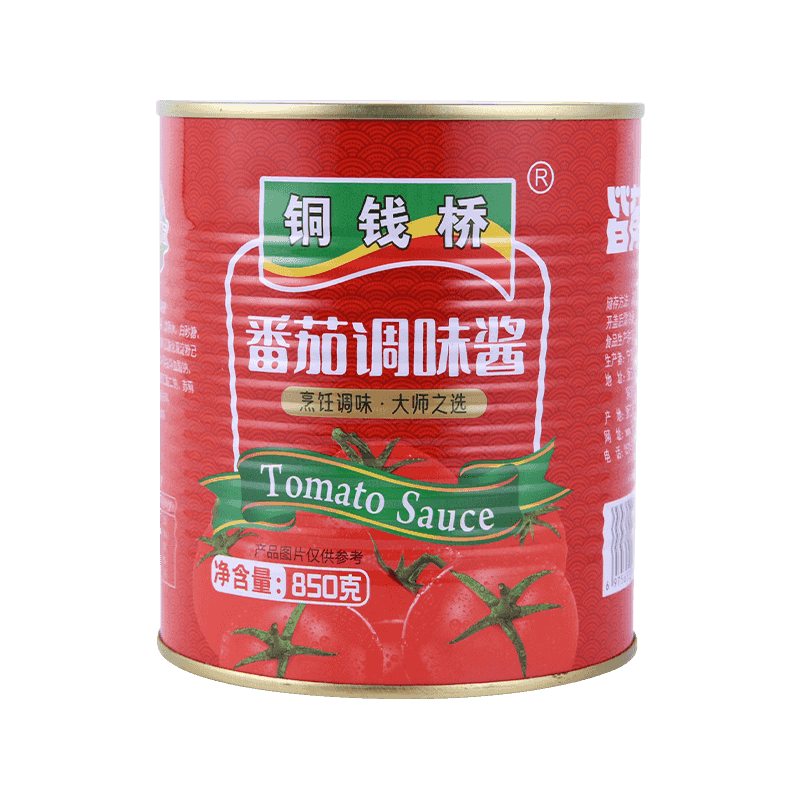
 850g Canned Double Concentrated Tomato Paste for Bulk CookingLarge 850g canned double-concentrated paste for home or restaurant use, adding rich tomato flavor to pizza, pasta, soups, and stir-fries.View Product →
Common Mistakes and How to Fix Them
The most common mistakes are using too much paste, failing to cook it out, and reaching for sweetened tomato products. Each has a straightforward fix.
- Too much paste: The sauce tastes like tomato soup. Fix it by adding more unsalted broth and simmering uncovered for 10 to 15 minutes. A small knob of butter can round out the flavor.
- Raw paste flavor: You added the paste with the liquid instead of blooming it. Fix it by simmering longer, but next time cook the paste in fat until it turns brick red.
- Ketchup or pasta sauce instead of paste: The braise tastes sweet and acidic. Fix it by adding a splash of Worcestershire sauce or soy sauce and more broth, then reduce. Do not add more tomato products.
- No browning: The paste stays pale and the sauce looks thin. Fix it by using a wide pan and higher heat for the paste step, stirring constantly.
Step-by-Step Pot Roast with Tomato Paste
A reliable method is sear, sauté, bloom, deglaze, and braise at 300°F to 325°F until the meat is fork-tender. The exact time depends on the cut and thickness, so start checking at the two-hour mark.
- Preheat the oven to 325°F. Season a 3- to 4-pound chuck roast with salt and pepper.
- Heat 2 tablespoons of oil in a Dutch oven over medium-high heat. Sear the roast for 4 to 5 minutes per side, then transfer it to a plate.
- Reduce the heat to medium. Add 1 diced onion, 2 diced carrots, and 2 diced celery stalks. Cook until softened, about 8 minutes.
- Add 1.5 to 2 tablespoons of standard tomato paste, or 1 to 1.5 teaspoons of double concentrated paste. Cook for 60 to 90 seconds, stirring constantly.
- Pour in 1/2 cup of dry red wine or extra broth. Scrape the bottom of the pot and let the liquid reduce by half.
- Return the roast and any juices. Add 1.5 to 2 cups of beef broth, 2 sprigs of thyme, 1 bay leaf, and 1 teaspoon of salt. The liquid should come about halfway up the roast.
- Cover and transfer to the oven. Braise for 2.5 to 3.5 hours, turning the roast once halfway through, until it shreds easily with a fork.
- Transfer the roast to a cutting board. Skim excess fat from the sauce, then simmer it on the stovetop if you want a thicker gravy. Slice or shred the meat and return it to the sauce.
Frequently Asked Questions
Can I use tomato sauce instead of tomato paste?
Yes, but you will need to reduce the liquid and expect a thinner, more acidic sauce. Use about 1/2 cup of tomato sauce to replace 1 tablespoon of paste, and reduce the broth by 1/2 cup. The final flavor will be lighter and less concentrated.
Does tomato paste make pot roast taste like tomatoes?
Not if you use 1 to 2 tablespoons and cook it out properly. The paste adds savory depth and color. The finished sauce should taste beefy and rich, not like marinara. If it does taste too tomatoey, you likely used too much or did not bloom it.
Can I use double concentrated tomato paste?
Yes, and you should use about half the amount. One teaspoon of double concentrated paste can replace two teaspoons of standard paste. It is a good choice when you want a deeper flavor without adding extra water.
How do I fix a pot roast that tastes too tomatoey?
Dilute the sauce with unsalted broth, add a tablespoon of butter, and simmer uncovered for 10 to 15 minutes. A small amount of soy sauce or Worcestershire sauce can add savory notes, but avoid adding more tomato products.
To sum up, tomato paste is a small ingredient with a large effect in pot roast. Use 1 to 2 tablespoons for a standard 3- to 4-pound roast, add it after searing and before the liquid, and cook it until it darkens. If you keep the amount modest and let it bloom in fat, you get a deeper, richer braise without a tomato-sauce flavor. Adjust the liquid and salt after the roast is tender, and the final dish will be balanced, glossy, and fork-tender.
 No.1 Tongqianqiao Road, Dongpu Village, Simen Town, Yuyao, Zhejiang Province
 nbms@nbtomato.com

