
 EN
 English
 Français
 中文简体



Yes, you can eat tomato paste raw, straight from the can or the tube, and a spoonful will not harm a healthy adult. The real issue is not safety but flavour: paste eaten straight from the pack is dense, acidic and slightly tinny, so most people find it unpleasant rather than dangerous.
That distinction matters to two groups. Home cooks want to know whether a taste from the spoon is safe and whether it is worth using uncooked. Buyers and kitchen managers want to know how long an opened pack stays good, which pack size suits cold use, and what to look for on a spec sheet. Both questions come down to the same fact: commercial tomato paste has already been cooked once at the factory, so "raw" here only means you are skipping a second cooking step at home.
Content
- What "raw" really means for tomato paste
- What raw tomato paste actually tastes like
- Is it safe to eat tomato paste straight from the can?
- Nutrition: does cooking the paste again change anything?
- Raw versus bloomed: what changes in the pan
- When eating tomato paste raw makes sense
- How to tame raw paste without a long cook
- The 90-second fix: blooming paste in oil
- Storage after opening
- Buying considerations: what to check before ordering
- Frequently asked questions
What "raw" really means for tomato paste
Commercially packed tomato paste is not raw in any agricultural sense, because the tomatoes are cooked and concentrated before the pack is sealed.
Production typically runs through washing, crushing, a hot-break heating step, removal of skins and seeds, then vacuum evaporation to drive off water. Double concentrated paste usually lands around 28 to 30 Brix, while single-strength products sit lower. Filled cans, jars or sachets then receive their own heat process before leaving the plant. By the time the pack reaches your kitchen, the tomato has been heated at least twice.
So eating tomato paste "raw" simply means using it without further cooking. The product is safe to taste, but its flavour is still in a tightly locked, concentrated state.
What raw tomato paste actually tastes like
Straight paste tastes sharp, dense and flat rather than fresh, and that flatness is a direct result of concentration.
- Acidity: tomato paste usually sits around pH 4.0 to 4.6, so a spoonful hits the tongue as a sour, almost vinegar-like edge before any sweetness arrives.
- Density: with most of the water gone, sugars and solids are packed into a small volume, which reads as heaviness rather than freshness.
- A metallic or tinny note: more noticeable in cans than in tubes or sachets, especially if the paste has been sitting open in the tin.
- Missing aroma: the volatile compounds that make a ripe tomato smell sweet are largely lost during evaporation, so cold paste smells muted and tastes one-dimensional.
- Added salt or sugar: plain paste contains only tomatoes, but "flavoured" or "sauce-style" packs often carry salt, sugar and spices, which changes how much you can eat straight.
Is it safe to eat tomato paste straight from the can?
A freshly opened, undamaged commercial pack is safe to eat uncooked, and the risk only begins after the pack has been open for a while.
Sealed paste is a commercially sterile, high-acid product, which is why it keeps on a shelf for years. Its acidity also makes it a poor environment for the bacteria that cause the most serious foodborne illness, which is why canned tomato products are not treated like low-acid vegetables. The practical hazards are different:
- Damaged packaging: discard any can that is bulging, leaking, badly dented on the seam, or smells off when opened.
- Mould after opening: a thin white or green film on the surface means the whole container should go, not just the top layer.
- Time in the fridge: transfer leftovers out of the tin into glass or plastic, and use within about five to seven days; tube and sachet products usually run longer, so follow the label.
- Metal contact: leaving a steel spoon standing in an open can speeds up that metallic taste and can stain the surface.
Nutrition: does cooking the paste again change anything?
Reheating does not damage the most valuable part of tomato paste, because lycopene is already more available in paste than in fresh tomatoes, and a little fat improves absorption further.
Heat breaks down cell walls and shifts lycopene into a form the body takes up more easily, so concentration works in your favour: a tablespoon of paste delivers a meaningful dose in a very small volume. Vitamin C is the opposite case, since it degrades with heat and long storage, and a heavily concentrated paste is not a serious vitamin C source. Watch the sodium line if the pack is salted — one or two tablespoons is a normal culinary amount, several spoons a day is where salt adds up.
Raw versus bloomed: what changes in the pan
Ninety seconds in hot oil transforms paste more than any other single step, because heat and fat rebuild the aroma that concentration stripped out.
| Aspect | Straight from the pack | Bloomed in oil for 90 seconds |
|---|---|---|
| Aroma | Muted, faintly cooked-flat | Sweet, rounded, distinctly tomato |
| Acidity | Sharp and forward | Softer, balanced by fat |
| Colour | Bright but uneven in a cold mix | Deeper red, glossy |
| Metallic edge | Noticeable, especially from a can | Mostly gone |
| Best use | Cold sauces, dressings, marinades, dips | Pasta sauces, stews, pizza base, braises |
When eating tomato paste raw makes sense
Uncooked paste works best in cold or off-heat applications where you want concentrated tomato flavour without a long simmer.
- Loosen a teaspoon into mayonnaise or thick yogurt for a sandwich spread or burger sauce.
- Whisk into vinaigrette, marinades and rubs, where the acidity does useful work tenderising and brightening.
- Stir into a finished soup, bean pot or curry after the heat is off, so the fresh-sharp edge survives.
- Spread thinly on pizza dough under the cheese, where the oven does the cooking for you.
- Build a quick cocktail or a tomato-based dressing base, where a small amount of dense paste beats watery passata.
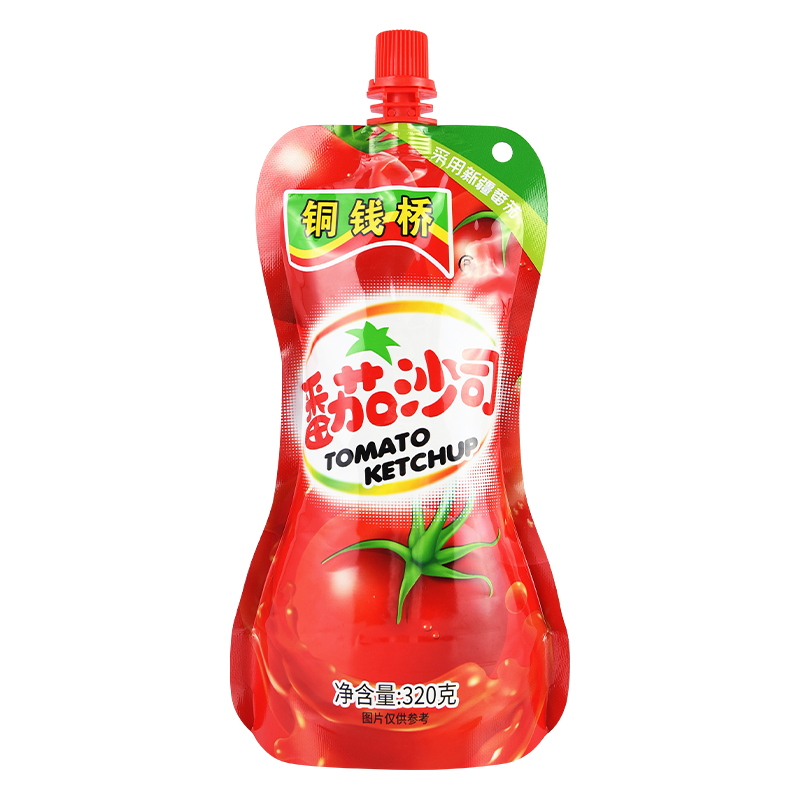
For single servings and cold use, portion size matters more than pack price. A resealable 320g sachet with a cap keeps oxygen out and lets you take a spoonful at a time without opening a whole can, which is why it suits dressings, sandwiches and small households better than a large tin.
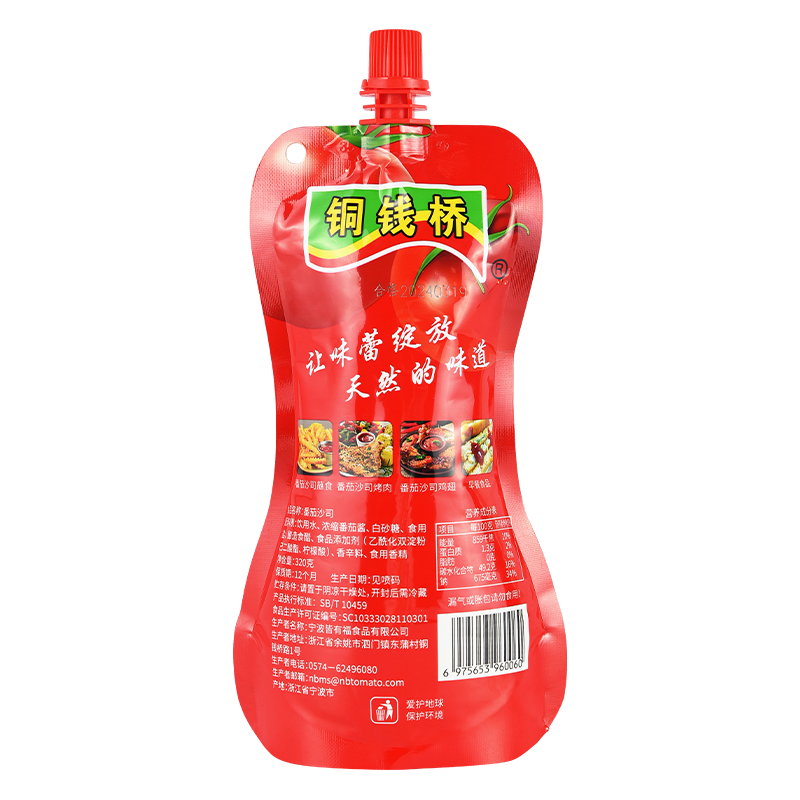 320g Sachet tomato paste with capOur 320g sachet tomato paste features a zero-fat formula, ideal for health-conscious individuals. With no added sugar, natural ingredients create a lightly sweet flavo...View Product →
How to tame raw paste without a long cook
You can fix the sharpness of raw paste in under a minute with water, salt, fat or acid, and the right ratio depends on how thick you want the result.
| Target consistency | Paste to water | Typical use |
|---|---|---|
| Thick spread | 1 : 0.5 | Pizza base, bruschetta, sandwich layer |
| Sauce base | 1 : 1 to 1 : 2 | Pasta sauce, casserole base |
| Soup body | 1 : 3 | Broth, minestrone, stew liquid |
- Fat: a drizzle of olive oil, a knob of butter or a spoon of cream rounds off the acid bite.
- Salt: a small pinch makes the sweetness readable; taste the pack first if it is already salted.
- Acid: counter-intuitive but effective — a few drops of vinegar or lemon sharpen a paste that tastes merely flat.
- Sugar: a quarter teaspoon is enough for a whole pan; more turns the dish jammy.
If you keep paste on hand mainly for cooking rather than cold use, buying a properly graded concentrate makes the dilution predictable from batch to batch. The double concentrated tomato paste range is specified by solids level, so a recipe that worked once will work again.
The 90-second fix: blooming paste in oil
Blooming is faster than simmering and gives most of the flavour benefit, so it is worth learning as a habit rather than a recipe.
- Warm one to two tablespoons of oil in a wide pan over medium heat.
- Add the paste and spread it thin so it contacts the pan evenly.
- Stir almost continuously for 60 to 90 seconds, until the colour darkens and the smell turns sweet rather than sour.
- Add liquid immediately to stop the cooking, then scrape the base of the pan clean.
The failure mode is heat that is too high: paste that scorches turns bitter within seconds and no amount of sugar will rescue it. If the pan starts smoking, pull it off the heat and add a splash of water before continuing.
Storage after opening
Opened paste keeps about five to seven days in the refrigerator, and freezing in tablespoon portions is the more practical option if you only use a little at a time.
- Move leftovers into a small glass jar rather than leaving them in the tin.
- Press the surface flat to reduce the air gap, then add a thin film of olive oil.
- Label the date; flavour fades before visible spoilage appears.
- Freeze level tablespoons on a tray, then bag them — they drop straight into a hot pan later.
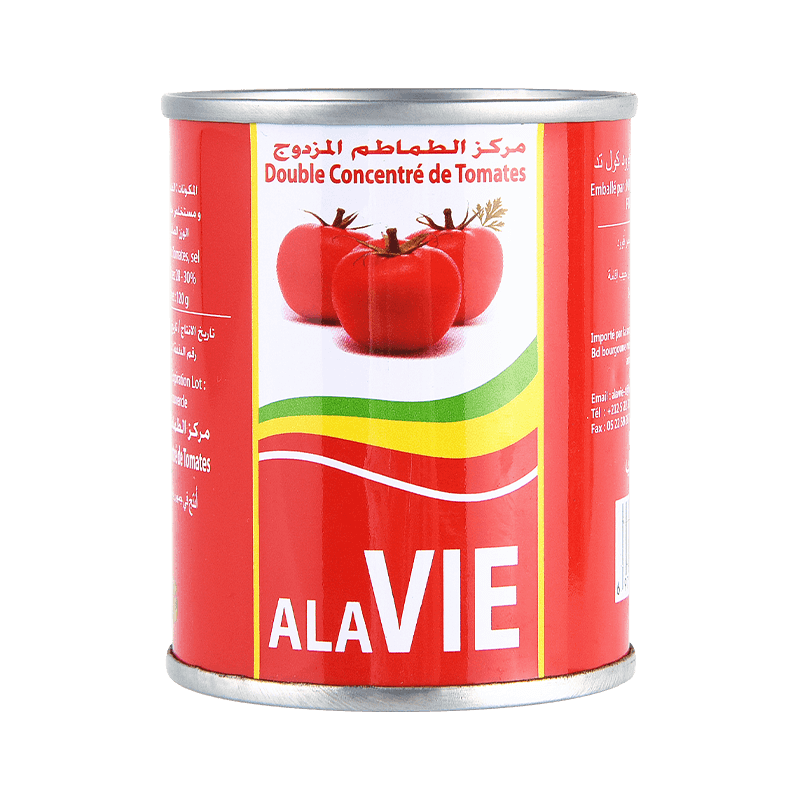
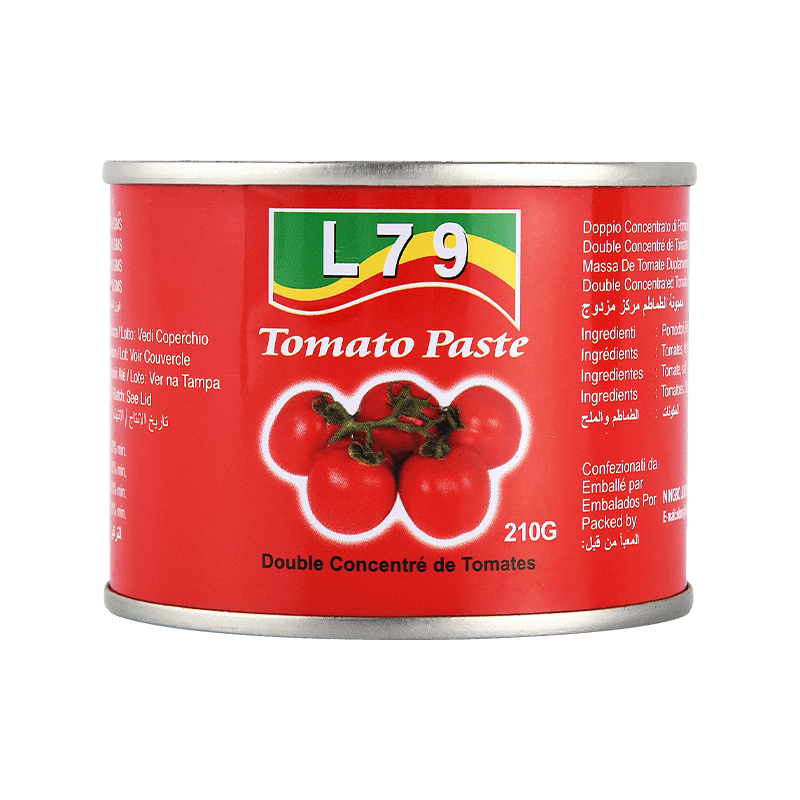
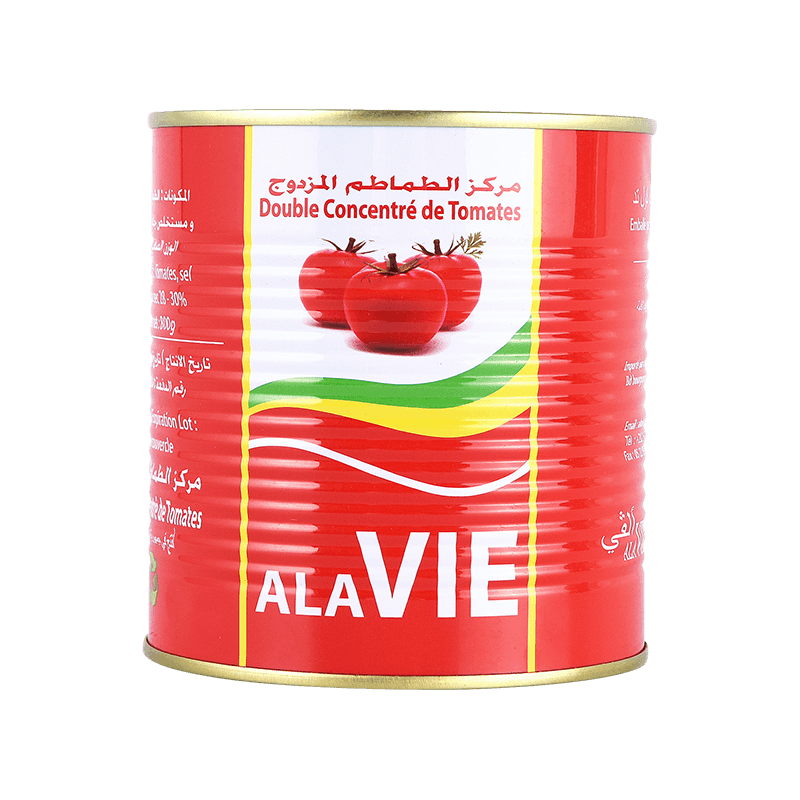
Smaller cans solve the same problem differently. A 210g easy-open can is roughly four generous cooking portions, which is usually finished before quality drops, and the easy-open lid avoids the knife-and-tin ritual that puts people off canned paste in the first place.
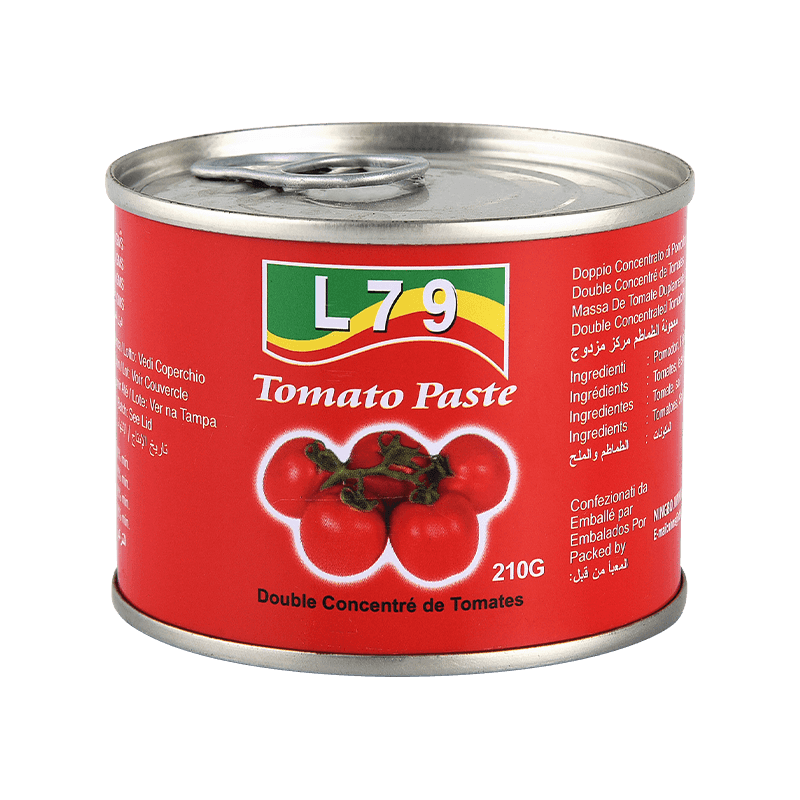 210g Easy-Open or Hard-Open Flavored Tomato PasteA compact can suited to a few cooking portions; easy-open lid, bright tomato flavor, and no artificial colors or flavorings.View Product →
Buying considerations: what to check before ordering
The two things that matter most on a specification are the solids level and whether anything besides tomatoes went into the pack.
- Ingredients: plain paste lists tomatoes only; flavoured or sauce-style products add salt, sugar and sometimes onion or garlic, which limits how you can season the dish.
- Brix or concentration: double concentrate near 28 to 30 Brix needs real dilution; single-strength paste can be used closer to spoon-for-spoon.
- Pack format: tins for volume, tubes and sachets for oxygen control and portion accuracy, squeeze bottles for front-of-house service.
- Can condition: check seams and linings on arrival, and ask for lot traceability and shelf-life statements if you are buying in bulk.
- Usage pattern: kitchens that use paste cold every day should buy smaller units; kitchens that simmer litres of sauce should buy large and decant.
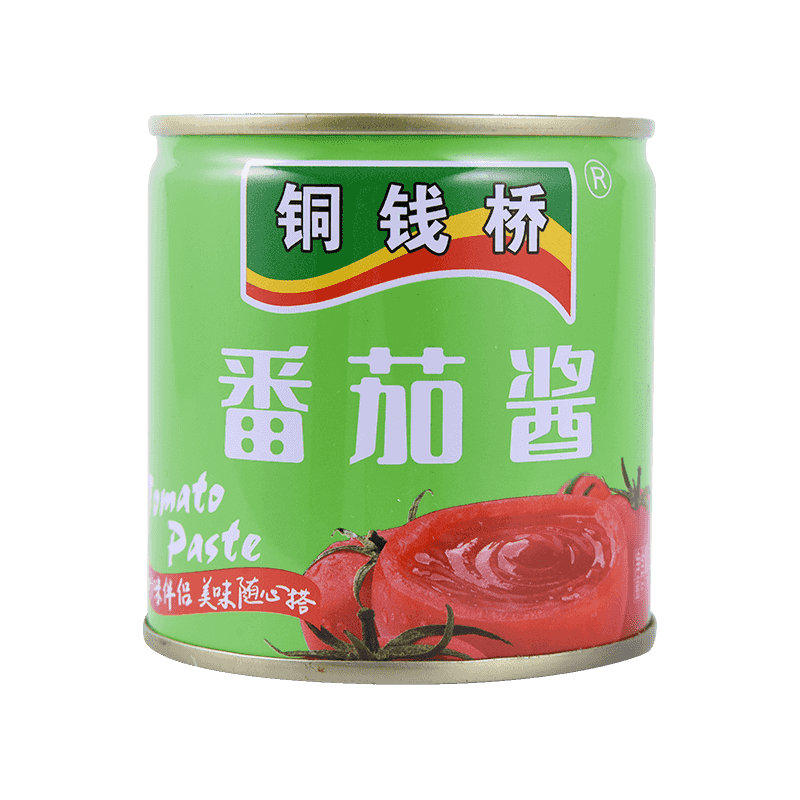
Bulk buyers also need to match pack size to daily consumption, because a 3kg can opened on a quiet day becomes a waste item by the weekend. The canned tomato paste range runs from 60g single portions to 4500g catering tins, so the same supplier can cover a sandwich station and a sauce kettle.
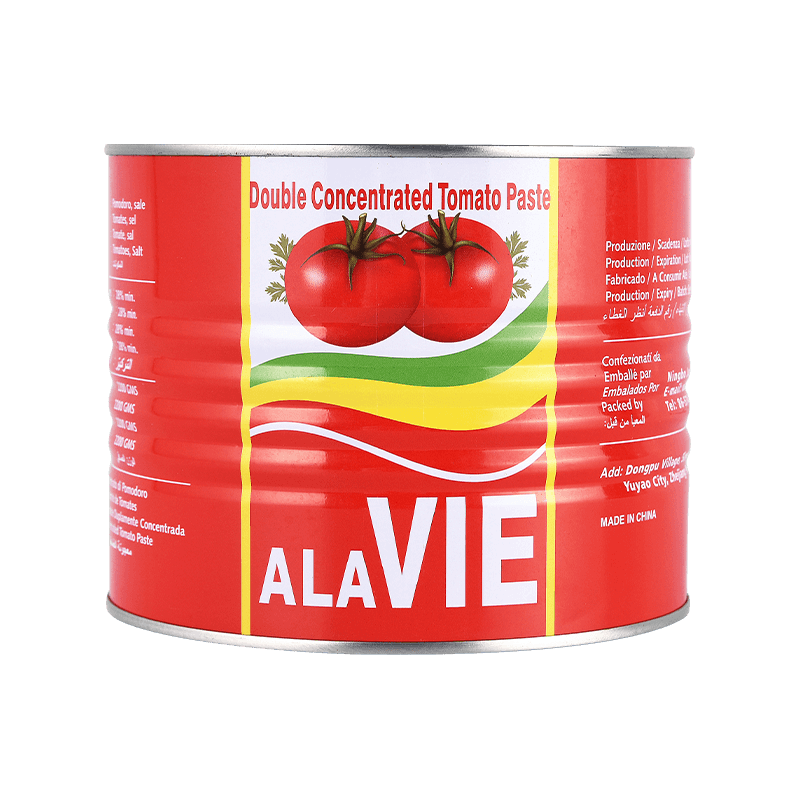
For high-volume sauce production, a 3000g easy-open can of double concentrate offers a sensible middle ground: enough volume per tin to avoid constant decanting, but not so much that an opened tin outlives its safe refrigerated window.
 3000g Easy-Open Double Concentrated Tomato PasteBulk easy-open can for foodservice and batch sauce production, with strong sealing and all-natural tomato paste for pasta and pizza.View Product →
Frequently asked questions
Can you eat tomato paste raw from the can?
Yes. A spoonful from a freshly opened, undamaged can is safe for most adults, and the product was already heat-treated during manufacture. Refrigerate whatever remains and use it within about a week.
Will raw tomato paste upset your stomach?
It can cause discomfort for people prone to reflux or sensitive to acidic foods, mainly because concentration makes the acidity so direct. A small amount eaten with a meal, or paste diluted and mixed with fat, is usually easier to tolerate.
Is raw tomato paste healthier than cooked paste?
No — cooking the paste a second time actually helps, because lycopene is better absorbed from a heated, concentrated product eaten with a little fat. The only advantage of eating it cold is convenience.
Can you stir raw paste straight into pasta?
You can, but it will taste flat and slightly sour. Dilute it with a spoon of pasta water, add olive oil or butter, and give it 60 to 90 seconds in the pan for a noticeably rounder result.
How much raw tomato paste is too much?
One or two tablespoons is a normal culinary amount. Eating considerably more in one sitting brings a lot of acidity, and if the pack is salted, a large share of your daily sodium.
Does opened tomato paste really expire in a week?
Refrigerated paste in a clean container is typically good for five to seven days; tube products often last longer on the label. Any mould, fizzing or off smell means discard it, regardless of the date.
Eating tomato paste raw is safe, cheap and occasionally exactly right — a spoon in a marinade, a smear under pizza toppings, a quick fix for a sauce that needs depth. What it is not is a substitute for cooking when you want aroma. If you remember one thing, make it this: paste needs either water, fat or heat to taste like the tomato you expected, and ninety seconds in a warm pan does more for it than ten minutes of simmering in liquid.
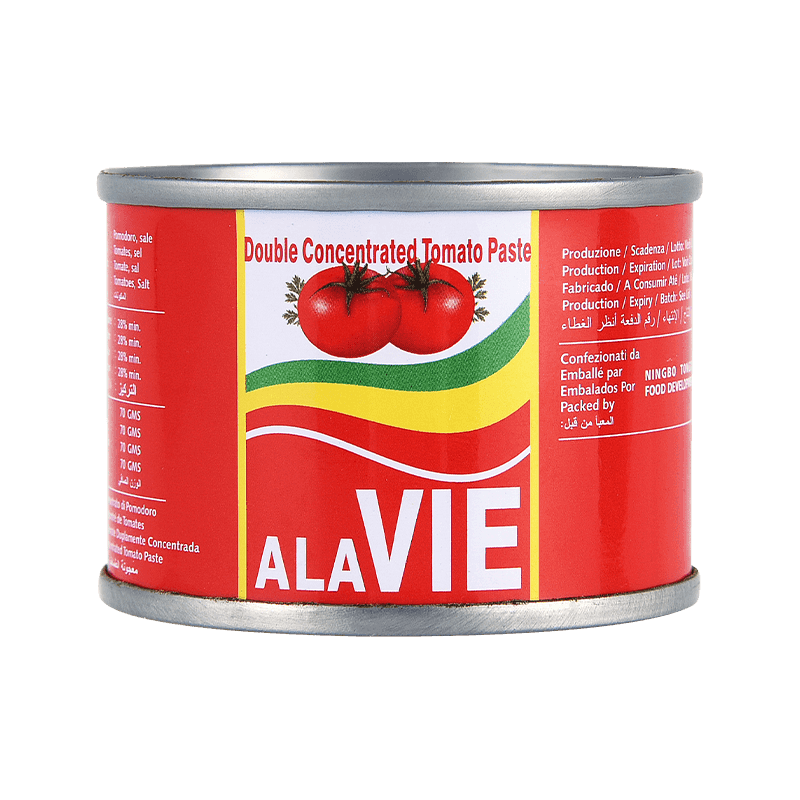
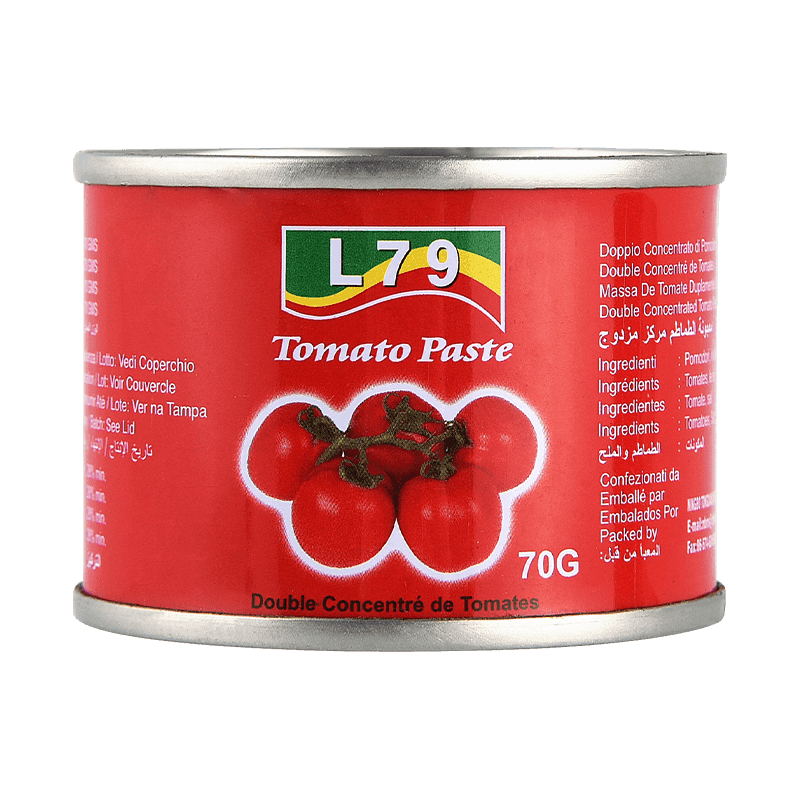
 No.1 Tongqianqiao Road, Dongpu Village, Simen Town, Yuyao, Zhejiang Province
 nbms@nbtomato.com

