 EN
 English
 Français
 中文简体
Home / News / Industry News / Can I Substitute Tomato Paste for Ketchup? Ratios and Rules for Cooking
News


Can I Substitute Tomato Paste for Ketchup? Ratios and Rules for Cooking
 2026.11.23
 Industry News
Yes, you can substitute tomato paste for ketchup, but only as a base, never as a straight spoon-for-spoon swap. Ketchup is a finished condiment: tomato concentrate plus sugar, vinegar, salt and spice. Tomato paste is concentrated tomato and very little else. Used cold, undiluted and unseasoned, it gives you a dense, sour, faintly bitter smear that tastes nothing like ketchup. Add water for body, sugar for roundness, vinegar for lift and a pinch of salt and onion powder, and most cooked dishes will not notice the difference at all.
Most questions online run the opposite way, because ketchup is what sits in the fridge door. The direction that actually needs rules is this one, and the rules are simple: know what changes in the numbers, know the rebuilding ratio, and know which dishes will forgive you and which will not.
Content
The Short Answer, in Numbers
The gap is smaller in sugar than most people expect and far larger in salt, acid and texture, which is why the swap is a re-balancing job rather than a measuring job.
Ketchup and double concentrated paste sit at similar total solids, but they get there differently: ketchup through sugar syrup and vinegar, paste through tomato pulp alone. That single difference explains almost every failure.
| Measure | Tomato ketchup | Double concentrated tomato paste |
|---|---|---|
| Sugar | 3.5 to 4.5 g | 1.5 to 2.5 g, all natural |
| Added acid | Vinegar, sharp and forward | None added; rounder tomato acidity |
| Sodium | 150 to 190 mg | 10 to 25 mg |
| Fibre | Under 0.2 g | About 1 g |
| Consistency | Pourable, glossy | Dense pulp, matte |
| Behaviour in a hot pan | Sweet, browns fast | Scorches when dry; needs liquid |
Why a Straight Swap Fails: Three Gaps
Three things carry ketchup's identity, and paste supplies none of them on its own: sugar, vinegar and the water that keeps it pourable.
Sugar carries the flavour
Roughly a fifth of ketchup by weight is sugar. That sweetness does more than taste nice: it rounds off tomato acidity and makes the tang read as "bright" instead of "sour". Paste brings only the natural sugars of cooked tomatoes, so an unadjusted spoonful tastes flat and slightly metallic. In a cold sauce, nothing hides that. In a stew, twenty minutes of simmering and a pinch of sugar largely do.
Vinegar supplies the edge
Ketchup's acidity comes mainly from added vinegar, typically landing the product around pH 3.7 to 4.0. Tomato paste relies on the natural acids of the fruit, which read softer and more savoury. If you skip the vinegar, the swap will taste like tomato sauce that lost its way. A quarter teaspoon of white or cider vinegar per tablespoon of paste is usually enough to restore the snap.
Body and heat behaviour differ
Paste is a dense pulp, not a sauce. Drop it into a dry, hot pan and it seizes, darkens and catches within a minute; the sugars that are present caramelise quickly and the solids have no water to buffer them. Always loosen paste with liquid first, or add it to a pan that already holds oil, stock or tomatoes, and keep the heat moderate while it cooks out.
The Ratio: Rebuilding One Tablespoon of Ketchup
Start with two parts paste to one part water, then season to taste; that base lands close to ketchup's consistency, and sugar, vinegar and salt finish the job.
Whisk the paste and water into a smooth slurry before anything else. Lumps that form at this stage never fully disappear later. Stir in the sugar and vinegar, then wait five minutes before adding salt, because the powders need time to hydrate and the sweetness reads differently once they do. A pinch of onion powder and garlic powder covers the spice note that ketchup carries.
| Ketchup needed | Tomato paste | Water | Sugar | Vinegar |
|---|---|---|---|---|
| 1 tbsp | 2 tsp | 1 tsp | 1/4 tsp | 1/4 tsp |
| 1/4 cup (4 tbsp) | 8 tsp | 4 tsp | 1 tsp | 1 tsp |
| 1/2 cup (8 tbsp) | 5 tbsp + 1 tsp | 2 tbsp + 2 tsp | 2 tsp | 2 tsp |
Two practical notes. First, the rebuilt blend comes out slightly larger than the ketchup it replaces, which is harmless in sauces but worth measuring when you are baking or making a glaze that must reduce precisely. Second, in a cooked dish you can skip the water entirely: the stew, soup or sauce already has liquid, so add paste, sugar and vinegar separately and correct at the end.
A 28 to 30 °Brix double concentrated paste is the right starting material for this method, because you control the dilution rather than inheriting someone else's.
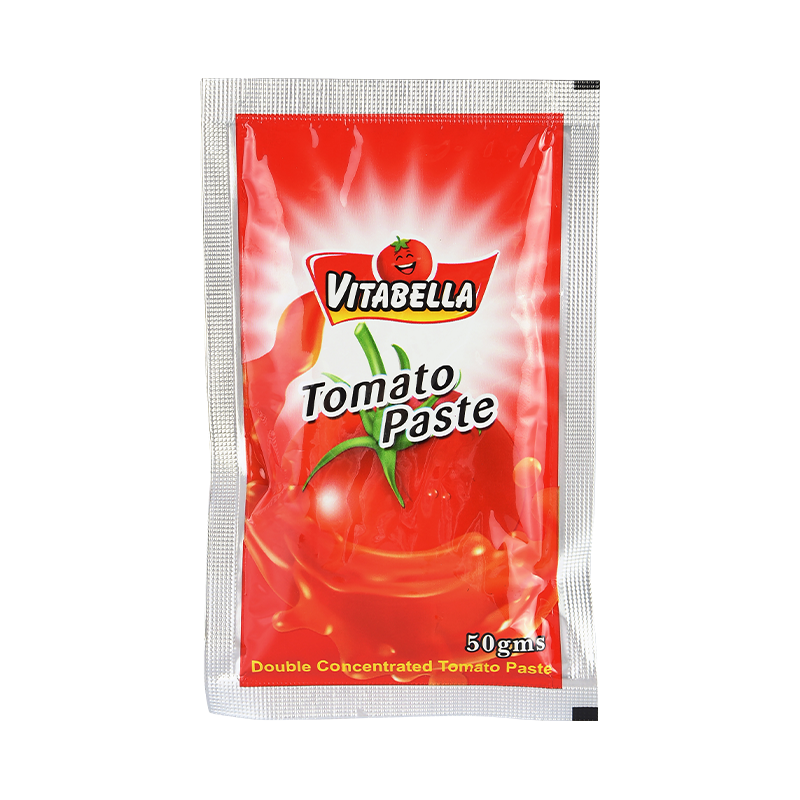 Double Concentrated Tomato PasteRich Flavor: Our double-concentrated tomato paste goes through two meticulous concentration processes, preserving the pure and savory essence of tomatoes. Each bite de...View Product →
Dishes Where the Swap Works, and Where It Does Not
Heat and liquid decide the outcome: the longer a dish cooks and the more seasoning it already carries, the more forgiving the swap becomes.
Good candidates
- Beef stew, chili, braises and ragu
- Pizza sauce and marinara base
- Meatloaf glaze and barbecue mop
- Curry, tagine and bean dishes
- Marinades for grilled meat
Poor candidates
- Dipping sauce for fries or nuggets
- Burger and sandwich spread
- Cold noodle or pasta salads
- Cocktail sauce and cold dressings
- Anything served raw and unseasoned
The pattern is straightforward. In a cooked dish, the missing sugar and vinegar can be added and the whole thing tastes integrated. In a cold dip, the flavour stays separated, and the paste's raw edge sits on top of the sweetness instead of blending into it.
If what you actually want is the condiment itself, buy the condiment. Ketchup in a squeezable bottle keeps the sweet-sour balance that no amount of doctoring fully reproduces on a plate of fries.
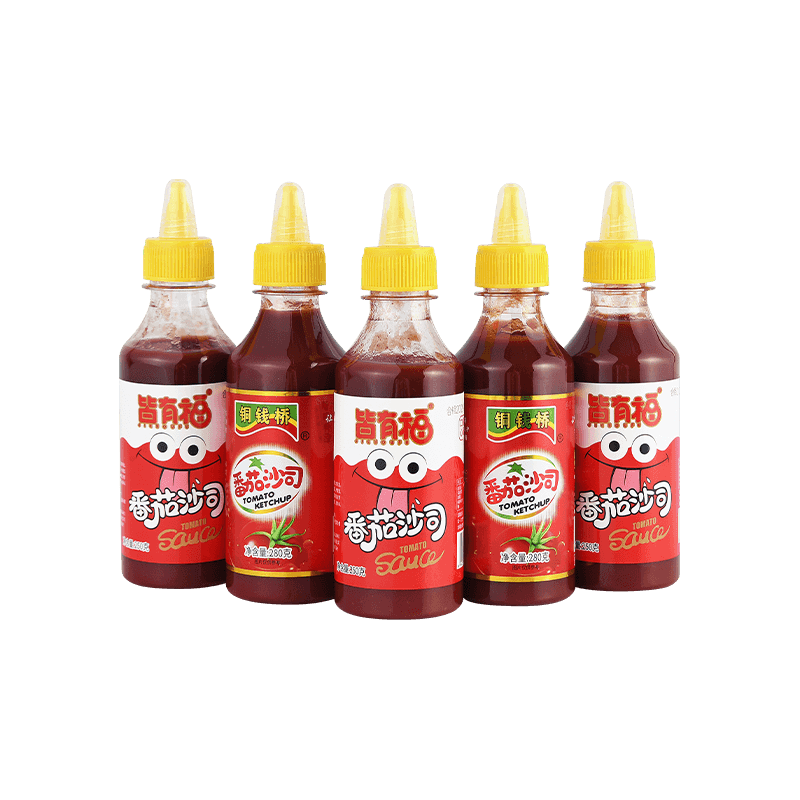 280g Clear Squeeze Bottle Tomato KetchupA food-grade clear squeeze bottle keeps the ketchup visible and ready for fries or burgers, matching the call to buy the condiment itself.View Product →
Six Mistakes That Ruin the Swap
Nearly every disappointing result traces back to one of these six habits, and each has a cheap fix.
- Using paste straight from a cold jar without loosening it, which leaves bitter clumps in the sauce.
- Forgetting sugar, the single largest reason the substitute tastes "sour and tinny".
- Adding salt out of habit, even though paste carries a fraction of ketchup's sodium.
- Skipping the vinegar, which strips out the tang people associate with ketchup.
- Not cooking the paste out; five to ten minutes in fat or liquid removes the raw, sharp note.
- Ignoring the liquid balance, so a sauce that should be pourable turns into a paste-heavy paste.
Choosing a Paste That Behaves in the Pan
Buy by concentration and packaging rather than habit, because a 28 to 30 °Brix paste diluted at home is a different ingredient from a ready-to-use ketchup-style sauce.
Concentration tells you how much water you must add back. Double concentrated paste is typically around 28 to 30 °Brix, roughly three to four times the solids of a single-strength tomato purée, so a little goes a long way and the ratio table above assumes this strength. Direct-filled and ready-to-use products are already closer to sauce consistency and need less dilution, but they also give you less control over sweetness and salt.
Match the format to how often you cook
Large tins suit batch cooking and food service, where the contents are used within a day or two of opening. For home kitchens, small tins, sachets and capped pouches reduce waste, because an opened tin of paste is a short-lived ingredient even under refrigeration. A capped sachet kept in the fridge door is the most practical format for the occasional spoonful, and a full range of canned tomato paste from 60 g to 4500 g covers both single meals and bulk production.
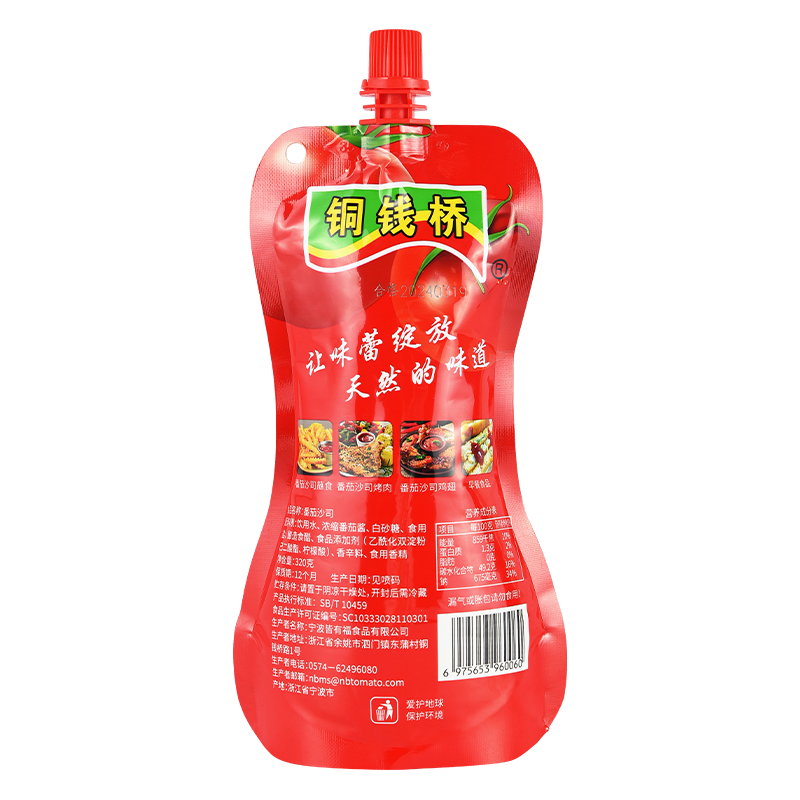 320g Capped Sachet Tomato PasteA capped 320g sachet suits occasional spoonfuls and reduces waste, with zero added sugar and no fat for everyday cooking.View Product →
One last buying point: paste and ketchup are different products with different jobs, and treating them as interchangeable at the shopping stage causes more problems than the swap itself. The technical breakdown of double concentrated paste versus ordinary ketchup is worth five minutes if you cook with both regularly.
Frequently Asked Questions
Can I use tomato paste instead of ketchup in a burger sauce?
Not convincingly. A burger sauce is eaten cold, so nothing mellows the paste's raw edge. You would need to rebuild it with water, sugar, vinegar and salt, and even then the result reads as seasoned tomato rather than ketchup.
Does the swap make a dish more acidic?
Usually less. Ketchup carries added vinegar; paste carries only natural tomato acids, so total sharpness drops unless you add vinegar back yourself.
How much paste replaces half a cup of ketchup?
About 5 tablespoons plus 1 teaspoon of double concentrated paste, loosened with 2 tablespoons plus 2 teaspoons of water, then 2 teaspoons of sugar and 2 teaspoons of vinegar, plus a pinch of salt.
Is tomato paste a healthier choice than ketchup?
It is lower in sugar and sodium and higher in fibre per spoonful, and it contains no added vinegar. That advantage shrinks as soon as you rebuild it with sugar and salt, so adjust to taste rather than pouring freely.
Can the swap work in a barbecue glaze?
Yes, this is the strongest use case. Glazes already contain sugar, vinegar and salt, so paste slots in as the tomato base and often gives a deeper colour and more savoury depth than ketchup does.
Treat tomato paste as a base ingredient rather than a finished condiment, and the substitution becomes reliable: dilute it, sweeten it, sharpen it with vinegar, and salt it last. Keep that sequence and the swap holds up in stews, glazes and sauces, while cold applications stay the one place where reaching for an actual bottle of ketchup is still the better decision.
Related Products
Be the First to Know
For exclusive discounts and the latest offers, please enter your address and information below.

Products
Contact Information
-
 No.1 Tongqianqiao Road, Dongpu Village, Simen Town, Yuyao, Zhejiang Province
-
 nbms@nbtomato.com
-
 +86 574 62496080,
62496078
+86 13736048746 Daphne Zhou
Copyright © Ningbo Junyoufu Food Co., Ltd. All Rights Reserved. Wholesale Tomato Paste Suppliers China Tomato Sauce Factory
浙ICP备2024135081号