
 EN
 English
 Français
 中文简体



Yes, you can use ketchup instead of tomato paste in many recipes, but it is not a neutral swap. Ketchup is a sweet-sour condiment made from tomato concentrate, sugar, vinegar, salt, and spices; tomato paste is concentrated cooked tomatoes with little else added. That difference matters because tomato paste usually supplies body, color, and deep tomato flavor, while ketchup supplies tang, sweetness, and seasoning.
Use ketchup as a practical emergency substitute in quick pan sauces, glazes, chili, sloppy joes, and similar sweet-savory dishes. Do not reach for it when tomato paste is the backbone of the recipe, such as pizza sauce, long-simmered ragu, or a curry base where added sugar and vinegar will distract. Start with a 1:1 volume swap, then correct sugar, salt, and acidity before serving.
Content
The Short Answer: Yes, With Three Adjustments
Ketchup can replace tomato paste in many quick recipes, but you must adjust for sweetness, salt, and acidity. The closest starting point is 1 tablespoon ketchup for 1 tablespoon tomato paste, though the finished dish will be looser and glossier.
- Reduce added sugar. Ketchup already carries several grams of sugar per tablespoon.
- Hold the salt until the end. Ketchup is seasoned, and early salting can push a dish too far.
- Expect a sharper finish. Vinegar in ketchup can be pleasant in barbecue-style dishes and distracting in delicate tomato sauces.
If ketchup is the only tomato product you have, measure it rather than pouring freely. A squeeze bottle is convenient for glazes and burgers, but the sugar and sodium add up quickly.
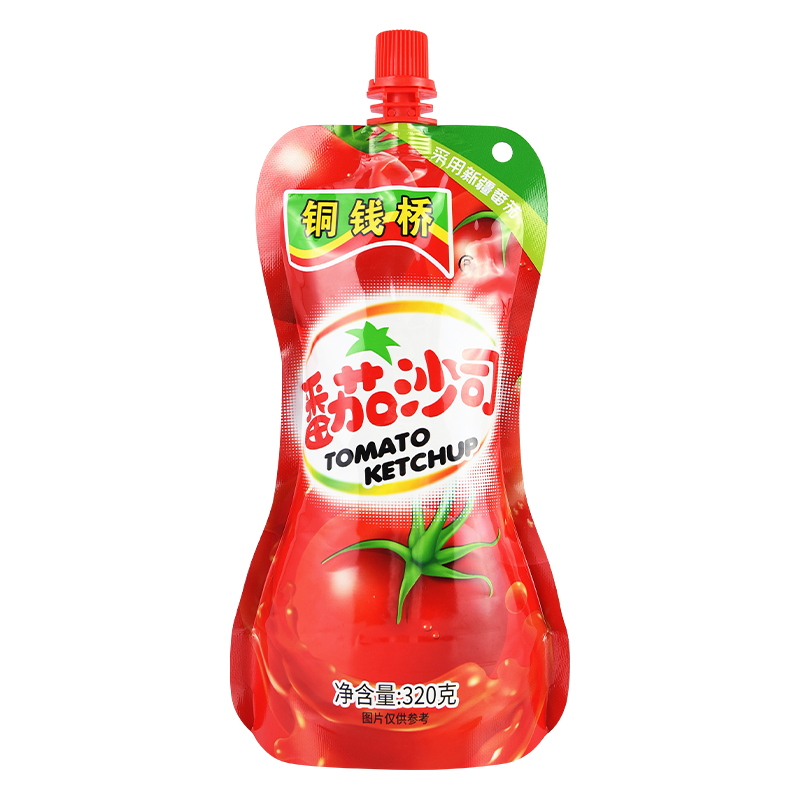
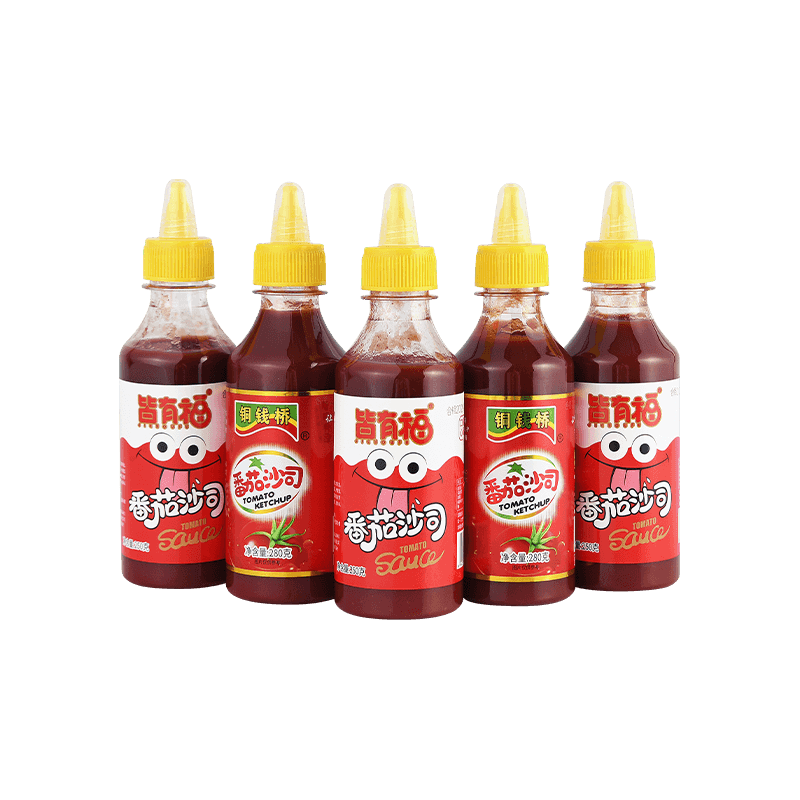 280g Squeeze Bottle Tomato KetchupA 280g food-grade plastic squeeze bottle ketchup for convenient dispensing; check its sugar and sodium when using as a glaze or burger sauce.View Product →
Ketchup vs. Tomato Paste: What Changes in the Pan
The biggest change is not tomato flavor but the balance of sugar, salt, acid, and water. That is why the same spoonful can improve a burger sauce and ruin a slow-cooked tomato base.
| Factor | Tomato paste | Ketchup | Practical effect |
|---|---|---|---|
| Tomato solids | High; double concentrated paste is often 28-30 Brix | Lower, with more water and sugar | Ketchup adds less body and color per spoon |
| Sugar | Low natural sweetness | Several grams per tablespoon | Sauces brown faster and taste sweeter |
| Sodium | Usually low | Noticeable | Salt the dish later, not earlier |
| Acidity | Mild tomato acidity | Vinegar adds sharpness | Can taste tangier than expected |
| Texture | Thick paste | Pourable gel | The finished sauce may need reduction |
That is why a spoon of ketchup can save a bland burger sauce but flatten a delicate tomato sauce. For a deeper explanation of the two products, see how tomato paste and ketchup differ.
How to Substitute Ketchup for Tomato Paste
Treat ketchup as a seasoned tomato shortcut, not as a concentrated paste, and make the swap in stages. This keeps the dish balanced instead of turning every flavor into sweet and tangy.
- Start 1:1 by volume. For 2 tablespoons of tomato paste, begin with 2 tablespoons of ketchup.
- Reduce added sugar. If the recipe calls for sugar, cut it or leave it out at first.
- Hold the salt. Taste after the ketchup has simmered, then add salt only if needed.
- Restore body if necessary. A little tomato puree, olive oil, or dried oregano can help a thin sauce taste fuller.
- Simmer uncovered. Ketchup is thinner than paste, and gentle reduction will thicken it without scorching.
For a quick pasta sauce, replace 2 tablespoons of tomato paste with 2 tablespoons of ketchup, omit 1 to 1.5 teaspoons of sugar, and salt at the end. If the sauce starts to taste like ketchup, add a spoonful of plain tomato puree or a pinch of dried oregano rather than more sugar.
When Ketchup Works Well, and When It Does Not
Ketchup is at its best in sweet-savory, quick-cooked dishes and at its worst in recipes where tomato paste provides structure. Use the cooking time and the existing sugar level as your guide.
| Dish type | Ketchup swap? | Why |
|---|---|---|
| Meatloaf glaze, burger sauce, barbecue sauce | Good | The sweet-tangy profile fits the dish |
| Chili, sloppy joes, baked beans | Good in small amounts | Sugar and vinegar are already welcome |
| Quick pan sauce for pork or chicken | Good if balanced | Adds gloss and tang, but needs tasting |
| Pizza sauce | Poor | Too sweet, spiced, and wet for high heat |
| Long-simmered ragu or braise | Poor | Sugar concentrates and can scorch |
| Indian curry base | Poor to fair | Spice notes can clash; use only as an emergency |
| Tomato soup | Fair | Can taste like ketchup unless balanced with stock |
A useful rule: if the recipe already contains sugar, vinegar, or ketchup-style spices, the swap is more likely to work. If the recipe is built on clean tomato flavor and long cooking, it is more likely to disappoint.
A Better Substitute for Tomato Paste
If you want tomato flavor without ketchup's sugar and vinegar, use concentrated tomato paste and dilute it to the strength you need. A double concentrated paste can be thinned with water or stock to mimic regular paste or tomato puree.
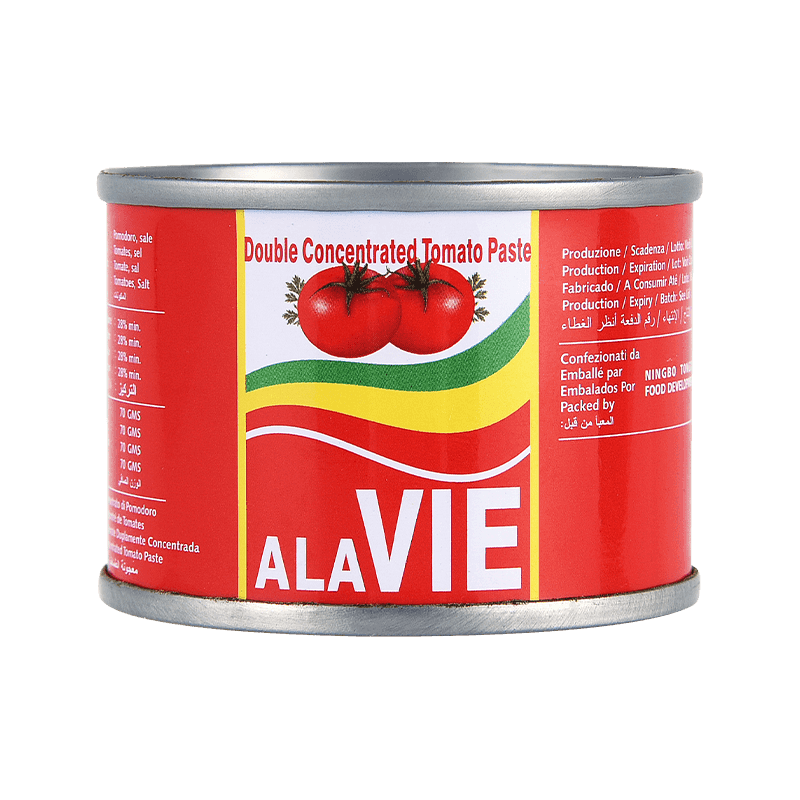
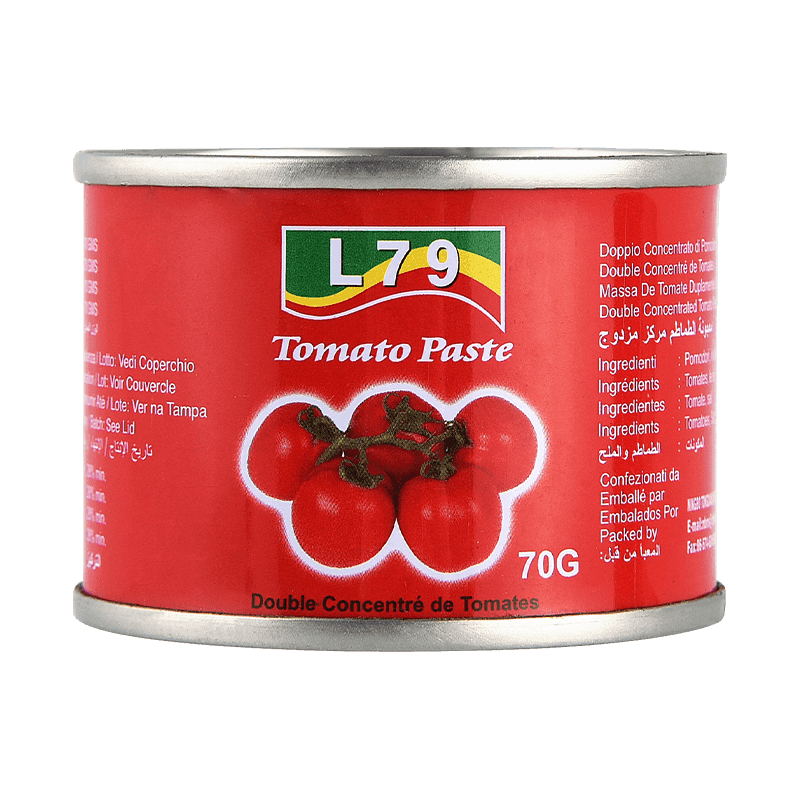
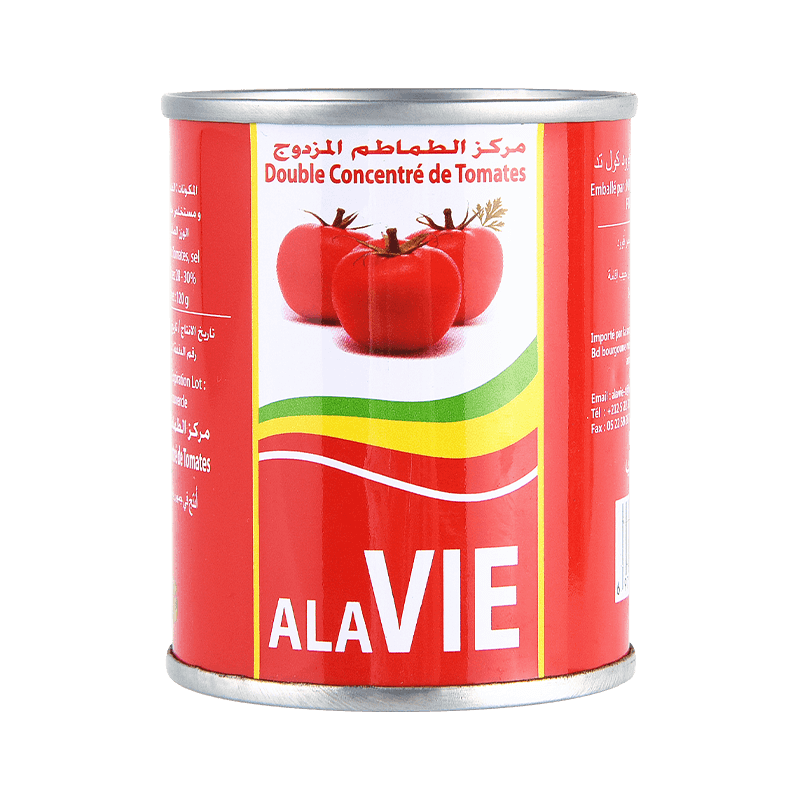
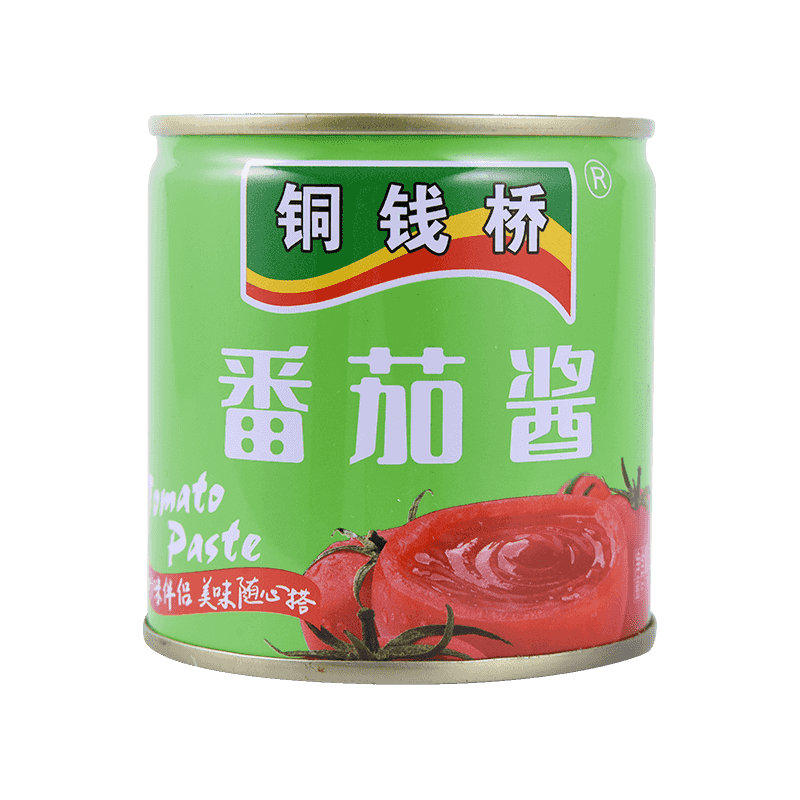
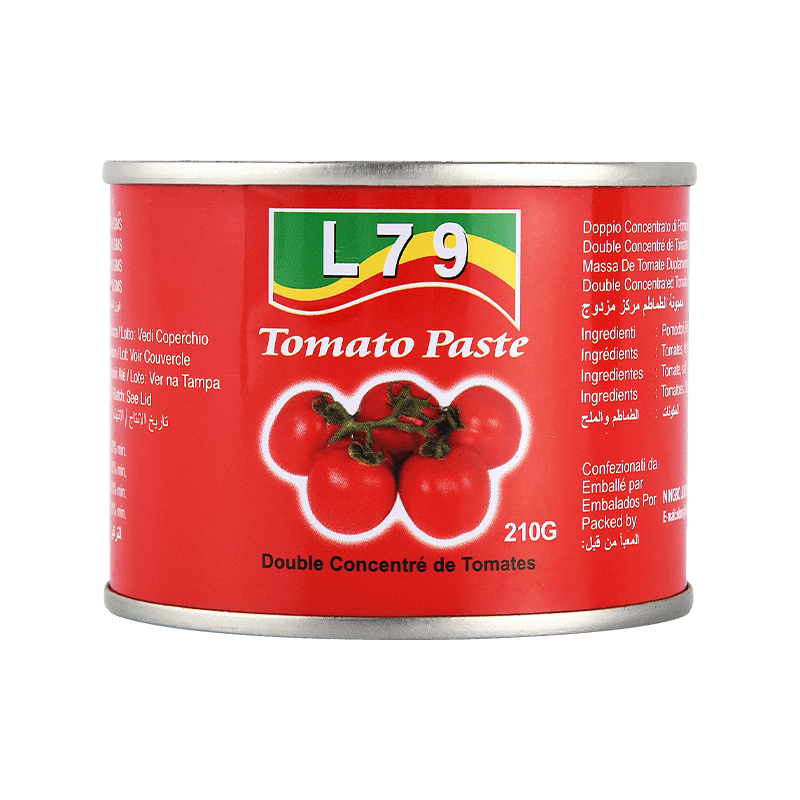
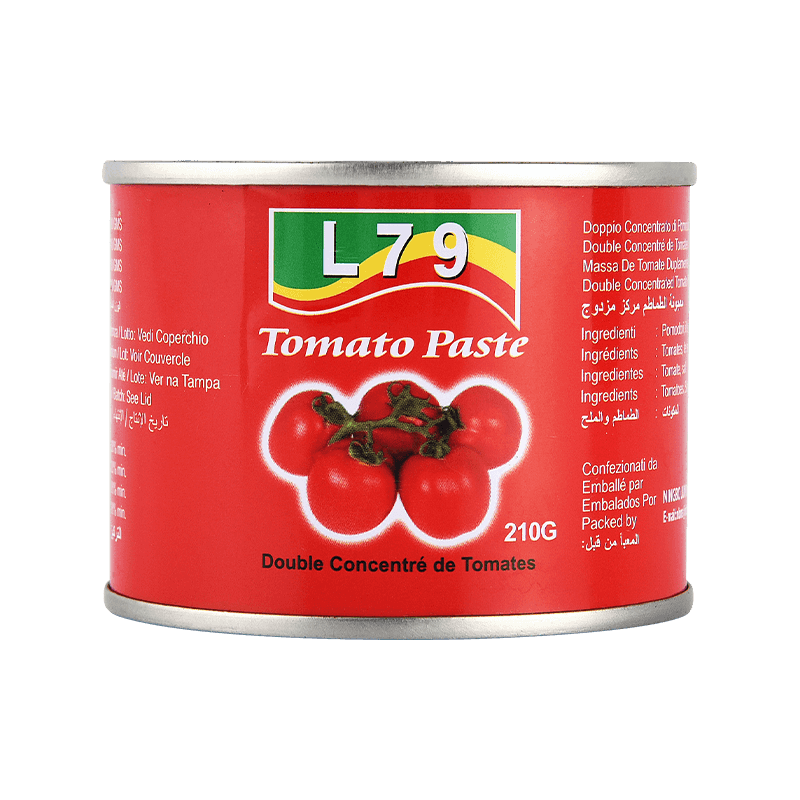
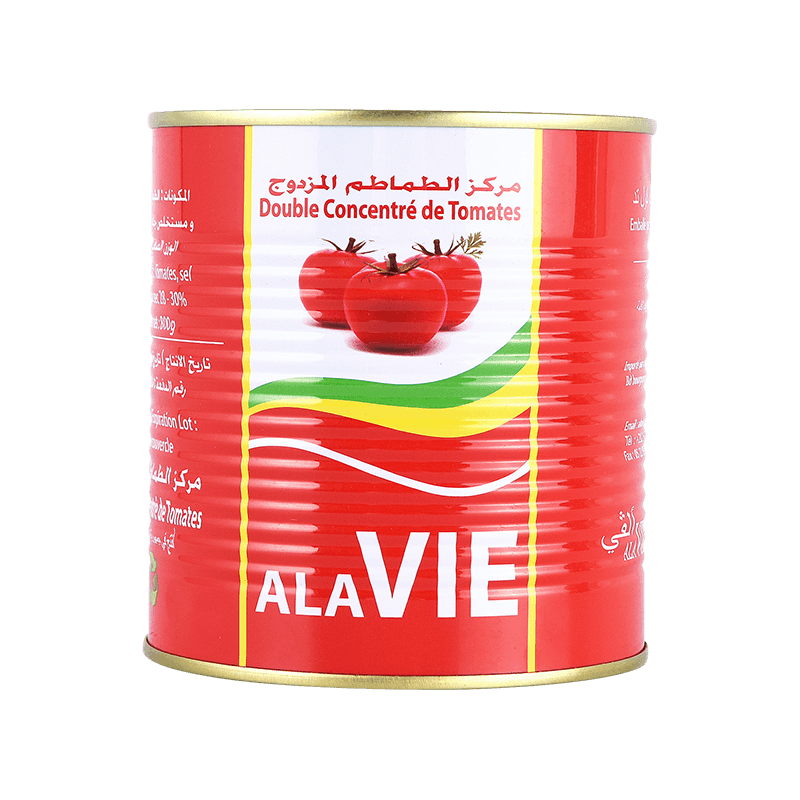
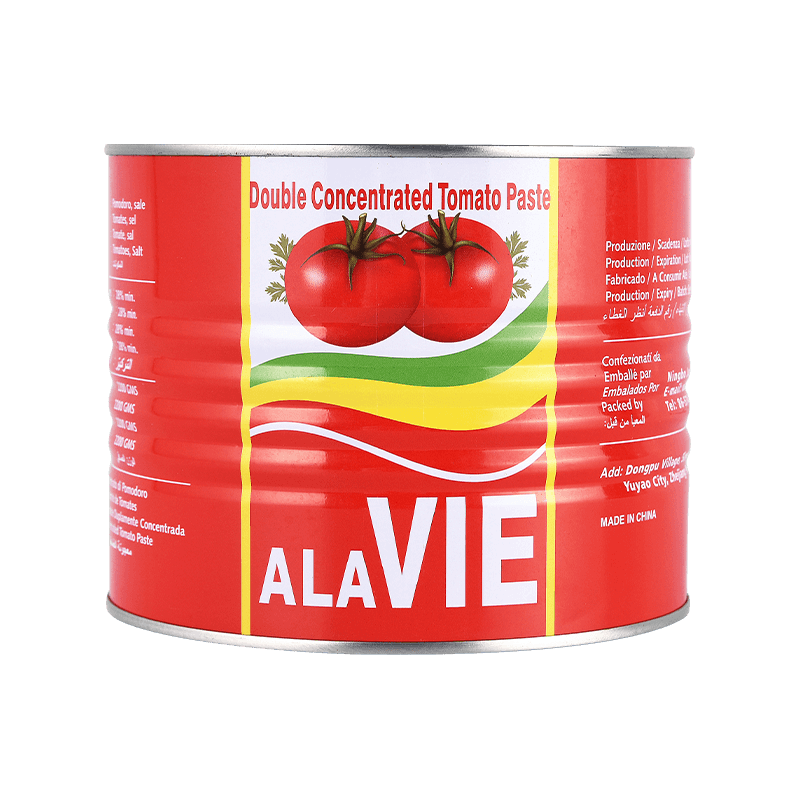
Double concentrated tomato paste is the pantry ingredient that does the job ketchup cannot: it adds color, body, and tomato depth without extra sugar. For a small household, a 320g sachet with a cap is easier to reseal than a large can; for batch cooking, a large can is more practical. The tomato paste product range covers both.
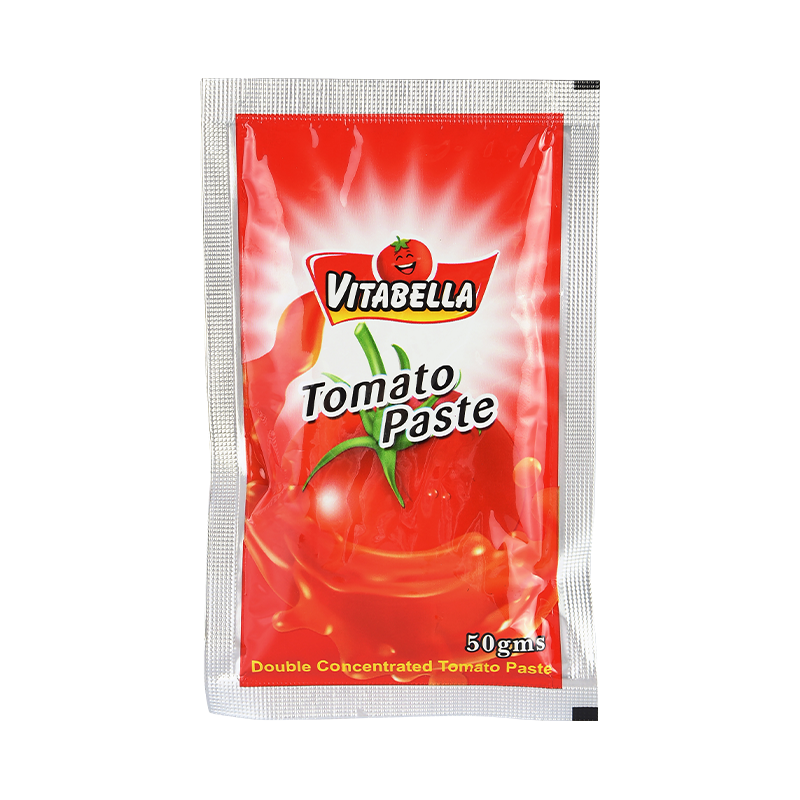 Double Concentrated Tomato Paste for CookingA richer tomato paste without extra sugar, suited to pizza, pasta, stews, and sauces; compare concentration and packaging for household or batch cooking.View Product →
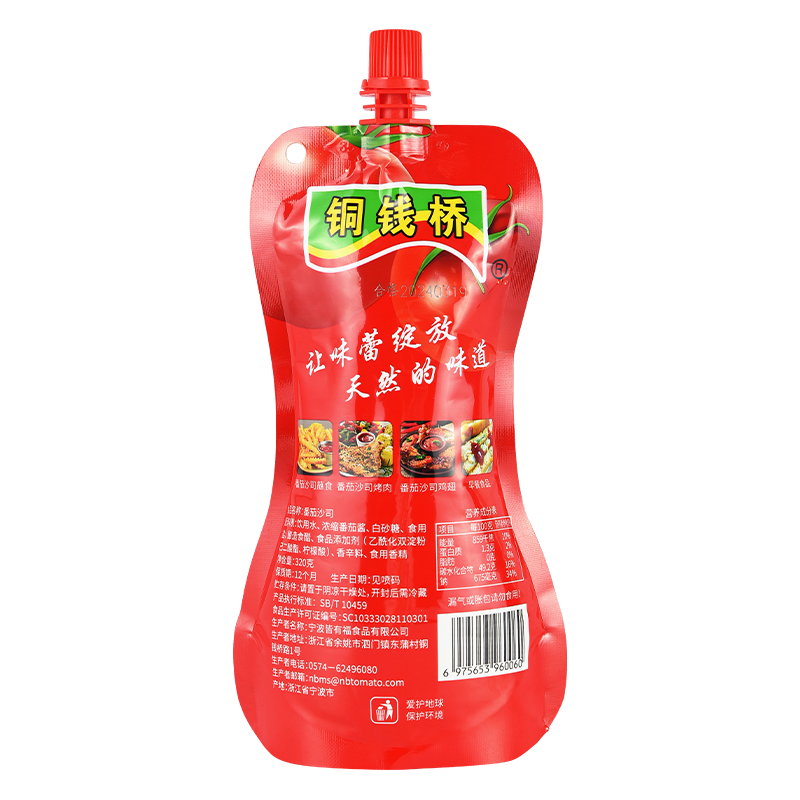 320g Sachet Tomato Paste with CapA resealable 320g sachet of zero-fat, no-added-sugar tomato paste, convenient for small households and single-use cooking; check customization and packing options.View Product →
Buying and Storage Notes for Better Swaps
Buy tomato paste by concentration and packaging, not by label claims, and store opened ketchup and paste differently. Those two habits prevent most emergency substitutions from becoming wasteful ones.
- Check for "double concentrated" or a Brix range when you want strong tomato flavor with less water.
- Choose cans for bulk cooking, sachets or tubes for small kitchens, and squeeze bottles for condiment use.
- Refrigerate opened tomato paste, smooth the surface, and use it within a few days or freeze it in tablespoon portions.
- Refrigerate ketchup after opening for the best color and flavor, even if the label allows pantry storage.
Frequently Asked Questions
These are the practical questions cooks ask most often when swapping ketchup for tomato paste.
Can I use ketchup instead of tomato paste in pizza sauce?
No, not if you want a neutral pizza sauce. Ketchup brings sugar, vinegar, and spice notes that taste wrong under cheese and high heat; the sauce may also darken too quickly. Use tomato paste, or reduce canned tomato puree until thick.
How much ketchup equals 1 tablespoon of tomato paste?
Use 1 tablespoon of ketchup for 1 tablespoon of tomato paste as a starting point. Then reduce added sugar by about 3/4 teaspoon per tablespoon of ketchup and wait to add salt, because ketchup is already seasoned.
Can I use ketchup in chili or stew?
Yes, in small amounts, because chili and stew already tolerate sweet, tangy flavors. Add it near the end, taste, and stop before the whole pot tastes like ketchup; long cooking concentrates its sugar.
Does ketchup work in tomato soup?
It can work as a quick fix, but the soup will taste like ketchup unless you balance it. Use no more than 1 tablespoon per bowl, add stock to dilute, and finish with cream or olive oil rather than more sugar.
What if I have no tomato paste or ketchup?
Simmer canned tomato puree or crushed tomatoes until thick, or reduce tomato sauce by half. These options take longer but give a cleaner tomato flavor than ketchup.
Bottom Line
Ketchup can rescue a recipe, but tomato paste is still the better default. Use ketchup in small amounts for sweet-savory dishes, adjust sugar and salt, and keep concentrated tomato paste on hand for sauces, braises, and pizza where tomato flavor should lead.
 No.1 Tongqianqiao Road, Dongpu Village, Simen Town, Yuyao, Zhejiang Province
 nbms@nbtomato.com

