
 EN
EN  English
 Français
 中文简体
中文简体


To cook spaghetti with tomato paste, you bloom the paste in olive oil for 2 minutes, build a quick sauce with garlic, water or broth, and seasoning, then toss with freshly boiled spaghetti and finish with pasta water to bind everything together. The entire process takes about 25 minutes and produces a deeply savory, restaurant-quality tomato sauce that far outperforms anything from a jar.
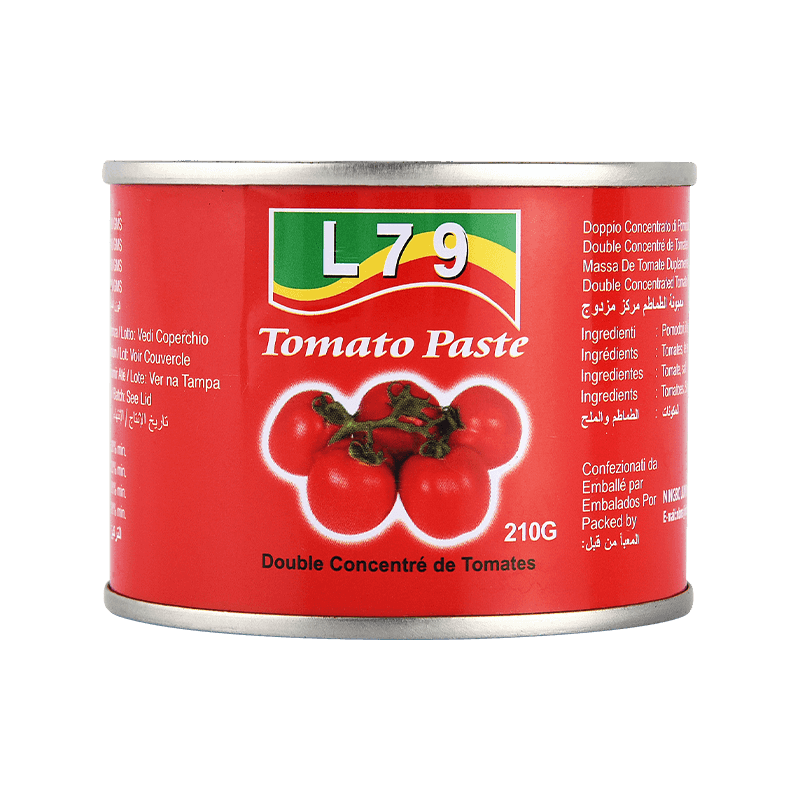
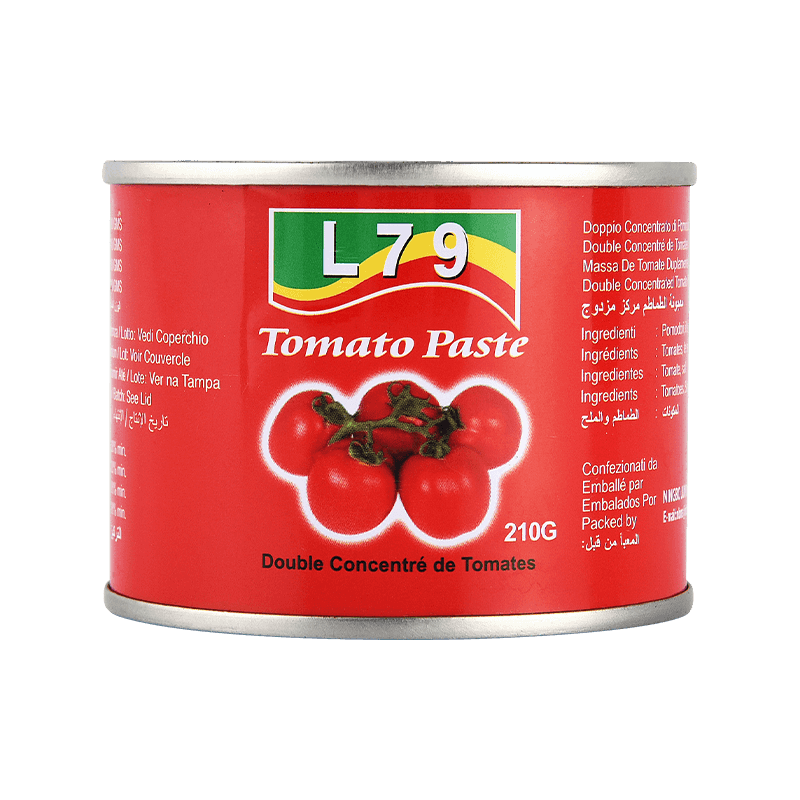
Tomato paste is one of the most underrated pantry staples in the kitchen. Concentrated, shelf-stable, and rich with umami, it forms the backbone of a fast and flavorful pasta sauce with minimal ingredients. This guide covers every step — from selecting the right paste to perfecting the sauce consistency and building flavor layers that make this dish unforgettable.
Content
- Why Tomato Paste Makes a Better Spaghetti Sauce
- Ingredients You Need
- Step-by-Step: How to Cook Spaghetti with Tomato Paste
- Complete Cooking Timeline at a Glance
- Tomato Paste vs. Other Tomato Products: Which Makes the Best Sauce?
- Pro Tips for the Best Tomato Paste Spaghetti
- Flavor Variations to Try
- Common Mistakes and How to Fix Them
- Frequently Asked Questions
- Q: How much tomato paste should I use per serving of spaghetti?
- Q: Can I use tomato paste instead of tomato sauce for spaghetti?
- Q: Why does my tomato paste sauce taste bitter?
- Q: How do I store leftover spaghetti with tomato paste sauce?
- Q: What is the difference between tomato paste and tomato puree?
- Q: Can I make this dish without oil — using butter instead?
- Final Thoughts
Why Tomato Paste Makes a Better Spaghetti Sauce
Tomato paste delivers a more concentrated, deeper tomato flavor than canned crushed tomatoes or fresh tomatoes, making it ideal for a quick, bold spaghetti sauce.
Standard canned tomatoes contain 94–95% water. Tomato paste, by contrast, is cooked down until it contains roughly 28–30% solids — meaning you get 3 to 4 times the tomato flavor per tablespoon compared to whole or diced canned tomatoes. That concentration translates directly into a richer, more complex sauce.
Tomato paste is also high in glutamates — the naturally occurring compounds responsible for umami. When you cook it in oil before adding liquid (a technique called "blooming"), these glutamates intensify further, creating a flavor foundation that takes 30 minutes of simmering with whole tomatoes to replicate.
For weeknight cooking, tomato paste is a practical powerhouse: a single 6-oz can costs well under a dollar, keeps in the fridge for weeks once opened, and can produce a complete sauce in under 20 minutes.
Ingredients You Need
You only need 8 core ingredients to make a genuinely delicious spaghetti with tomato paste — most of which are already in your pantry.
| Ingredient | Amount (2 servings) | Role in the Dish |
| Spaghetti | 200g (7 oz) | Base of the dish |
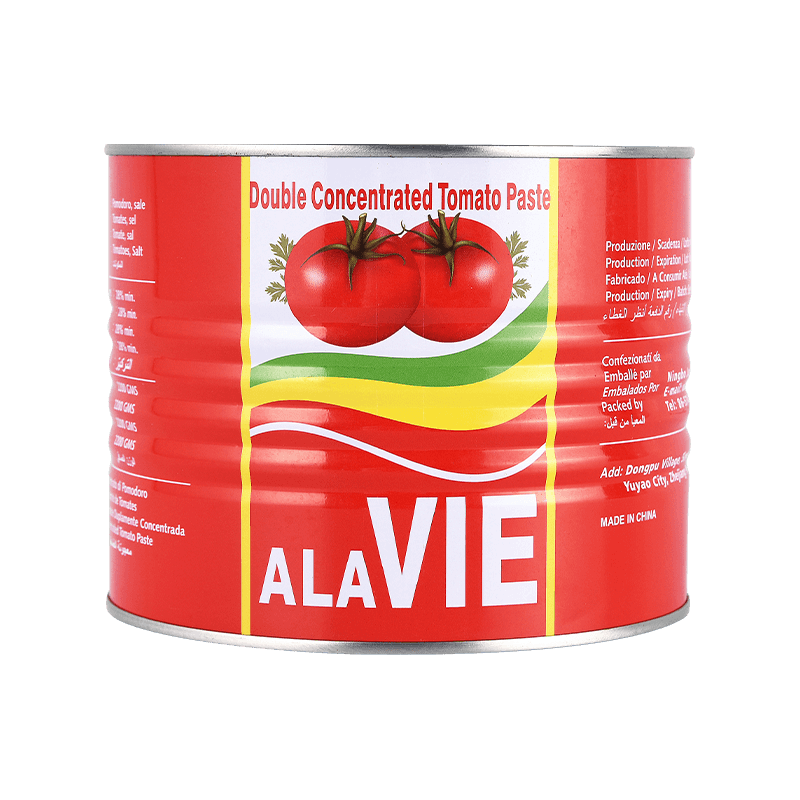
| Tomato paste | 3–4 tablespoons | Sauce base and flavor depth |
| Olive oil | 3 tablespoons | Blooming medium, richness |
| Garlic cloves | 3–4 cloves, minced | Aromatic foundation |
| Pasta water | 1/2 to 3/4 cup | Sauce emulsification and consistency |
| Salt | To taste + pasta water | Seasoning and balance |
| Black pepper | 1/2 teaspoon | Warmth and complexity |
| Sugar (optional) | 1/2 teaspoon | Balances acidity of the paste |
Table: Core ingredients for spaghetti with tomato paste — amounts for 2 servings.
Optional Add-Ins to Elevate the Sauce
- Red pepper flakes — adds gentle heat; use 1/4 to 1/2 teaspoon
- Dried oregano or basil — classic Italian herb notes; 1 teaspoon each
- Anchovy paste — dissolves into the oil and dramatically deepens umami without tasting fishy
- Parmesan rind — simmer in the sauce for added savory body
- Butter — 1 tablespoon stirred in at the end adds gloss and richness
- Capers or olives — briny contrast that balances the sweetness of the tomato paste
Step-by-Step: How to Cook Spaghetti with Tomato Paste
The key to a great tomato paste spaghetti is a two-stage process: bloom the paste first in oil, then build the sauce with pasta water before tossing with the cooked spaghetti.
Step 1: Boil the Pasta Water
Fill a large pot with at least 4 quarts (about 4 liters) of water and bring to a rolling boil. Once boiling, add 1 tablespoon of salt — the water should taste pleasantly salty, like mild seawater. This is the only opportunity to season the pasta itself.
Add the spaghetti and cook according to package directions, typically 8 to 10 minutes for al dente. Before draining, reserve at least 1 cup of pasta cooking water — this starchy liquid is essential for finishing the sauce.
Step 2: Bloom the Garlic in Olive Oil
While the pasta cooks, heat 3 tablespoons of olive oil in a wide skillet or saute pan over medium heat. Add the minced garlic and cook, stirring frequently, for 60 to 90 seconds until fragrant and just turning golden at the edges. Do not let it brown fully or it will turn bitter.
Step 3: Bloom the Tomato Paste
This is the most important step and what separates a flat sauce from a deeply flavored one. Add the tomato paste directly to the garlic oil and stir constantly, spreading it across the pan. Cook over medium to medium-high heat for 2 to 3 minutes, stirring throughout.
You will notice the paste darken from bright red to a deep brick-red or rust color. This is the Maillard reaction at work — the same browning reaction that deepens flavor in seared meat. The paste will smell rich, almost caramelized. This step converts the raw, slightly metallic taste of straight tomato paste into something complex and savory.
Step 4: Deglaze and Build the Sauce
Add 1/2 cup of the reserved pasta water to the pan and stir vigorously. The water will lift all the caramelized bits from the pan bottom and emulsify with the oil to form a glossy sauce. Season with salt, pepper, and optional red pepper flakes.
Reduce heat to medium-low and let the sauce simmer for 2 to 3 minutes to meld the flavors. The consistency should coat the back of a spoon. If too thick, add more pasta water; if too thin, simmer another minute.
Step 5: Toss the Spaghetti in the Sauce
Add the drained spaghetti directly to the pan with the sauce. Toss constantly using tongs over medium heat for 60 to 90 seconds, adding pasta water a splash at a time if needed. The goal is for each strand to be evenly coated — no puddle of sauce at the bottom, no dry clumps of pasta.
If using butter, stir in 1 tablespoon now and toss until it melts and the sauce becomes glossy and silky. Taste and adjust seasoning one final time.
Step 6: Plate and Serve Immediately
Serve immediately in warm bowls. Garnish with freshly grated Parmesan, a drizzle of extra-virgin olive oil, and fresh basil if available. Spaghetti with tomato paste sauce is best eaten right away — it loses its texture and glossy consistency as it sits.
Complete Cooking Timeline at a Glance
The entire dish from start to plate takes approximately 25 minutes, making it one of the fastest scratch-cooked pasta dishes you can make.
| Step | Action | Time |
| 1 | Bring water to a boil and cook spaghetti | 12–15 min |
| 2 | Saute garlic in olive oil | 1–2 min |
| 3 | Bloom tomato paste in oil | 2–3 min |
| 4 | Add pasta water, simmer sauce | 2–3 min |
| 5 | Toss pasta in sauce, finish | 1–2 min |
| Total | ~22–25 min |
Table: Step-by-step cooking timeline for spaghetti with tomato paste sauce.
Tomato Paste vs. Other Tomato Products: Which Makes the Best Sauce?
Tomato paste produces the most concentrated flavor in the least time, making it the top choice for a quick, rich spaghetti sauce — but each tomato product has its own strengths and ideal use case.
| Product | Flavor Intensity | Cook Time Needed | Best For |
| Tomato Paste | Very High | 5–10 min | Quick weeknight sauce, umami base |
| Canned Crushed Tomatoes | Medium | 20–30 min | Chunky, rustic sauces |
| Canned Whole Tomatoes | Medium-High | 25–40 min | Long-cooked classic marinara |
| Fresh Tomatoes | Low-Medium (season-dependent) | 30–45 min | Summer peak-season sauce |
| Tomato Sauce (canned) | Low-Medium | 10–15 min | Mild, thin sauces for lighter dishes |
| Sun-Dried Tomato Paste | Very High + Sweetness | 5–10 min | Bold, slightly sweet gourmet sauces |
Table: Comparison of different tomato products for making spaghetti sauce — flavor, timing, and ideal use cases.
Pro Tips for the Best Tomato Paste Spaghetti
Six professional techniques separate a good tomato paste spaghetti from a great one — and none of them require extra ingredients or time.
1. Always Bloom the Paste in Fat
Raw tomato paste straight into water produces a flat, slightly harsh sauce. Cooking it in oil for at least 2 full minutes before adding any liquid is non-negotiable for depth of flavor. The oil also carries fat-soluble flavor compounds that water cannot.
2. Use the Right Pasta-to-Water Ratio
Use at least 4 quarts of water per pound of pasta. Insufficient water lowers the boiling temperature when pasta is added, causing starchy clumping and uneven cooking. More water means more starchy pasta water for your sauce — a bonus.
3. Cook Pasta to Al Dente — Not Soft
Al dente pasta (firm to the bite with a slight resistance in the center) holds its texture when tossed in hot sauce. Overcooked pasta turns mushy when combined with the sauce and loses its ability to carry flavor. Taste the spaghetti 2 minutes before the package's recommended time.
4. Never Rinse the Pasta
Rinsing removes the surface starch that helps sauce cling to each strand. Drain the pasta directly into the sauce pan or use tongs to transfer it without rinsing. The residual starch is an asset, not a flaw.
5. Finish on the Heat Together
Tossing the pasta and sauce together over medium heat for 60–90 seconds creates an emulsified, cohesive dish rather than spaghetti sitting in a pool of separate sauce. The starch in the pasta water binds the fat and liquid into a unified coating — this is the technique Italian restaurants call "mantecare."
6. Add a Pinch of Sugar Only If Needed
Some tomato paste brands are more acidic than others. If the sauce tastes sharp or harsh after seasoning, add 1/4 to 1/2 teaspoon of sugar to balance the acidity. Taste first — many good-quality pastes need no sugar at all.
Flavor Variations to Try
The tomato paste spaghetti base is endlessly adaptable — five popular variations transform the same foundation into completely different dishes.
| Variation | What to Add | Flavor Profile |
| Arrabbiata | 1 tsp red pepper flakes | Spicy, bold |
| Puttanesca-Style | Capers, olives, anchovy paste | Briny, savory, complex |
| Creamy Tomato | 3 tbsp heavy cream at finish | Rich, silky, mild |
| Meat Sauce | Brown ground meat before paste step | Hearty, protein-rich |
| Herb-Forward | Fresh basil, thyme, rosemary | Bright, aromatic, garden-fresh |
Table: Five flavor variations built on the same tomato paste spaghetti base.
Common Mistakes and How to Fix Them
Most failed tomato paste spaghetti dishes trace back to four core mistakes — all of which are easy to correct once you know what to look for.
- Sauce tastes flat or metallic: You did not bloom the paste long enough. Return to the pan, add a splash of oil, and cook the paste for another 1–2 minutes over medium-high heat.
- Sauce is too thick or gluey: Add reserved pasta water in 2-tablespoon increments, tossing constantly over heat until the sauce loosens to your desired consistency.
- Sauce is too thin and watery: Simmer uncovered over medium heat for 2–3 additional minutes, stirring frequently, until it reduces to a coating consistency.
- Pasta and sauce are not mixing: The pasta may be overcooked (too soft to absorb sauce) or you added it cold. Always transfer hot pasta directly and toss over live heat.
- Garlic tastes burnt and bitter: Start over with the garlic step using fresh garlic and lower heat. Burnt garlic cannot be rescued and will make the entire sauce taste acrid.
- Sauce tastes too acidic: Add a small pinch of sugar, a pat of butter, or a splash of cream to balance the sharpness of the tomato paste.
Frequently Asked Questions
Q: How much tomato paste should I use per serving of spaghetti?
Use approximately 1.5 to 2 tablespoons of tomato paste per serving (100g/3.5 oz of dry pasta). For 2 servings, 3–4 tablespoons is ideal. Using too little produces a thin, pale sauce; too much can make it overly intense and thick. You can always add more pasta water to balance a heavy hand with the paste.
Q: Can I use tomato paste instead of tomato sauce for spaghetti?
Yes — tomato paste is actually superior to tomato sauce for building a quick, flavorful spaghetti sauce, provided you dilute it correctly with pasta water or broth. Tomato sauce is pre-diluted and seasoned; paste gives you full control over concentration and flavor. Substitute 1 part tomato paste plus 2 parts water for every 3 parts tomato sauce called for in any recipe.
Q: Why does my tomato paste sauce taste bitter?
Bitterness usually comes from burned garlic or from cooking the tomato paste over excessively high heat for too long. Garlic should only be golden — not brown. Tomato paste should darken but not char. A small pinch of sugar or a pat of butter can reduce perceived bitterness. If the garlic is visibly burnt, discard and start the oil-garlic step again.
Q: How do I store leftover spaghetti with tomato paste sauce?
Store leftover pasta in an airtight container in the refrigerator for up to 3 days. To reheat, add a splash of water to a pan over medium heat, add the pasta, and toss until warmed through. Microwave reheating works but dries out the sauce; the stovetop method restores better texture and consistency. The sauce (if separate) keeps for up to 5 days refrigerated.
Q: What is the difference between tomato paste and tomato puree?
Tomato paste is cooked down to roughly 28–30% solids; tomato puree typically contains around 10–12% solids and is much thinner and milder. For a quick, bold spaghetti sauce, tomato paste is significantly more effective. If substituting puree, use double the amount and cook longer to reduce and concentrate the flavor. Do not expect the same depth of flavor from puree alone.
Q: Can I make this dish without oil — using butter instead?
Yes — butter works beautifully as a substitute for olive oil and produces a richer, silkier sauce. Use the same amount (3 tablespoons) and be careful to keep the heat at medium or medium-low, as butter burns at a lower temperature than olive oil. A combination of both — 2 tablespoons olive oil for blooming, 1 tablespoon butter stirred in at the end — gives the best of both worlds.
Final Thoughts
Knowing how to cook spaghetti with tomato paste is one of the most practical cooking skills you can develop. In roughly 25 minutes, with fewer than 10 ingredients that cost almost nothing, you can produce a pasta dish with genuine depth, richness, and restaurant-quality flavor.
The single most important technique is blooming the tomato paste in oil — that 2 to 3 minutes of high-heat cooking transforms a pantry staple into the foundation of something truly delicious. Combined with properly salted pasta water, al dente spaghetti, and a final toss over heat, this method elevates a humble ingredient into a dish worth repeating every week.
Start with the base recipe, master the technique, then experiment with the variations. Once you understand what tomato paste can do, you will find yourself reaching for it far more often — not as a background ingredient, but as the star.
 No.1 Tongqianqiao Road, Dongpu Village, Simen Town, Yuyao, Zhejiang Province
  nbms@nbtomato.com
